
Current Affairs
Stay updated with the latest national and international events.
08 January 2026
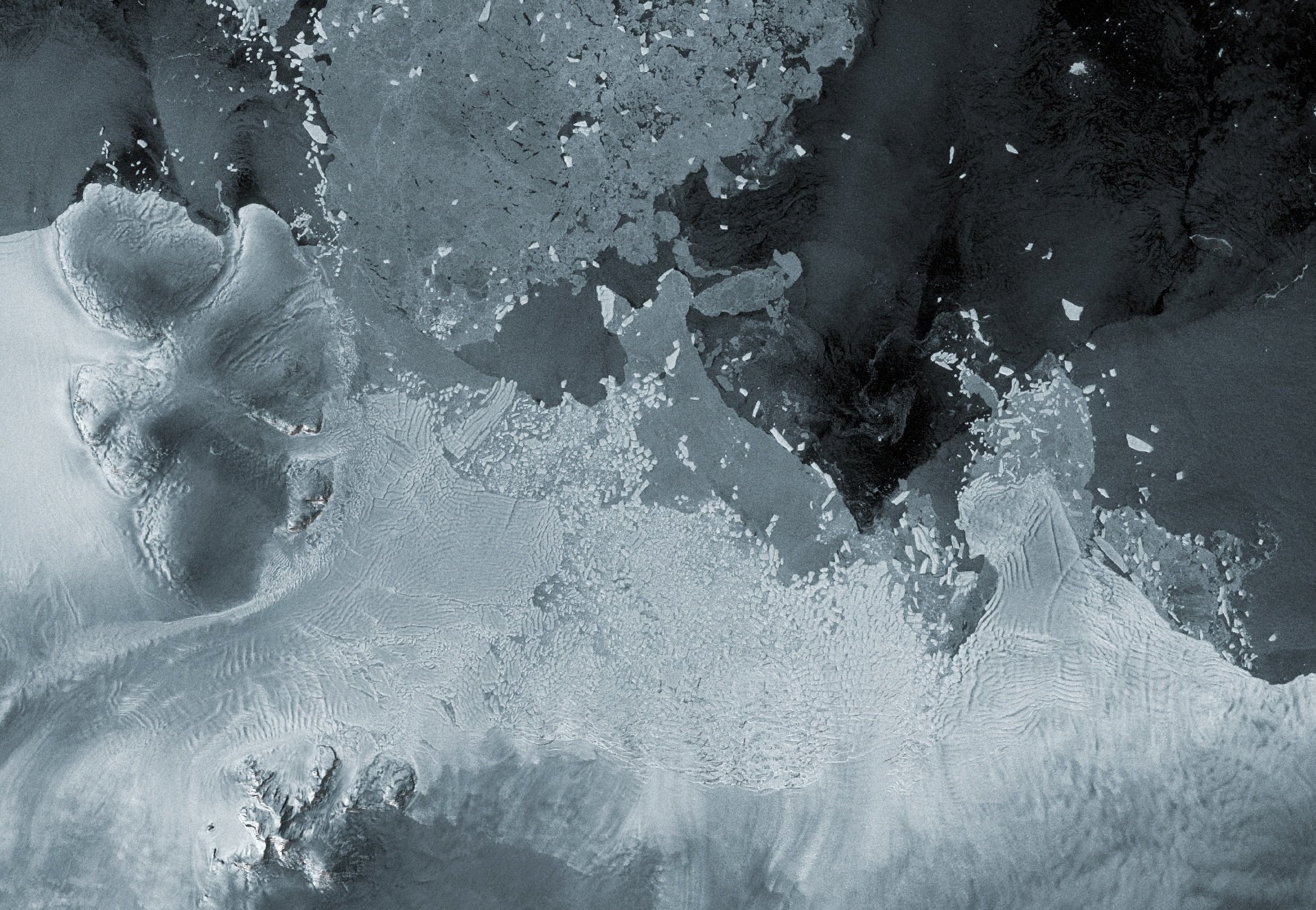
Destabilization of Thwaites Glacier: The "Doomsday Glacier"
What’s the News?
- Recent scientific studies and satellite observations have revealed that Antarctica's Thwaites Glacier, commonly known as the "Doomsday Glacier," is experiencing rapid destabilization and frequent "iceberg earthquakes."
- Researchers have detected hundreds of seismic events caused by the fracturing and movement of massive ice blocks, indicating that the glacier is thinning and retreating at an accelerating pace.
- The collapse of this glacier is a major concern for global climate security, as it acts as a "cork" holding back the vast West Antarctic Ice Sheet.
Understanding the "Doomsday Glacier"
- Location: Situated in West Antarctica, it is one of the widest glaciers in the world, spanning roughly 120 kilometers.
- Why "Doomsday"?: If Thwaites were to melt completely, it could raise global sea levels by approximately 65 centimeters (2 feet).
- The Domino Effect: Its collapse could further destabilize neighboring glaciers, potentially leading to an eventual sea-level rise of up to 3 meters, threatening coastal cities worldwide.
- Iceberg Earthquakes: Unlike tectonic earthquakes, these are seismic signals generated by the "calving" (breaking off) of ice and the scraping of the glacier against the seabed as it loses its grip.

Image Credit: Time.com
Key Scientific Findings
- Fracture dynamics: A four-stage structural decline identified in TEIS, featuring:
- Growth of long fractures aligned with ice flow, followed by cross-cutting short fractures.
- A positive feedback loop: fractures → faster ice flow → more fractures.
- Glacial earthquakes:
- 245 out of 362 detected events clustered near Thwaites’ marine terminus.
- Linked to iceberg capsize events, not seasonal air warming but possibly ocean-driven ice-tongue acceleration (notably during 2018–2020).
- Pinning point shift: Once a stabilising feature, it now contributes to shelf instability due to weakened shear zones.
Additional Info
- West Antarctic Ice Sheet (WAIS):
- A massive ice mass that sits on a basin below sea level.
- It is considered a "tipping point" in the global climate system because its melting is largely irreversible once a certain threshold is crossed.
- International Thwaites Glacier Collaboration (ITGC):
- A multi-year, multi-million dollar joint mission by the UK (British Antarctic Survey) and the USA (National Science Foundation).
- It is the largest scientific field program ever undertaken in Antarctica to understand how quickly the glacier is melting.
- Global Impacts:
- Sea Level Rise: Accelerated melting threatens low-lying island nations (e.g., Maldives, Kiribati) and Indian coastal hubs like Mumbai and Chennai.
- Albedo Effect: Loss of white ice surfaces reduces the Earth's ability to reflect sunlight, leading to further atmospheric warming.
- Scientific Tools Used:
- Icefin: An underwater robot used to swim under the ice shelf to measure temperature and salt levels.
- Seismometers: Instruments placed on the ice to record the "thumping" sounds of icequakes.
Sources
Government Notifies Timeline for Phase I of Census 2027

What’s the News?
- The Ministry of Home Affairs (MHA) has officially notified the schedule for the first phase of the Census of India 2027, which was delayed from 2021 due to the COVID-19 pandemic.
- The first phase, known as the Houselisting and Housing Census, will be conducted across all States and Union Territories between April 1 and September 30, 2026.
- This exercise marks the 16th Census of India and the 8th since Independence, notable for being the country's first-ever fully digital census.
Houselisting and Housing Census (Phase I)
- Timeline: While the national window is six months, each State and UT will specify a continuous 30-day period for field operations within this timeframe.
- Objective: This phase focuses on systematically identifying and listing all structures, houses, and households to create a framework for the subsequent population count.
- Data Collection: Enumerators will collect information on housing conditions, household assets, and basic amenities such as:
- Type of house and construction materials.
- Access to drinking water, electricity, and cooking fuel.
- Ownership of assets like television, internet, and vehicles.
- Self-Enumeration: A new feature allows citizens to submit their details digitally via a web portal or mobile app during a 15-day window preceding the house-to-house visits.
Digital Infrastructure and Implementation
- Digital Tools: For the first time, data will be collected using mobile applications (available on Android and iOS) instead of paper forms, featuring real-time uploading and GPS-tagging.
- Monitoring: A dedicated Census Management & Monitoring System (CMMS) portal has been developed to track progress and ensure data quality at the block, district, and state levels.
- Workforce: Approximately 30 lakh field functionaries, primarily government teachers, will be deployed as enumerators and supervisors.
- Budget: The Union Cabinet has approved an outlay of ₹11,718.24 crore for the entire Census 2027 operation.
Additional Info
- Legal and Constitutional Framework:
- Union Subject: Conducted under Entry 69 of the Union List in the Seventh Schedule of the Constitution.
- Statutory Basis: Governed by the Census Act, 1948 and the Census Rules, 1990.
- Confidentiality: Under the Census Act, individual data is strictly confidential and cannot even be accessed by courts.
- Phase II (Population Enumeration):
- Scheduled for February 2027, with the reference date set as 00:00 hours on March 1, 2027.
- Exception: In snow-bound and remote areas (Ladakh, parts of J&K, Himachal Pradesh, and Uttarakhand), population enumeration will occur in September 2026.
- Caste Enumeration:
- The 2027 Census will include caste data for the first time in post-independence India (previously only SC/ST data was recorded).
- This decision was approved by the Cabinet Committee on Political Affairs on April 30, 2025.
- Political and Policy Significance:
- Delimitation: Census 2027 data will serve as the basis for redrawing Lok Sabha and Assembly constituencies under Article 82 of the Constitution.
- Women's Reservation: The implementation of the 106th Constitutional Amendment Act (33% reservation for women) is legally tied to the completion of the first census conducted after 2026.
Sources
India Becomes First Nation to Commercially Produce Bio-Bitumen

What’s the News?
- India has officially become the first country in the world to start the commercial production of bio-bitumen, a sustainable alternative to fossil-fuel-based bitumen.
- The production facility, located at the Panipat Refinery and Petrochemical Complex in Haryana, was developed through collaboration between the Indian Oil Corporation Limited (IOCL) and the Central Road Research Institute (CRRI).
- This breakthrough is a significant step toward achieving India's Net Zero 2070 goals and addresses the dual challenges of stubble burning and import dependency on petroleum products.
What is Bio-Bitumen?
- Composition: Bio-bitumen is a binder made from non-food biomass (like rice straw or wheat straw) rather than crude oil.
- Production Process: It is produced through a specialized thermal process (pyrolysis) where agricultural waste is converted into a bio-oil, which is then refined into bio-bitumen.
- Performance: Tests have shown that roads built with bio-bitumen are more resilient to extreme temperatures and offer better water resistance compared to traditional bitumen.
Benefits & Impact
- Environmental gains:
- Reduces stubble burning, a major source of winter air pollution in North India.
- Lowers carbon footprint of road infrastructure by cutting fossil fuel use.
- Economic advantages:
- Potential to save ₹4,500 crore annually in foreign exchange with 15% blending.
- Could offset ₹25,000–30,000 crore worth of imported bitumen per year at scale.
- Rural development:
- Creates new income streams for farmers by monetising agricultural waste.
- Supports circular economy and green job creation in rural areas.
Additional Info
- Traditional Bitumen (Asphalt):
- A sticky, black, and highly viscous liquid or semi-solid form of petroleum.
- Primarily used in road construction as a glue or binder mixed with aggregate particles.
- National Policy on Biofuels:
- The project aligns with the 2018 policy (amended in 2022) which promotes the use of indigenous feedstock for energy and material production.
- Role of CSIR-CRRI:
- The Central Road Research Institute (CRRI), under the Council of Scientific and Industrial Research (CSIR), is responsible for setting the technical standards and performing durability tests for the new bio-bitumen roads.
- Future Targets:
- The government aims to blend 5% to 10% bio-bitumen with traditional bitumen in all national highway projects by 2030.
Sources
India Launches New EB-4 E-Business Visa for Chinese Professionals

What’s the News?
- The Government of India has introduced a new sub-category of the e-business visa, known as the EB-4 visa, specifically for Chinese nationals.
- The initiative aims to streamline the entry of skilled Chinese professionals and technicians required for the implementation of projects under the Production Linked Incentive (PLI) schemes.
Features of the e-B-4 Visa
- Purpose: Permits travel for:
- Installation and commissioning of machinery/equipment
- Quality control and essential maintenance
- Production ramp-up, IT/ERP system implementation
- Training, plant design, and supply chain development
- Senior management and executive oversight
- Duration & Processing:
- Valid for up to six months per visit
- Processing time: 45–50 days
- Application Process:
- Fully online via Indian e-Visa portal
- Indian companies can also apply on behalf of Chinese professionals through the National Single Window System (NSWS) under DPIIT
Additional Info
- Production Linked Incentive (PLI) Scheme:
- A central government initiative to boost domestic manufacturing and reduce imports.
- Provides financial incentives to companies based on incremental sales from products manufactured in domestic units.
- Many Indian manufacturers under PLI rely on Chinese-made machinery, necessitating the presence of Chinese technicians for setup and repairs.
- Diplomatic Context:
- Visa restrictions for Chinese nationals were tightened following the Galwan Valley border standoff in 2020.
- The introduction of the EB-4 visa reflects an "economic pragmatism" to ensure that India's manufacturing growth is not hampered by a lack of technical support.
- Security Safeguards:
- Unlike e-visas for other countries, EB-4 applications undergo a prior reference check.
- The Ministry of External Affairs (MEA) and MHA collaborate to verify the credentials of the applicant and the host Indian entity.
Sources
Rare Kushan Coins and Artifacts Unearthed at Taxila’s Bhir Mound

What’s the News?
- Archaeologists in Pakistan have unearthed a hoard of rare Kushan Empire coins and decorative artifacts at the Bhir Mound site near Taxila, a UNESCO World Heritage site.
- The discovery includes copper coins dating back approximately 2,000 years to the era of King Vasudeva I, the last great ruler of the Kushan dynasty.
Key Findings at Bhir Mound
- The Coin Hoard:
- Several copper coins were found, primarily attributed to the reign of King Vasudeva I (reigned approx. 191–232 CE).
- The coins typically feature the King on the obverse and deities like Shiva or Oesho on the reverse, reflecting the religious syncretism of the era.
- Precious Stones and Artifacts:
- Alongside the coins, archaeologists discovered Lapis Lazuli, a deep-blue metamorphic rock highly prized in antiquity.
- Other finds include decorative stones, terracotta objects, and beads, indicating the site’s historical role as a hub for craftsmanship.
- Archaeological Context:
- The artifacts were found during excavation work aimed at preserving and studying the oldest part of the Taxila archaeological complex.
Historical Significance of the Site
- Bhir Mound: It is the oldest of the four main settlements at Taxila, with layers dating back to the 6th century BCE (Achaemenid period).
- Kushan Empire Connection: Taxila was a critical city for the Kushans, serving as a gateway between Central Asia and the Indian subcontinent.
- Trade and Culture: The presence of Lapis Lazuli suggests active trade links with regions like modern-day Afghanistan, where the stone was traditionally mined.
Additional Info
- The Kushan Empire:
- Founded by Kujula Kadphises, the empire reached its zenith under Kanishka the Great.
- It was instrumental in the spread of Mahayana Buddhism and the development of Gandhara Art.
- King Vasudeva I:
- He was the last of the "Great Kushans." His coins often depict him making an offering at an altar, showcasing his patronage of Hindu and Buddhist traditions.
- Taxila (Takshashila):
- Located in the Rawalpindi District of Punjab, Pakistan.
- Famed as an ancient "university" where scholars like Chanakya (author of Arthashastra) and Panini (Sanskrit grammarian) are said to have taught.
- Designated a UNESCO World Heritage Site in 1980.
- Gandhara Civilization:
- A historical region centered in the Peshawar Valley and extending to Taxila.
- Known for a unique blend of Greek, Persian, and Indian cultural influences (Graeco-Buddhism).
Sources
DRDO Develops Portable Water Purification System for Soldiers

What’s the News?
- The Defence Research and Development Organisation (DRDO) has developed a hand-operated, portable water purification system designed for soldiers deployed in remote and high-altitude areas.
- This innovative system aims to provide clean drinking water by treating contaminated surface water or brackish water in the field, reducing the logistical burden of transporting bottled water to difficult terrains.
- The technology was developed by the Defence Laboratory, Jodhpur (DLJ), a premier lab under DRDO specializing in water purification and desalination technologies.
Features of SWaDeS
- Dual-mode operation:
- Manual version: Lightweight, single-soldier portable; serves 10–12 personnel in emergency patrols.
- Engine-driven version: Rapid deployment (2–3 minutes); supports 20–25 soldiers daily.
- Technical performance:
- Treats water with salinity up to 35,000 mg/L total dissolved solids (TDS).
- Reduces TDS to <500 mg/L, meeting Bureau of Indian Standards (BIS) for potable water.
- Operational flexibility:
- Effective in seawater (naval/coastal) and inland brackish water (e.g., Pangong Tso).
- Functions in extreme climates—from sub-zero Siachen-like conditions to tropical coasts.
Additional Info
- Part of DRDO’s broader water security portfolio:
- CBRN Water Purification System Mk-II: Treats chemically/biologically contaminated water (2,500–6,000 L/hr).
- Backpack purifiers: Produce 12–15 L/hr; include antifreeze for sub-zero operations.
- High-altitude RO units: Over 100 deployed in Ladakh since 2022 for glacial water purification.
- Civilian potential: Applicable in disaster-hit coastal zones, island territories (e.g., Andamans), and water-stressed regions.
Sources
January 2026
31 January 202630 January 202629 January 202628 January 202627 January 202626 January 202624 January 202623 January 202622 January 202621 January 202620 January 202619 January 202616 January 202615 January 202614 January 202613 January 202612 January 202610 January 202609 January 202608 January 202607 January 202606 January 202605 January 202603 January 202602 January 202601 January 2026
Archive
October 2026
- 28 October 2026
- 27 October 2026
- 26 October 2026
- 24 October 2026
- 23 October 2026
- 22 October 2026
- 21 October 2026
- 20 October 2026
- 19 October 2026
- 17 October 2026
- 16 October 2026
- 15 October 2026
- 14 October 2026
- 13 October 2026
- 12 October 2026
- 10 October 2026
- 09 October 2026
- 08 October 2026
- 07 October 2026
- 06 October 2026
- 05 October 2026
- 03 October 2026
- 02 October 2026
- 01 October 2026
September 2026
- 30 September 2026
- 29 September 2026
- 28 September 2026
- 26 September 2026
- 25 September 2026
- 24 September 2026
- 23 September 2026
- 22 September 2026
- 21 September 2026
- 19 September 2026
- 18 September 2026
- 17 September 2026
- 16 September 2026
- 15 September 2026
- 12 September 2026
- 11 September 2026
- 10 September 2026
- 09 September 2026
- 08 September 2026
- 07 September 2026
- 05 September 2026
- 04 September 2026
- 03 September 2026
- 02 September 2026
- 01 September 2026
August 2026
- 31 August 2026
- 29 August 2026
- 27 August 2026
- 26 August 2026
- 25 August 2026
- 24 August 2026
- 22 August 2026
- 21 August 2026
- 20 August 2026
- 19 August 2026
- 18 August 2026
- 17 August 2026
- 14 August 2026
- 13 August 2026
- 12 August 2026
- 11 August 2026
- 10 August 2026
- 08 August 2026
- 07 August 2026
- 06 August 2026
- 05 August 2026
- 04 August 2026
- 03 August 2026
- 01 August 2026
July 2026
- 31 July 2026
- 30 July 2026
- 29 July 2026
- 28 July 2026
- 27 July 2026
- 25 July 2026
- 23 July 2026
- 22 July 2026
- 21 July 2026
- 20 July 2026
- 18 July 2026
- 17 July 2026
- 15 July 2026
- 14 July 2026
- 13 July 2026
- 11 July 2026
- 10 July 2026
- 09 July 2026
- 08 July 2026
- 07 July 2026
- 06 July 2026
- 04 July 2026
- 03 July 2026
- 02 July 2026
- 01 July 2026
June 2026
May 2026
April 2026
March 2026
- 31 March 2026
- 30 March 2026
- 28 March 2026
- 27 March 2026
- 26 March 2026
- 25 March 2026
- 24 March 2026
- 23 March 2026
- 21 March 2026
- 20 March 2026
- 19 March 2026
- 18 March 2026
- 17 March 2026
- 16 March 2026
- 14 March 2026
- 13 March 2026
- 12 March 2026
- 11 March 2026
- 10 March 2026
- 09 March 2026
- 07 March 2026
- 06 March 2026
- 05 March 2026
- 03 March 2026
- 02 March 2026
February 2026
- 28 February 2026
- 27 February 2026
- 26 February 2026
- 25 February 2026
- 24 February 2026
- 23 February 2026
- 21 February 2026
- 20 February 2026
- 19 February 2026
- 18 February 2026
- 17 February 2026
- 16 February 2026
- 13 February 2026
- 12 February 2026
- 11 February 2026
- 10 February 2026
- 09 February 2026
- 07 February 2026
- 06 February 2026
- 05 February 2026
- 04 February 2026
- 03 February 2026
- 02 February 2026
January 2026
- 31 January 2026
- 30 January 2026
- 29 January 2026
- 28 January 2026
- 27 January 2026
- 26 January 2026
- 24 January 2026
- 23 January 2026
- 22 January 2026
- 21 January 2026
- 20 January 2026
- 19 January 2026
- 16 January 2026
- 15 January 2026
- 14 January 2026
- 13 January 2026
- 12 January 2026
- 10 January 2026
- 09 January 2026
- 08 January 2026
- 07 January 2026
- 06 January 2026
- 05 January 2026
- 03 January 2026
- 02 January 2026
- 01 January 2026
December 2025
- 31 December 2025
- 30 December 2025
- 29 December 2025
- 27 December 2025
- 26 December 2025
- 24 December 2025
- 23 December 2025
- 22 December 2025
- 20 December 2025
- 19 December 2025
- 18 December 2025
- 17 December 2025
- 16 December 2025
- 15 December 2025
- 13 December 2025
- 12 December 2025
- 11 December 2025
- 10 December 2025
- 09 December 2025
- 08 December 2025
- 05 December 2025
- 04 December 2025
- 03 December 2025
- 02 December 2025
November 2025
- 29 November 2025
- 28 November 2025
- 27 November 2025
- 26 November 2025
- 25 November 2025
- 24 November 2025
- 22 November 2025
- 21 November 2025
- 20 November 2025
- 19 November 2025
- 18 November 2025
- 17 November 2025
- 15 November 2025
- 14 November 2025
- 13 November 2025
- 12 November 2025
- 11 November 2025
- 10 November 2025
- 08 November 2025
- 07 November 2025
- 06 November 2025
- 05 November 2025
- 04 November 2025
- 03 November 2025
- 01 November 2025
October 2025
- 31 October 2025
- 30 October 2025
- 29 October 2025
- 28 October 2025
- 27 October 2025
- 25 October 2025
- 24 October 2025
- 23 October 2025
- 22 October 2025
- 21 October 2025
- 20 October 2025
- 18 October 2025
- 17 October 2025
- 16 October 2025
- 15 October 2025
- 14 October 2025
- 13 October 2025
- 11 October 2025
- 10 October 2025
- 09 October 2025
- 08 October 2025
- 07 October 2025
- 06 October 2025
- 04 October 2025
- 03 October 2025
- 02 October 2025
- 01 October 2025
September 2025
- 30 September 2025
- 29 September 2025
- 27 September 2025
- 26 September 2025
- 25 September 2025
- 24 September 2025
- 23 September 2025
- 22 September 2025
- 20 September 2025
- 19 September 2025
- 18 September 2025
- 17 September 2025
- 16 September 2025
- 15 September 2025
- 13 September 2025
- 12 September 2025
- 11 September 2025
- 10 September 2025
- 09 September 2025
- 08 September 2025
- 06 September 2025
- 05 September 2025
- 04 September 2025
- 03 September 2025
- 02 September 2025
- 01 September 2025
August 2025
- 30 August 2025
- 29 August 2025
- 28 August 2025
- 27 August 2025
- 26 August 2025
- 25 August 2025
- 23 August 2025
- 22 August 2025
- 21 August 2025
- 20 August 2025
- 19 August 2025
- 18 August 2025
- 16 August 2025
- 14 August 2025
- 13 August 2025
- 12 August 2025
- 11 August 2025
- 08 August 2025
- 07 August 2025
- 06 August 2025
- 05 August 2025
- 04 August 2025
- 02 August 2025
- 01 August 2025
July 2025
- 31 July 2025
- 30 July 2025
- 29 July 2025
- 28 July 2025
- 26 July 2025
- 25 July 2025
- 24 July 2025
- 23 July 2025
- 22 July 2025
- 21 July 2025
- 19 July 2025
- 18 July 2025
- 17 July 2025
- 16 July 2025
- 15 July 2025
- 12 July 2025
- 11 July 2025
- 10 July 2025
- 09 July 2025
- 07 July 2025
- 05 July 2025
- 04 July 2025
- 03 July 2025
- 02 July 2025
- 01 July 2025
June 2025
- 30 June 2025
- 28 June 2025
- 27 June 2025
- 26 June 2025
- 25 June 2025
- 24 June 2025
- 23 June 2025
- 21 June 2025
- 20 June 2025
- 19 June 2025
- 18 June 2025
- 17 June 2025
- 16 June 2025
- 14 June 2025
- 13 June 2025
- 12 June 2025
- 11 June 2025
- 10 June 2025
- 09 June 2025
- 07 June 2025
- 06 June 2025
- 05 June 2025
- 04 June 2025
- 03 June 2025
- 02 June 2025
May 2025
April 2025
- 30 April 2025
- 29 April 2025
- 28 April 2025
- 26 April 2025
- 25 April 2025
- 24 April 2025
- 23 April 2025
- 22 April 2025
- 21 April 2025
- 19 April 2025
- 18 April 2025
- 17 April 2025
- 16 April 2025
- 15 April 2025
- 14 April 2025
- 12 April 2025
- 11 April 2025
- 10 April 2025
- 09 April 2025
- 08 April 2025
- 07 April 2025
- 05 April 2025
- 04 April 2025
- 03 April 2025
- 02 April 2025
- 01 April 2025
March 2025
- 31 March 2025
- 29 March 2025
- 28 March 2025
- 27 March 2025
- 26 March 2025
- 25 March 2025
- 24 March 2025
- 22 March 2025
- 21 March 2025
- 20 March 2025
- 19 March 2025
- 18 March 2025
- 17 March 2025
- 15 March 2025
- 13 March 2025
- 12 March 2025
- 11 March 2025
- 10 March 2025
- 08 March 2025
- 07 March 2025
- 06 March 2025
- 05 March 2025
- 04 March 2025
- 03 March 2025
- 01 March 2025
February 2025
- 28 February 2025
- 27 February 2025
- 26 February 2025
- 25 February 2025
- 24 February 2025
- 22 February 2025
- 21 February 2025
- 20 February 2025
- 19 February 2025
- 18 February 2025
- 17 February 2025
- 15 February 2025
- 14 February 2025
- 13 February 2025
- 12 February 2025
- 11 February 2025
- 10 February 2025
- 08 February 2025
- 07 February 2025
- 06 February 2025
- 05 February 2025
- 04 February 2025
- 03 February 2025
- 01 February 2025
January 2025
- 31 January 2025
- 30 January 2025
- 29 January 2025
- 28 January 2025
- 27 January 2025
- 25 January 2025
- 24 January 2025
- 23 January 2025
- 22 January 2025
- 21 January 2025
- 20 January 2025
- 18 January 2025
- 17 January 2025
- 16 January 2025
- 15 January 2025
- 14 January 2025
- 13 January 2025
- 11 January 2025
- 10 January 2025
- 09 January 2025
- 08 January 2025
- 07 January 2025
- 06 January 2025
- 04 January 2025
- 03 January 2025
- 02 January 2025
- 01 January 2025