
Current Affairs
Stay updated with the latest national and international events.
07 January 2026
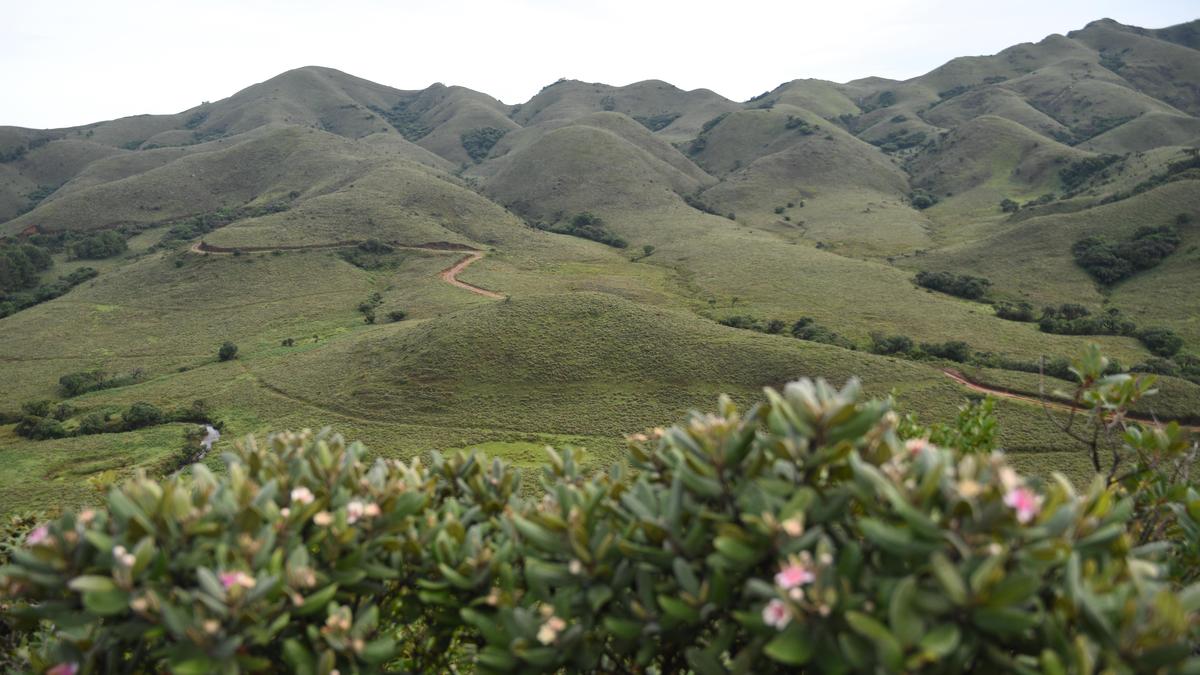
International Year of Rangelands and Pastoralists 2026
What’s the News?
- The United Nations has declared 2026 as the International Year of Rangelands and Pastoralists (IYRP) to raise global awareness about the conservation of these ecosystems.
- The initiative highlights the critical role of grasslands and rangelands in climate regulation, carbon sequestration, and supporting the livelihoods of millions of pastoralists.
- Advocacy groups are increasingly pushing for the formal inclusion of grasslands within national and global climate action frameworks, such as the UNFCCC, to ensure they receive the same conservation priority as forests.
Importance of Rangelands and Grasslands
- Global Coverage: Rangelands—including grasslands, shrublands, wetlands, and tundras—cover approximately 54% of the Earth’s land surface.
- Carbon Sequestration: Grasslands act as vital carbon sinks; unlike forests, they store most of their carbon underground in roots and soil, making them more resilient to wildfires.
- Biodiversity Hubs: These ecosystems support unique flora and fauna and are essential for the survival of wild herbivores and domestic livestock.
- Economic Contribution: They provide the primary resource for pastoralism, a livelihood strategy for over 200 million people globally, contributing significantly to food security and rural economies.
India’s Rangeland Challenge
- Policy Fragmentation: Grasslands fall under the jurisdiction of at least 18 ministries, leading to conflicting mandates e.g., the Ministry of Environment, Forest & Climate Change (MoEF&CC) treats grasslands as sites for afforestation, while the Ministry of Rural Development classifies them as “wastelands” for conversion.
- Ecological Neglect: India’s Nationally Determined Contribution (NDC) targets carbon sequestration through “additional forest and tree cover” but excludes grasslands, despite their proven carbon sink potential.
- Institutional Gaps: Though a Pastoral Cell was established in 2023 under the Ministry of Fisheries, Animal Husbandry & Dairying, there is no dedicated national policy for grassland conservation.
Additional Info
- UNFCCC and Grasslands:
- While the United Nations Framework Convention on Climate Change (UNFCCC) focuses heavily on forest-based carbon credits (e.g., REDD+), there is a growing demand to develop similar mechanisms for grassland conservation.
- Pastoralists:
- Mobile or semi-settled communities that manage livestock on natural pastures.
- In India, communities like the Bakarwals (J&K), Dhangars (Maharashtra), and Raika (Rajasthan) are key examples.
- Indian Context:
- Wasteland Atlas of India: Historically, many productive grasslands were categorized as "wastelands," a classification that conservationists are urging the government to revise.
- Article 48A: The Directive Principles of State Policy mandate the State to protect and improve the environment and safeguard the forests and wildlife of the country.
- National Grassland and Fodder Policy (Draft): Aims to regulate the use of common grazing lands and promote sustainable fodder production.
- Key Global Goals:
- SDG 15 (Life on Land): Specifically targets the restoration of degraded land and soil, including rangelands.
- UN Decade on Ecosystem Restoration (2021–2030): Includes rangelands as a priority biome for recovery.
Sources
Centre Imposes Norms for AI-Based Cancer Detection

What’s the News?
- The Ministry of Health and Family Welfare has brought Artificial Intelligence (AI) driven cancer detection and diagnostic software under formal regulatory oversight.
- The Central Drugs Standard Control Organisation (CDSCO) issued a notification classifying this software as Class C medical devices, a category reserved for moderate-to-high risk products.
- This decision means that AI tools already in use in some hospitals and diagnostic centers now require official approval, safety validation, and continuous monitoring before widespread clinical adoption.
New Regulatory Framework for AI Diagnosis
- Classification: AI software that analyzes X-rays, CT scans, and other medical images for cancer is now legally on par with medical devices.
- Approval Process: Developers must obtain regulatory licenses and undergo rigorous safety and performance evaluations to verify diagnostic accuracy.
- Ongoing Oversight: Once approved, these tools are subject to post-market surveillance, requiring developers to report any issues related to patient safety.
- Quality Standards: All manufacturers and developers must comply with prescribed quality management systems.
Why Class C? Regulatory Implications
Class C devices are deemed moderately high-risk and require stringent regulatory controls under the Medical Device Rules, 2017. AI cancer tools now fall under the same risk tier as lung ventilators and implantable devices, triggering the following obligations:
- Pre-market approval from the Central Licensing Authority;
- Clinical evaluation report (CER) demonstrating diagnostic accuracy and safety;
- Risk analysis documentation as part of the technical dossier;
- Quality management system (QMS) certification (e.g., ISO 13485) and potential CDSCO audits;
- Mandatory adverse event reporting and post-market safety surveillance via Form MD-41. The approval process is estimated to take 6–12 months, including clinical evaluation and central-level review.
Additional Info
- CDSCO (Central Drugs Standard Control Organisation):
- The national regulatory body for pharmaceuticals and medical devices in India.
- Functions under the Directorate General of Health Services, Ministry of Health and Family Welfare.
- Medical Devices Rules, 2017:
- Categorizes devices into four risk classes: Class A (Low Risk) to Class D (High Risk).
- Class A: Low risk (e.g., tongue depressors)
- Class B: Low–moderate (e.g., syringes)
- Class C: Moderate–high risk (e.g., CT scanners, AI cancer diagnostics) 20
- Class D: High risk (e.g., cardiac stents)
- Categorizes devices into four risk classes: Class A (Low Risk) to Class D (High Risk).
Sources
Indian Railways Emerges as a Global Leader in Rail Electrification
What’s the News?
- Indian Railways has achieved a historic milestone by electrifying 99.2% of its total Broad Gauge (BG) network, positioning it as one of the most extensively electrified rail systems in the world.
- As of late 2025, the network reached 69,427 route kilometres (RKM) of electrified tracks, bringing the nation to the threshold of 100% electrification.
- This transformation marks a massive shift from fossil fuel dependence toward a sustainable, cost-efficient, and net-zero future by 2030.
Electrification Acceleration & Scale
- Pace of electrification surged from 1.42 km/day (2004–14) to over 15 km/day (2019–25), a 10-fold increase.
- Between 2014 and 2025, IR electrified 46,900 RKMs, more than double the 21,801 RKMs completed before 2014.
- 25 States/UTs have achieved full electrification; remaining gaps are in remote or geographically challenging sections.
Renewable Integration & Climate Impact
- Solar capacity scaled up from 3.68 MW (2014) to 898 MW (November 2025).
- 2,626 stations now operate on solar power.
- Additional 812 MW solar and 93 MW wind capacity has been added for traction; 1,600 MW hybrid power tied up to support Net Zero by 2030.
- Electric traction is ~70% cheaper than diesel, cutting operating costs and reducing CO₂ emissions by ~10 million tonnes/year.
Global and National Comparison
- Global Standing: India’s 99.2% electrification level ranks it just behind Switzerland (100%), significantly outpacing major economies like China (82%), Spain (67%), Japan (64%), Russia (52%), and the United Kingdom (39%).
- Regional Impact: Several North Eastern states, including Arunachal Pradesh, Meghalaya, Nagaland, Tripura, and Mizoram, have achieved complete electrification of their existing BG networks.
Sources
TRAI Annual Report 2024-25: India’s Telecom and Broadcasting Sector Growth

What’s the News?
- The Telecom Regulatory Authority of India (TRAI) released its Annual Report for 2024-25, highlighting a "defining phase" for the sector characterized by rapid 5G expansion and regulatory reforms.
- India has consolidated its position as the world’s second-largest telecom market, reaching a total subscriber base of 1,200.80 million by the end of March 2025.
- The report was officially laid before the Lok Sabha on December 17, 2025, and the Rajya Sabha on December 18, 2025.
Key Telecom and Internet Metrics
- Subscriber Base: Overall subscribers stood at 1,200.80 million, with a national tele-density of 85.04%.
- Digital Reach: Internet subscribers reached 969.10 million, while broadband users climbed to 944.12 million.
- Data Consumption: Average monthly data consumption per user surged to 27.5 GB in 2024, reflecting a five-year compound annual growth rate (CAGR) of 19.5%.
- 5G Milestone: India achieved one of the world's fastest rollouts, with 5G services available in 99.6% of districts by February 2025, serving approximately 25 crore users.
- Infrastructure: The network is supported by over 4.69 lakh 5G Base Transceiver Stations (BTS).
Broadcasting and Entertainment Sector
- Economic Contribution: India’s Media and Entertainment (M&E) industry reached ₹2.5 trillion in 2024, contributing 0.73% to the national GDP.
- Television Growth: The sector is supported by 918 private satellite TV channels, 845 Multi System Operators (MSOs), and 56.92 million active pay DTH subscribers.
- Radio Segment: Remains resilient with 388 private FM stations operational and a significant expansion in community radio to strengthen local content.
Regulatory Reforms and Consumer Protection
- Telecommunications Act, 2023: This landmark legislation shaped the sector's evolution, focusing on simplified licensing and optimized spectrum utilization.
- Spam Control: TRAI implemented strict measures in August 2024 to curb spam calls and fraudulent messaging, enhancing trust in digital communication.
- Indoor Connectivity: The "Rating of Properties for Digital Connectivity Regulations, 2024" was released to improve the quality of digital signals inside buildings.
Additional Info
- TRAI (Telecom Regulatory Authority of India):
- Established in 1997 under the TRAI Act to regulate telecom services, including adjudication of disputes and protection of consumer interests.
- Operates as a statutory body with a focus on ensuring a level playing field and fair competition.
- 5G Fixed Wireless Access (FWA):
- A new segment reported by TRAI, reaching a base of 6.77 million connections by March 2025 to provide high-speed internet without traditional cables.
- National Broadcasting Policy 2024:
- A key policy initiative mentioned in the report aimed at steering the growth of digital radio, FM pricing, and overall media governance.
Sources
January 2026
31 January 202630 January 202629 January 202628 January 202627 January 202626 January 202624 January 202623 January 202622 January 202621 January 202620 January 202619 January 202616 January 202615 January 202614 January 202613 January 202612 January 202610 January 202609 January 202608 January 202607 January 202606 January 202605 January 202603 January 202602 January 202601 January 2026
Archive
October 2026
- 27 October 2026
- 26 October 2026
- 24 October 2026
- 23 October 2026
- 22 October 2026
- 21 October 2026
- 20 October 2026
- 19 October 2026
- 17 October 2026
- 16 October 2026
- 15 October 2026
- 14 October 2026
- 13 October 2026
- 12 October 2026
- 10 October 2026
- 09 October 2026
- 08 October 2026
- 07 October 2026
- 06 October 2026
- 05 October 2026
- 03 October 2026
- 02 October 2026
- 01 October 2026
September 2026
- 30 September 2026
- 29 September 2026
- 28 September 2026
- 26 September 2026
- 25 September 2026
- 24 September 2026
- 23 September 2026
- 22 September 2026
- 21 September 2026
- 19 September 2026
- 18 September 2026
- 17 September 2026
- 16 September 2026
- 15 September 2026
- 12 September 2026
- 11 September 2026
- 10 September 2026
- 09 September 2026
- 08 September 2026
- 07 September 2026
- 05 September 2026
- 04 September 2026
- 03 September 2026
- 02 September 2026
- 01 September 2026
August 2026
- 31 August 2026
- 29 August 2026
- 27 August 2026
- 26 August 2026
- 25 August 2026
- 24 August 2026
- 22 August 2026
- 21 August 2026
- 20 August 2026
- 19 August 2026
- 18 August 2026
- 17 August 2026
- 14 August 2026
- 13 August 2026
- 12 August 2026
- 11 August 2026
- 10 August 2026
- 08 August 2026
- 07 August 2026
- 06 August 2026
- 05 August 2026
- 04 August 2026
- 03 August 2026
- 01 August 2026
July 2026
- 31 July 2026
- 30 July 2026
- 29 July 2026
- 28 July 2026
- 27 July 2026
- 25 July 2026
- 23 July 2026
- 22 July 2026
- 21 July 2026
- 20 July 2026
- 18 July 2026
- 17 July 2026
- 15 July 2026
- 14 July 2026
- 13 July 2026
- 11 July 2026
- 10 July 2026
- 09 July 2026
- 08 July 2026
- 07 July 2026
- 06 July 2026
- 04 July 2026
- 03 July 2026
- 02 July 2026
- 01 July 2026
June 2026
May 2026
April 2026
March 2026
- 31 March 2026
- 30 March 2026
- 28 March 2026
- 27 March 2026
- 26 March 2026
- 25 March 2026
- 24 March 2026
- 23 March 2026
- 21 March 2026
- 20 March 2026
- 19 March 2026
- 18 March 2026
- 17 March 2026
- 16 March 2026
- 14 March 2026
- 13 March 2026
- 12 March 2026
- 11 March 2026
- 10 March 2026
- 09 March 2026
- 07 March 2026
- 06 March 2026
- 05 March 2026
- 03 March 2026
- 02 March 2026
February 2026
- 28 February 2026
- 27 February 2026
- 26 February 2026
- 25 February 2026
- 24 February 2026
- 23 February 2026
- 21 February 2026
- 20 February 2026
- 19 February 2026
- 18 February 2026
- 17 February 2026
- 16 February 2026
- 13 February 2026
- 12 February 2026
- 11 February 2026
- 10 February 2026
- 09 February 2026
- 07 February 2026
- 06 February 2026
- 05 February 2026
- 04 February 2026
- 03 February 2026
- 02 February 2026
January 2026
- 31 January 2026
- 30 January 2026
- 29 January 2026
- 28 January 2026
- 27 January 2026
- 26 January 2026
- 24 January 2026
- 23 January 2026
- 22 January 2026
- 21 January 2026
- 20 January 2026
- 19 January 2026
- 16 January 2026
- 15 January 2026
- 14 January 2026
- 13 January 2026
- 12 January 2026
- 10 January 2026
- 09 January 2026
- 08 January 2026
- 07 January 2026
- 06 January 2026
- 05 January 2026
- 03 January 2026
- 02 January 2026
- 01 January 2026
December 2025
- 31 December 2025
- 30 December 2025
- 29 December 2025
- 27 December 2025
- 26 December 2025
- 24 December 2025
- 23 December 2025
- 22 December 2025
- 20 December 2025
- 19 December 2025
- 18 December 2025
- 17 December 2025
- 16 December 2025
- 15 December 2025
- 13 December 2025
- 12 December 2025
- 11 December 2025
- 10 December 2025
- 09 December 2025
- 08 December 2025
- 05 December 2025
- 04 December 2025
- 03 December 2025
- 02 December 2025
November 2025
- 29 November 2025
- 28 November 2025
- 27 November 2025
- 26 November 2025
- 25 November 2025
- 24 November 2025
- 22 November 2025
- 21 November 2025
- 20 November 2025
- 19 November 2025
- 18 November 2025
- 17 November 2025
- 15 November 2025
- 14 November 2025
- 13 November 2025
- 12 November 2025
- 11 November 2025
- 10 November 2025
- 08 November 2025
- 07 November 2025
- 06 November 2025
- 05 November 2025
- 04 November 2025
- 03 November 2025
- 01 November 2025
October 2025
- 31 October 2025
- 30 October 2025
- 29 October 2025
- 28 October 2025
- 27 October 2025
- 25 October 2025
- 24 October 2025
- 23 October 2025
- 22 October 2025
- 21 October 2025
- 20 October 2025
- 18 October 2025
- 17 October 2025
- 16 October 2025
- 15 October 2025
- 14 October 2025
- 13 October 2025
- 11 October 2025
- 10 October 2025
- 09 October 2025
- 08 October 2025
- 07 October 2025
- 06 October 2025
- 04 October 2025
- 03 October 2025
- 02 October 2025
- 01 October 2025
September 2025
- 30 September 2025
- 29 September 2025
- 27 September 2025
- 26 September 2025
- 25 September 2025
- 24 September 2025
- 23 September 2025
- 22 September 2025
- 20 September 2025
- 19 September 2025
- 18 September 2025
- 17 September 2025
- 16 September 2025
- 15 September 2025
- 13 September 2025
- 12 September 2025
- 11 September 2025
- 10 September 2025
- 09 September 2025
- 08 September 2025
- 06 September 2025
- 05 September 2025
- 04 September 2025
- 03 September 2025
- 02 September 2025
- 01 September 2025
August 2025
- 30 August 2025
- 29 August 2025
- 28 August 2025
- 27 August 2025
- 26 August 2025
- 25 August 2025
- 23 August 2025
- 22 August 2025
- 21 August 2025
- 20 August 2025
- 19 August 2025
- 18 August 2025
- 16 August 2025
- 14 August 2025
- 13 August 2025
- 12 August 2025
- 11 August 2025
- 08 August 2025
- 07 August 2025
- 06 August 2025
- 05 August 2025
- 04 August 2025
- 02 August 2025
- 01 August 2025
July 2025
- 31 July 2025
- 30 July 2025
- 29 July 2025
- 28 July 2025
- 26 July 2025
- 25 July 2025
- 24 July 2025
- 23 July 2025
- 22 July 2025
- 21 July 2025
- 19 July 2025
- 18 July 2025
- 17 July 2025
- 16 July 2025
- 15 July 2025
- 12 July 2025
- 11 July 2025
- 10 July 2025
- 09 July 2025
- 07 July 2025
- 05 July 2025
- 04 July 2025
- 03 July 2025
- 02 July 2025
- 01 July 2025
June 2025
- 30 June 2025
- 28 June 2025
- 27 June 2025
- 26 June 2025
- 25 June 2025
- 24 June 2025
- 23 June 2025
- 21 June 2025
- 20 June 2025
- 19 June 2025
- 18 June 2025
- 17 June 2025
- 16 June 2025
- 14 June 2025
- 13 June 2025
- 12 June 2025
- 11 June 2025
- 10 June 2025
- 09 June 2025
- 07 June 2025
- 06 June 2025
- 05 June 2025
- 04 June 2025
- 03 June 2025
- 02 June 2025
May 2025
April 2025
- 30 April 2025
- 29 April 2025
- 28 April 2025
- 26 April 2025
- 25 April 2025
- 24 April 2025
- 23 April 2025
- 22 April 2025
- 21 April 2025
- 19 April 2025
- 18 April 2025
- 17 April 2025
- 16 April 2025
- 15 April 2025
- 14 April 2025
- 12 April 2025
- 11 April 2025
- 10 April 2025
- 09 April 2025
- 08 April 2025
- 07 April 2025
- 05 April 2025
- 04 April 2025
- 03 April 2025
- 02 April 2025
- 01 April 2025
March 2025
- 31 March 2025
- 29 March 2025
- 28 March 2025
- 27 March 2025
- 26 March 2025
- 25 March 2025
- 24 March 2025
- 22 March 2025
- 21 March 2025
- 20 March 2025
- 19 March 2025
- 18 March 2025
- 17 March 2025
- 15 March 2025
- 13 March 2025
- 12 March 2025
- 11 March 2025
- 10 March 2025
- 08 March 2025
- 07 March 2025
- 06 March 2025
- 05 March 2025
- 04 March 2025
- 03 March 2025
- 01 March 2025
February 2025
- 28 February 2025
- 27 February 2025
- 26 February 2025
- 25 February 2025
- 24 February 2025
- 22 February 2025
- 21 February 2025
- 20 February 2025
- 19 February 2025
- 18 February 2025
- 17 February 2025
- 15 February 2025
- 14 February 2025
- 13 February 2025
- 12 February 2025
- 11 February 2025
- 10 February 2025
- 08 February 2025
- 07 February 2025
- 06 February 2025
- 05 February 2025
- 04 February 2025
- 03 February 2025
- 01 February 2025
January 2025
- 31 January 2025
- 30 January 2025
- 29 January 2025
- 28 January 2025
- 27 January 2025
- 25 January 2025
- 24 January 2025
- 23 January 2025
- 22 January 2025
- 21 January 2025
- 20 January 2025
- 18 January 2025
- 17 January 2025
- 16 January 2025
- 15 January 2025
- 14 January 2025
- 13 January 2025
- 11 January 2025
- 10 January 2025
- 09 January 2025
- 08 January 2025
- 07 January 2025
- 06 January 2025
- 04 January 2025
- 03 January 2025
- 02 January 2025
- 01 January 2025