
Current Affairs
Stay updated with the latest national and international events.
07 April 2026
India's Indigenous Fast Breeder Reactor Attains Criticality

What's the News?
- India's first indigenously designed Prototype Fast Breeder Reactor (PFBR) at Kalpakkam, Tamil Nadu, has attained criticality, marking the initiation of a self-sustaining nuclear fission reaction.
- The 500 MWe reactor, developed by Bharatiya Nabhikiya Vidyut Nigam Ltd (BHAVINI), is a cornerstone of India's three-stage nuclear power programme.
- Criticality refers to the state where a nuclear reactor maintains a self-sustaining chain reaction, meaning each fission event releases enough neutrons to cause exactly one more fission event.
What is a Fast Breeder Reactor?
A Fast Breeder Reactor (FBR) is an advanced nuclear reactor that generates more fissile material than it consumes while producing electricity.
- Fuel Cycle: Uses Uranium-Plutonium Mixed Oxide (MOX) fuel, utilizing recycled plutonium from first-stage reactors.
- Breeding Process: Surrounds the core with a Uranium-238 blanket; when U-238 atoms capture fast neutrons, they transmute into Plutonium-239, creating surplus fuel.
- Coolant System: Employs Liquid Sodium as coolant instead of water, which does not slow down neutrons, maintaining the fast reaction necessary for breeding.
- Efficiency: Operates at higher temperatures than conventional reactors, delivering better thermal efficiency and extracting significantly more energy from uranium resources.
Why Does Criticality Matter?
Criticality signifies that the reactor's core geometry, fuel arrangement, and engineering calculations are functioning as designed.
- Scientific Validation: Confirms that each fission event releases sufficient neutrons to sustain an ongoing chain reaction without external neutron sources.
- Pre-Commercial Step: Represents the final major milestone before the reactor begins generating electricity for the grid and reaching full 500 MWe capacity.
- Technological Sovereignty: Demonstrates indigenous capability across the entire nuclear fuel cycle, from design and construction to fuel fabrication and safety systems.
India's Three-Stage Nuclear Programme
- First Stage: Pressurised Heavy Water Reactors (PHWRs) using natural uranium fuel and heavy water coolant; forms the bulk of current 8,180 MWe installed capacity.
- Second Stage: Fast Breeder Reactors utilizing plutonium from Stage 1; PFBR marks the operational beginning of this stage.
- Third Stage: Thorium-based reactors using Uranium-233 derived from Thorium-232; aimed at utilizing India's 25% of global thorium reserves.
Sources
India Ranks Among World's Most Optimistic Nations in Ipsos Global Survey
What's the News?
- India emerges as a rare outlier in global sentiment, with 65% of citizens believing the country is heading in the right direction, significantly above the global average of 39%.
- The Ipsos "What Worries the World" survey (March 2026) places India among the top three most optimistic nations, alongside Singapore and Malaysia.
- Despite high optimism, citizens cite inflation, unemployment, and governance issues as key concerns, reflecting a nuanced public perception.
Survey Findings: India's Optimism in Global Context
- Comparative Rankings:
- Singapore: 78% optimism
- Malaysia: 73%
- India: 65%
- Global average: 39%
- Lowest optimism: France (9%), Peru (13%)
- Economic Perception: 74% of Indians rate current economic conditions as "good", supported by robust GDP growth projections (~7.4% for FY 2025–26).
- Personal Financial Strain: A decline in the Personal Financial Conditions Index indicates household-level cost pressures despite macroeconomic strength.
Concerns Among Indian Citizens
- Top Five Worries (percentage of respondents citing each):
- Inflation: 47% (driven by food and energy costs)
- Unemployment: 40%
- Education: 30% (rising demand for quality, digital-ready learning)
- Crime and Violence: 27%
- Financial/Political Corruption: 26%
- Other Notable Concerns: Taxes (21%), terrorism (21%), poverty/inequality (19%), healthcare (13%).
- Global vs. Indian Priorities: While global concerns align broadly, India's ranking places inflation and unemployment ahead of crime/violence—highlighting distinct domestic pressures.
Factors Behind India's Resilient Sentiment
- Geopolitical Neutrality: India's balanced stance amid West Asia tensions has helped insulate public perception from global volatility.
- Energy Security Measures: Diversification of crude oil imports and investments in renewable energy (solar, electric mobility) mitigate external supply shocks.
- Policy Continuity: Domestic reforms under Aatmanirbhar Bharat and focus on infrastructure development reinforce confidence in long-term growth.
- Demographic Dividend: A young, aspirational population contributes to forward-looking sentiment despite near-term challenges.
Survey Methodology:
- Conducted by: Ipsos, a global market research firm.
- Survey Name: "What Worries the World" – March 2026 edition.
- Fieldwork Period: February 20 to March 6, 2026.
- India Sample Size: Approximately 2,200 respondents.
- Data Collection: ~1,800 face-to-face interviews and ~400 online responses.
- Demographics: Urban-focused sample covering Socio-Economic Classes (SEC) A, B, and C across metropolitan areas and tier 1-3 cities in all four zones.
- Limitations: Sample represents more educated, urban, and affluent segments rather than the entire national population.
Sources
India Launches First-Ever Survey of Incorporated Services Sector (ASISSE)

What's the News?
- The National Statistical Office (NSO), under MoSPI, has launched the Annual Survey of Incorporated Services Sector Enterprises (ASISSE)—India's first dedicated statistical exercise to capture granular data on the formal services economy.
- The survey targets incorporated enterprises registered under the Companies Act (1956/2013) and LLP Act (2008), covering key sectors: trade, transport, IT, hospitality, education, and healthcare.
- With a sample size of ~1.21 lakh enterprises and using the GSTN database as its sampling frame, ASISSE aims to generate reliable indicators for evidence-based policymaking.
ASISSE: Scope & Methodology
- Coverage: All States and Union Territories; reference period is FY 2024–25.
- Sampling Framework: Leverages the Goods and Services Tax Network (GSTN) to identify and stratify enterprises, ensuring representativeness of the formal services sector.
- Data Collection: Conducted via a secure web-based portal under the Collection of Statistics Act, 2008 (as amended by Jan Vishwas Act, 2023), ensuring confidentiality and compliance.
- Key Indicators Tracked:
- Employment generation, revenue, operational costs, digital adoption, export orientation, and regional distribution of services enterprises.
Significance for Policy & Governance
- Fills Critical Data Gap: The services sector contributes >50% of India's GDP and employs millions, yet lacked a dedicated annual survey for its incorporated segment.
- Completes Statistical Architecture: ASISSE complements two existing MoSPI surveys:
- Annual Survey of Industries (ASI): Tracks registered manufacturing.
- Annual Survey of Unincorporated Sector Enterprises (ASUSE): Covers informal non-agricultural activities.
- Together, they provide a holistic view of India's non-agricultural economy.
- Enables Targeted Interventions: Granular data will support:
- Design of skilling initiatives aligned with sectoral employment trends.
- Assessment of MSME competitiveness in high-growth services sub-sectors.
- Monitoring of SDG 8 (Decent Work & Economic Growth) and SDG 9 (Industry, Innovation & Infrastructure) indicators.
- Strengthens Federal Planning: State-level disaggregated data will aid NITI Aayog and state governments in crafting region-specific economic strategies.
Sources
China-Pakistan Joint Peace Initiative for West Asia
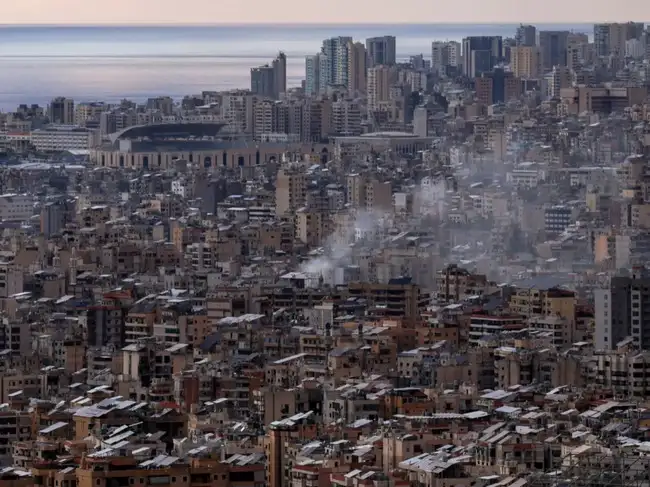
What's the News?
- China and Pakistan have jointly proposed a five-point peace plan to de-escalate the West Asia conflict, calling for an immediate ceasefire, protection of civilian infrastructure, and safe navigation through the Strait of Hormuz.
- The initiative, announced following talks between Chinese Foreign Minister Wang Yi and Pakistan's Foreign Minister Ishaq Dar in Beijing, emphasises multilateral dialogue under the UN Charter and humanitarian access to conflict-affected areas.
- The proposal reflects growing Global South diplomacy, with China expanding its crisis-management role while Pakistan leverages its regional connectivity in the Islamic world.
The Five-Point Framework
- Immediate Cessation of Hostilities: Calls for halting military operations to prevent further escalation and humanitarian catastrophe.
- Early Peace Talks: Urges all parties to initiate diplomatic negotiations without preconditions.
- Protection of Civilians & Infrastructure: Demands adherence to International Humanitarian Law (IHL); prohibits attacks on energy facilities, desalination plants, power infrastructure, and nuclear installations.
- Maritime Security in Critical Chokepoints: Stresses safe passage for commercial vessels through the Strait of Hormuz and adjacent waters—vital for global energy trade.
- Primacy of UN Charter: Reinforces sovereignty, territorial integrity, and non-interference as foundational principles for conflict resolution.
Strategic Interests and Global Impact?
- China’s Mediation Role: Following its success in brokering the Iran-Saudi Arabia rapprochement, China aims to solidify its status as a credible alternative to Western-led diplomacy in the region.
- Pakistan’s Iran Connection: Pakistan is utilizing its historical and strategic ties with Iran to act as a bridge, seeking to prevent a wider regional war that could destabilize its own borders.
- Economic Security: Both nations have high stakes in regional stability; China relies on the region for 40% of its crude oil imports, while Pakistan seeks to protect CPEC-related maritime trade routes.
- Countering Western Influence: The initiative is seen by analysts as an attempt to challenge the traditional security architecture dominated by the United States and its allies.
Sources
EU Strengthens Water Protection: PFAS Added to Pollution Monitoring List

What's the News?
- The European Parliament has approved updated water pollution standards, mandating stricter monitoring of Per- and Polyfluoroalkyl Substances (PFAS)—"forever chemicals"—in rivers, lakes, and groundwater.
- The directive amends three key EU water laws: Water Framework Directive (2000/60/EC), Groundwater Directive (2006/118/EC), and Environmental Quality Standards Directive (2008/105/EC).
- EU member states must align national rules by December 2027, with full compliance on pollutant standards expected by 2039 (extendable to 2045).
PFAS: What Are "Forever Chemicals"?
- Definition: PFAS are a group of 4,700+ synthetic chemicals with strong carbon-fluorine bonds, making them highly resistant to environmental degradation.
- Key Subgroups: PFOS (Perfluorooctane Sulfonic Acid) and PFOA (Perfluorooctanoic Acid) are listed as Persistent Organic Pollutants (POPs) under the Stockholm Convention.
- Common Sources:
- Non-stick cookware, food packaging, stain-resistant textiles
- Industrial applications: aerospace, electronics, firefighting foams
- Leaching into soil, water, and air during production/disposal
- Exposure Routes: Contaminated drinking water, food chain accumulation, inhalation of dust.
New EU Monitoring Standards
- Limit Values (effective January 2026):
- 0.1 µg/L for "Sum of PFAS" (20 priority compounds)
- 0.5 µg/L for "Total PFAS"
- Expanded Monitoring List: Now includes PFAS, microplastics, pharmaceutical residues (e.g., painkillers), pesticides, and antimicrobial resistance indicators.
- Harmonised Methods: Member states must use standardised testing protocols and report data to the European Commission.
- Corrective Action: Mandatory remediation if thresholds are exceeded; public notification requirements strengthened.
Sources
April 2026
Archive
October 2026
- 27 October 2026
- 26 October 2026
- 24 October 2026
- 23 October 2026
- 22 October 2026
- 21 October 2026
- 20 October 2026
- 19 October 2026
- 17 October 2026
- 16 October 2026
- 15 October 2026
- 14 October 2026
- 13 October 2026
- 12 October 2026
- 10 October 2026
- 09 October 2026
- 08 October 2026
- 07 October 2026
- 06 October 2026
- 05 October 2026
- 03 October 2026
- 02 October 2026
- 01 October 2026
September 2026
- 30 September 2026
- 29 September 2026
- 28 September 2026
- 26 September 2026
- 25 September 2026
- 24 September 2026
- 23 September 2026
- 22 September 2026
- 21 September 2026
- 19 September 2026
- 18 September 2026
- 17 September 2026
- 16 September 2026
- 15 September 2026
- 12 September 2026
- 11 September 2026
- 10 September 2026
- 09 September 2026
- 08 September 2026
- 07 September 2026
- 05 September 2026
- 04 September 2026
- 03 September 2026
- 02 September 2026
- 01 September 2026
August 2026
- 31 August 2026
- 29 August 2026
- 27 August 2026
- 26 August 2026
- 25 August 2026
- 24 August 2026
- 22 August 2026
- 21 August 2026
- 20 August 2026
- 19 August 2026
- 18 August 2026
- 17 August 2026
- 14 August 2026
- 13 August 2026
- 12 August 2026
- 11 August 2026
- 10 August 2026
- 08 August 2026
- 07 August 2026
- 06 August 2026
- 05 August 2026
- 04 August 2026
- 03 August 2026
- 01 August 2026
July 2026
- 31 July 2026
- 30 July 2026
- 29 July 2026
- 28 July 2026
- 27 July 2026
- 25 July 2026
- 23 July 2026
- 22 July 2026
- 21 July 2026
- 20 July 2026
- 18 July 2026
- 17 July 2026
- 15 July 2026
- 14 July 2026
- 13 July 2026
- 11 July 2026
- 10 July 2026
- 09 July 2026
- 08 July 2026
- 07 July 2026
- 06 July 2026
- 04 July 2026
- 03 July 2026
- 02 July 2026
- 01 July 2026
June 2026
May 2026
April 2026
March 2026
- 31 March 2026
- 30 March 2026
- 28 March 2026
- 27 March 2026
- 26 March 2026
- 25 March 2026
- 24 March 2026
- 23 March 2026
- 21 March 2026
- 20 March 2026
- 19 March 2026
- 18 March 2026
- 17 March 2026
- 16 March 2026
- 14 March 2026
- 13 March 2026
- 12 March 2026
- 11 March 2026
- 10 March 2026
- 09 March 2026
- 07 March 2026
- 06 March 2026
- 05 March 2026
- 03 March 2026
- 02 March 2026
February 2026
- 28 February 2026
- 27 February 2026
- 26 February 2026
- 25 February 2026
- 24 February 2026
- 23 February 2026
- 21 February 2026
- 20 February 2026
- 19 February 2026
- 18 February 2026
- 17 February 2026
- 16 February 2026
- 13 February 2026
- 12 February 2026
- 11 February 2026
- 10 February 2026
- 09 February 2026
- 07 February 2026
- 06 February 2026
- 05 February 2026
- 04 February 2026
- 03 February 2026
- 02 February 2026
January 2026
- 31 January 2026
- 30 January 2026
- 29 January 2026
- 28 January 2026
- 27 January 2026
- 26 January 2026
- 24 January 2026
- 23 January 2026
- 22 January 2026
- 21 January 2026
- 20 January 2026
- 19 January 2026
- 16 January 2026
- 15 January 2026
- 14 January 2026
- 13 January 2026
- 12 January 2026
- 10 January 2026
- 09 January 2026
- 08 January 2026
- 07 January 2026
- 06 January 2026
- 05 January 2026
- 03 January 2026
- 02 January 2026
- 01 January 2026
December 2025
- 31 December 2025
- 30 December 2025
- 29 December 2025
- 27 December 2025
- 26 December 2025
- 24 December 2025
- 23 December 2025
- 22 December 2025
- 20 December 2025
- 19 December 2025
- 18 December 2025
- 17 December 2025
- 16 December 2025
- 15 December 2025
- 13 December 2025
- 12 December 2025
- 11 December 2025
- 10 December 2025
- 09 December 2025
- 08 December 2025
- 05 December 2025
- 04 December 2025
- 03 December 2025
- 02 December 2025
November 2025
- 29 November 2025
- 28 November 2025
- 27 November 2025
- 26 November 2025
- 25 November 2025
- 24 November 2025
- 22 November 2025
- 21 November 2025
- 20 November 2025
- 19 November 2025
- 18 November 2025
- 17 November 2025
- 15 November 2025
- 14 November 2025
- 13 November 2025
- 12 November 2025
- 11 November 2025
- 10 November 2025
- 08 November 2025
- 07 November 2025
- 06 November 2025
- 05 November 2025
- 04 November 2025
- 03 November 2025
- 01 November 2025
October 2025
- 31 October 2025
- 30 October 2025
- 29 October 2025
- 28 October 2025
- 27 October 2025
- 25 October 2025
- 24 October 2025
- 23 October 2025
- 22 October 2025
- 21 October 2025
- 20 October 2025
- 18 October 2025
- 17 October 2025
- 16 October 2025
- 15 October 2025
- 14 October 2025
- 13 October 2025
- 11 October 2025
- 10 October 2025
- 09 October 2025
- 08 October 2025
- 07 October 2025
- 06 October 2025
- 04 October 2025
- 03 October 2025
- 02 October 2025
- 01 October 2025
September 2025
- 30 September 2025
- 29 September 2025
- 27 September 2025
- 26 September 2025
- 25 September 2025
- 24 September 2025
- 23 September 2025
- 22 September 2025
- 20 September 2025
- 19 September 2025
- 18 September 2025
- 17 September 2025
- 16 September 2025
- 15 September 2025
- 13 September 2025
- 12 September 2025
- 11 September 2025
- 10 September 2025
- 09 September 2025
- 08 September 2025
- 06 September 2025
- 05 September 2025
- 04 September 2025
- 03 September 2025
- 02 September 2025
- 01 September 2025
August 2025
- 30 August 2025
- 29 August 2025
- 28 August 2025
- 27 August 2025
- 26 August 2025
- 25 August 2025
- 23 August 2025
- 22 August 2025
- 21 August 2025
- 20 August 2025
- 19 August 2025
- 18 August 2025
- 16 August 2025
- 14 August 2025
- 13 August 2025
- 12 August 2025
- 11 August 2025
- 08 August 2025
- 07 August 2025
- 06 August 2025
- 05 August 2025
- 04 August 2025
- 02 August 2025
- 01 August 2025
July 2025
- 31 July 2025
- 30 July 2025
- 29 July 2025
- 28 July 2025
- 26 July 2025
- 25 July 2025
- 24 July 2025
- 23 July 2025
- 22 July 2025
- 21 July 2025
- 19 July 2025
- 18 July 2025
- 17 July 2025
- 16 July 2025
- 15 July 2025
- 12 July 2025
- 11 July 2025
- 10 July 2025
- 09 July 2025
- 07 July 2025
- 05 July 2025
- 04 July 2025
- 03 July 2025
- 02 July 2025
- 01 July 2025
June 2025
- 30 June 2025
- 28 June 2025
- 27 June 2025
- 26 June 2025
- 25 June 2025
- 24 June 2025
- 23 June 2025
- 21 June 2025
- 20 June 2025
- 19 June 2025
- 18 June 2025
- 17 June 2025
- 16 June 2025
- 14 June 2025
- 13 June 2025
- 12 June 2025
- 11 June 2025
- 10 June 2025
- 09 June 2025
- 07 June 2025
- 06 June 2025
- 05 June 2025
- 04 June 2025
- 03 June 2025
- 02 June 2025
May 2025
April 2025
- 30 April 2025
- 29 April 2025
- 28 April 2025
- 26 April 2025
- 25 April 2025
- 24 April 2025
- 23 April 2025
- 22 April 2025
- 21 April 2025
- 19 April 2025
- 18 April 2025
- 17 April 2025
- 16 April 2025
- 15 April 2025
- 14 April 2025
- 12 April 2025
- 11 April 2025
- 10 April 2025
- 09 April 2025
- 08 April 2025
- 07 April 2025
- 05 April 2025
- 04 April 2025
- 03 April 2025
- 02 April 2025
- 01 April 2025
March 2025
- 31 March 2025
- 29 March 2025
- 28 March 2025
- 27 March 2025
- 26 March 2025
- 25 March 2025
- 24 March 2025
- 22 March 2025
- 21 March 2025
- 20 March 2025
- 19 March 2025
- 18 March 2025
- 17 March 2025
- 15 March 2025
- 13 March 2025
- 12 March 2025
- 11 March 2025
- 10 March 2025
- 08 March 2025
- 07 March 2025
- 06 March 2025
- 05 March 2025
- 04 March 2025
- 03 March 2025
- 01 March 2025
February 2025
- 28 February 2025
- 27 February 2025
- 26 February 2025
- 25 February 2025
- 24 February 2025
- 22 February 2025
- 21 February 2025
- 20 February 2025
- 19 February 2025
- 18 February 2025
- 17 February 2025
- 15 February 2025
- 14 February 2025
- 13 February 2025
- 12 February 2025
- 11 February 2025
- 10 February 2025
- 08 February 2025
- 07 February 2025
- 06 February 2025
- 05 February 2025
- 04 February 2025
- 03 February 2025
- 01 February 2025
January 2025
- 31 January 2025
- 30 January 2025
- 29 January 2025
- 28 January 2025
- 27 January 2025
- 25 January 2025
- 24 January 2025
- 23 January 2025
- 22 January 2025
- 21 January 2025
- 20 January 2025
- 18 January 2025
- 17 January 2025
- 16 January 2025
- 15 January 2025
- 14 January 2025
- 13 January 2025
- 11 January 2025
- 10 January 2025
- 09 January 2025
- 08 January 2025
- 07 January 2025
- 06 January 2025
- 04 January 2025
- 03 January 2025
- 02 January 2025
- 01 January 2025