
Current Affairs
Stay updated with the latest national and international events.
06 January 2026
India Inaugurates World’s Second National Environmental Standard Laboratory
What’s the News?
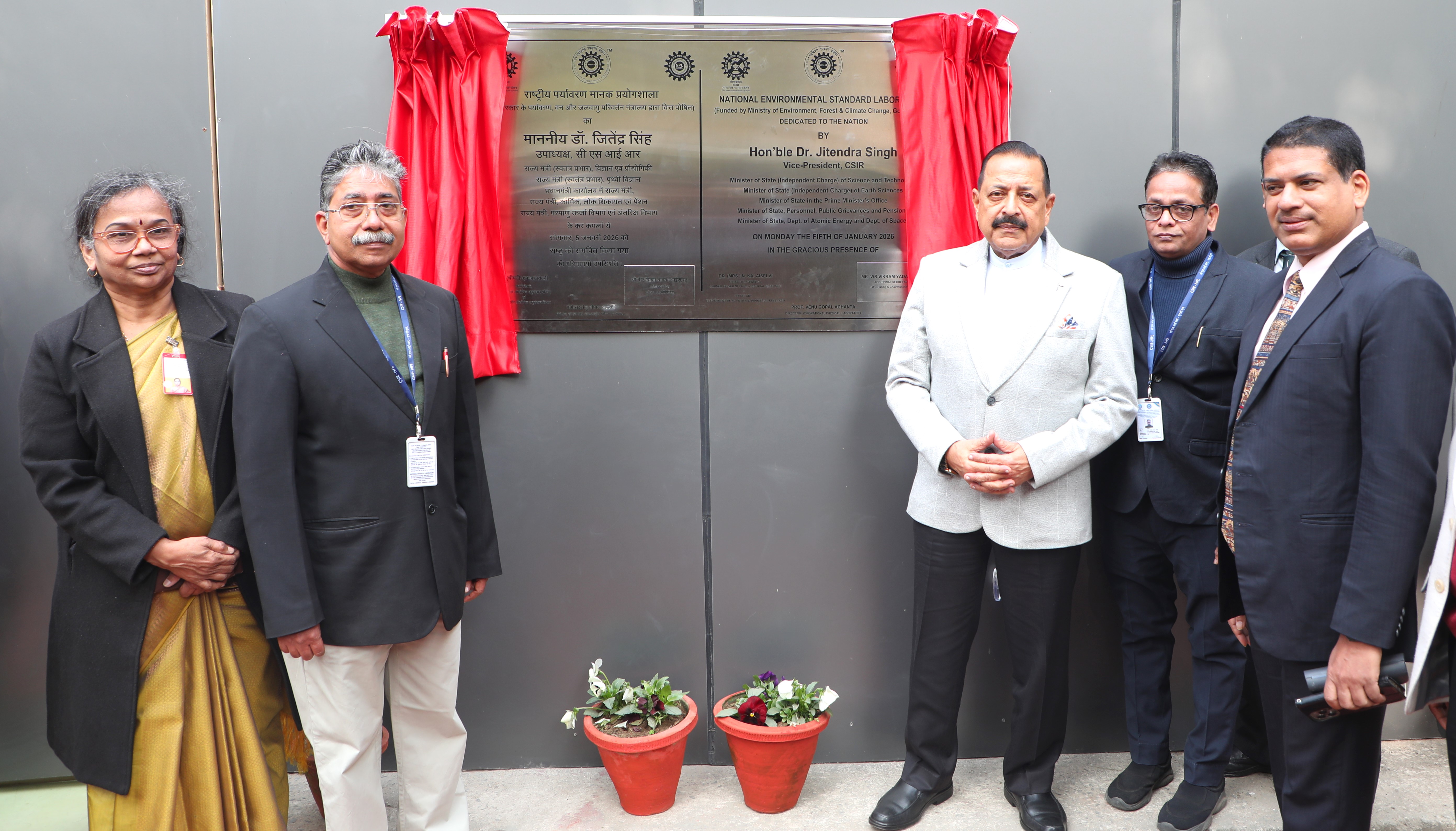
- Union Minister Dr. Jitendra Singh inaugurated the world's second National Environmental Standard Laboratory (NESL) at the CSIR–National Physical Laboratory (NPL) in New Delhi.
- The launch took place during the 80th Foundation Day celebrations of CSIR-NPL, marking a significant advancement in India's environmental governance and self-reliance.
- Alongside NESL, the Minister also inaugurated the National Primary Standard Facility for Solar Cell Calibration (NPSF-SCC), making India the fifth country in the world to possess such a high-precision solar metrology facility.
National Environmental Standard Laboratory (NESL)
- Global Standing: India is now only the second country in the world, after the United Kingdom, to establish a national-level facility for testing and calibrating air pollution monitoring equipment.
- Core Objective: To provide India-specific calibration and certification for air quality monitoring systems, ensuring they function accurately under local climatic conditions such as high temperature, humidity, and dust loads.
- Economic Impact:
- Reduces heavy dependence on imported equipment certified by foreign agencies (like USEPA or TUV).
- Bolsters indigenous manufacturing under Atmanirbhar Bharat, aiming to turn India into an exporter of standardized monitoring tools.
- Targets a global air pollution monitoring market valued at approximately $4 billion.
- Policy Support: The facility will provide traceable data to strengthen the enforcement of the National Clean Air Programme (NCAP).
National Primary Standard Facility for Solar Cell Calibration
- Elite League: With this facility, India joins an elite group of nations—including the USA, Germany, China, and Japan—with advanced primary standards for solar metrology.
- Technical Precision:
- Developed in collaboration with PTB Germany, it utilizes a laser-based Differential Spectral Responsivity (L-DSR) system.
- Achieves a world-leading calibration uncertainty of just 0.35%, ensuring globally comparable measurements.
- Significance: It shortens turnaround times for solar cell certification, saves foreign exchange, and boosts investor confidence in India’s rapidly expanding renewable energy sector.
Additional Info
- CSIR–National Physical Laboratory (CSIR-NPL):
- Established in 1947, it is one of the earliest of the 37 CSIR laboratories and serves as India’s National Metrology Institute (NMI).
- It was mentored by eminent leaders like Dr. Syama Prasad Mukherjee and Sardar Vallabhbhai Patel.
- Custodian of Time: NPL maintains Indian Standard Time (IST) through a series of high-precision Cesium atomic clocks.
- Key Releases:
- During the event, 14 Phytochemical Bharatiya Nirdeshak Dravya (BNDs)—reference materials for quality assurance—were released.
- The 'SAMARTH' Application was launched to streamline calibration and certification processes.
Sources
GEF Approves $52.8 Million in Funding for New UNEP-Led Projects
What’s the News?
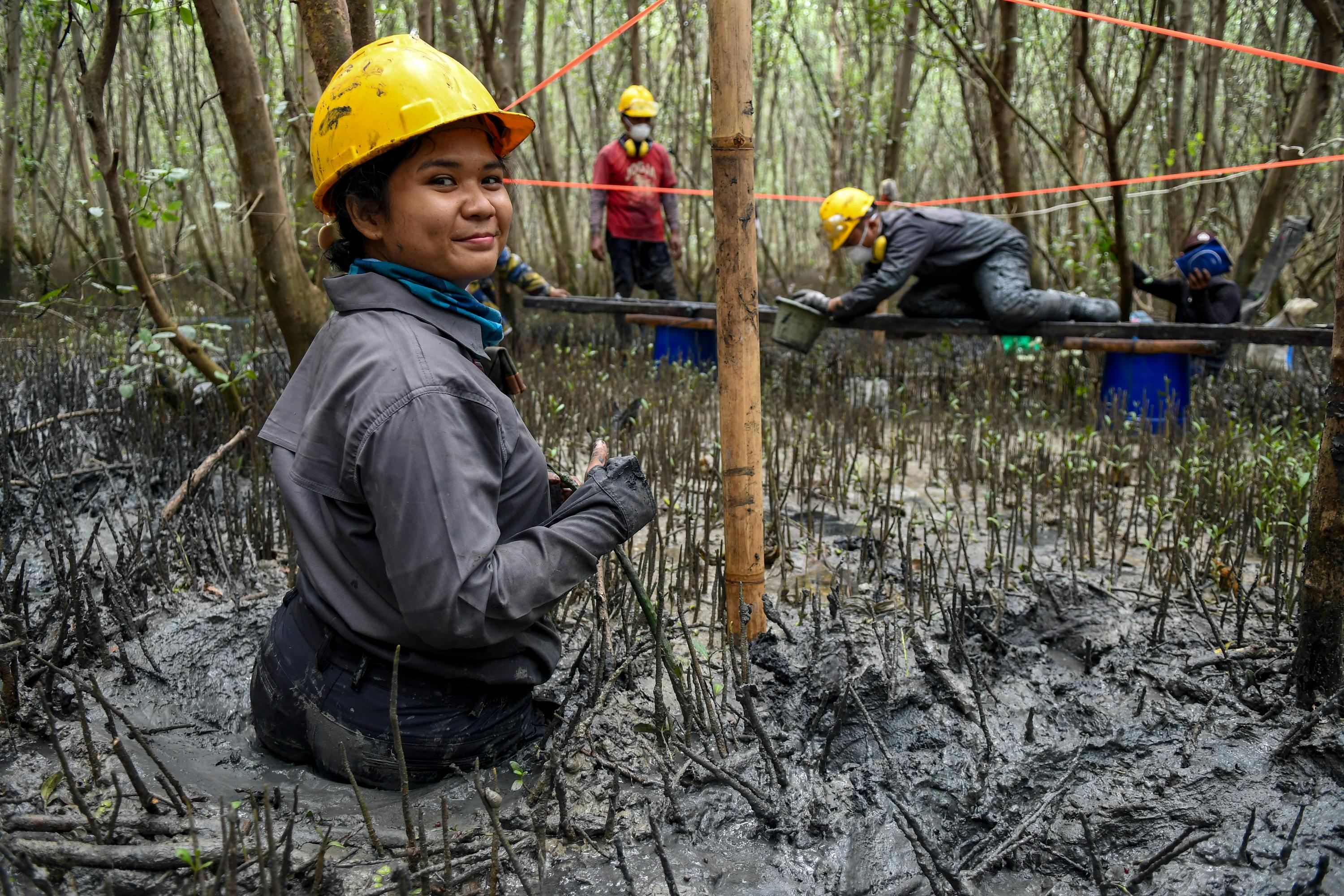
- The Global Environment Facility (GEF) announced $52.8 million in new funding for four United Nations Environment Programme (UNEP)–led projects during its 70th Council meeting.
- This announcement follows the seventh session of the United Nations Environmental Assembly (UNEA-7), where over 6,000 delegates discussed sustainable solutions for the planet.
GEF–UNEP Collaboration: Key Features
- Funding Allocation:
- Total GEF financing: US$52.8 million (grants).
- Expected co-financing mobilization: over US$200 million from partner agencies and governments.
- Project Focus Areas:
- Strengthening frontline environmental action in vulnerable regions.
- Enhancing data systems for biodiversity and emissions.
- Supporting transboundary ecosystem management.
- Scaling up circular economy and pollution mitigation interventions.
- India’s Engagement:
- India is an active GEF beneficiary and participant, with projects implemented through ministries in collaboration with UNEP, UNDP, World Bank, and other GEF agencies.
- Recent GEF-supported initiatives in India include protected area expansion, community conservation, and clean energy infrastructure.
Additional Info
- About GEF:
- Founded: 1991, on the eve of the Rio Earth Summit.
- Role: Serves as the financial mechanism for five international conventions:
- Convention on Biological Diversity (CBD).
- UN Framework Convention on Climate Change (UNFCCC).
- UN Convention to Combat Desertification (UNCCD).
- Stockholm Convention on POPs.
- Minamata Convention on Mercury.
- India’s Contributions:
- A GEF donor since 2014, contributing over US$25 million cumulatively.
- As of 2025, received over US$1.4 billion in GEF grants, leveraging US$8+ billion in co-financing.
- Governance Structure:
- GEF Council: Highest decision-making body, meets twice a year; comprises 32 constituencies (14 for developed, 18 for developing countries)
- Scientific and Technical Advisory Panel (STAP): Provides independent scientific advice; chaired by Dr. Rosina Bierbaum.
Sources
Government Proposes "Battery Pack Aadhaar Number" (BPAN) for EV Traceability
What’s the News?
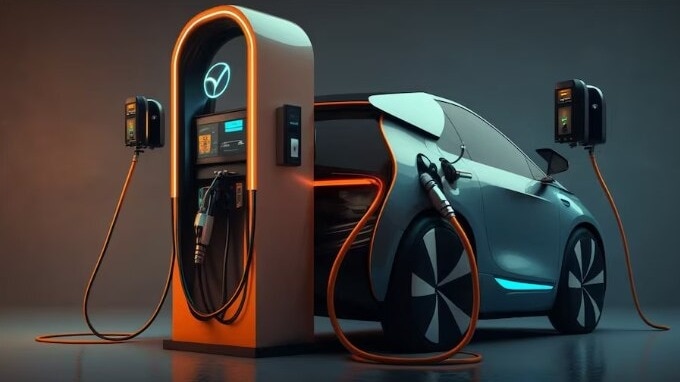
- The Ministry of Road Transport and Highways (MoRTH) has issued draft guidelines for the implementation of the Battery Pack Aadhaar Number (BPAN).
- This system introduces a unique, 21-character alphanumeric identifier for every battery pack introduced into the Indian market, functioning as a digital identity for batteries.
- The initiative aims to ensure end-to-end traceability of batteries throughout their entire lifecycle—from raw material extraction and manufacturing to usage, second-life application, and final disposal.
Key Features of the BPAN System
- Three-Layer Architecture:
- Alphanumeric Code: Physically marked on the battery for basic offline identification.
- QR Code: Stores static technical details like capacity, chemistry, and carbon footprint.
- Server-Based Data: A centralized digital portal for dynamic data, including real-time health metrics, ownership history, and recycling status.
- Mandatory Compliance: Battery producers and importers are obligated to assign a BPAN to every unit sold or used for self-consumption.
- Priority Segments:
- Electric Vehicle (EV) Batteries: Given high priority as they account for 80–90% of India's lithium-ion battery demand.
- Industrial Batteries: Includes those with a capacity greater than 2 kWh.
- Dynamic Updates: If a battery is refurbished or recycled, a new BPAN must be issued to reflect its updated attributes and status.
Objectives and Significance
- Circular Economy: Facilitates organized recycling and the recovery of critical minerals, reducing dependence on virgin raw materials.
- Safety and Quality: Helps in identifying faulty batches quickly and discourages the circulation of substandard or counterfeit battery components.
- Regulatory Oversight: Strengthens the enforcement of Extended Producer Responsibility (EPR) and helps verify domestic value addition under the PLI scheme for Advanced Chemistry Cells (ACC).
- Second-Life Use: Enables potential buyers to verify the "state-of-health" of used batteries for applications like stationary grid storage.
Additional Info
- Implementation Route: The framework will be developed through the Automotive Industry Standard (AIS) route under the Automotive Industry Standards Committee (AISC).
- Stakeholders: The committee includes experts from IITs, ARAI, NITI Aayog, and representatives from battery manufacturers and recyclers.
- Exclusions: The current guidelines exclude portable batteries and standard Starting, Lighting, and Ignition (SLI) batteries used in internal combustion engine vehicles.
Sources
Telangana Assembly Scraps Two-Child Norm for Local Body Elections

What’s the News?
- The Telangana Legislative Assembly has unanimously passed the Telangana Panchayat Raj (Amendment) Bill, 2026, which officially abolishes the "two-child norm".
- Previously, under a 1994 law, individuals with more than two children were disqualified from contesting local body elections.
- The new legislation supersedes an ordinance promulgated earlier to facilitate the conduct of upcoming local body polls.
- This move makes Telangana the latest state to reverse population control measures in electoral eligibility, citing significant shifts in the state's demographic profile.
Why was the Norm Abolished?
- Declining Fertility Rate: The state government noted that the Total Fertility Rate (TFR) in rural Telangana has fallen to 1.7, which is well below the national replacement level of 2.1.
- Demographic Dividend: Minister Danasari Anasuya Seethakka stated that maintaining such restrictive policies could lead to a steep decline in population growth, eventually hurting the state's long-term demographic balance and working-age population.
- Outdated Context: The norm was originally enacted in 1994 to tackle population explosion concerns of the 1980s, such as food security and unemployment, which the government believes have now been addressed through other means.
- Political Representation: The amendment ensures that a larger pool of citizens can now participate in grassroots democracy without facing disqualification based on family size.
Additional Info
- Legislative Framework:
- The primary law amended is the Telangana Panchayat Raj Act, 2018.
- The Assembly also passed the Telangana Panchayat Raj (Second Amendment) Bill, 2026, to rename villages based on local sentiment.
- Constitutional Linkages:
- Article 243E: Mandates regular elections to Panchayats every five years.
- State List (Schedule VII): Local government and elections to local bodies fall primarily under the jurisdiction of the State Legislature.
Sources
Bulgaria Joins the Eurozone: A Strategic Shift Away from Russian Influence

What’s the News?
- Bulgaria has officially become the 21st member of the Eurozone, adopting the Euro as its official currency.
- This transition replaces the Bulgarian Lev, which had been pegged to the Euro since the late 1990s.
- The move is seen as a major geopolitical milestone, signaling Bulgaria's deeper integration into the European Union (EU) and a decisive shift away from historical dependencies on Russia.
- Despite meeting the technical criteria, the adoption faced years of delays due to domestic political instability and high inflation.
Eurozone Accession: Process and Criteria
- Convergence Assessment:
- On 4 June 2025, the European Commission and European Central Bank (ECB) jointly confirmed Bulgaria’s compliance with all five Maastricht convergence criteria:
- Inflation ≤ 1.5 pp above EU-3 average
- Government deficit < 3% of GDP
- Public debt ≤ 60% of GDP (or declining toward it)
- Exchange rate stability (via ERM-II membership since 2020)
- Long-term interest rates ≤ 2 pp above EU-3 average 2223
- Final approval granted by the European Council and European Parliament in July 2025.
- On 4 June 2025, the European Commission and European Central Bank (ECB) jointly confirmed Bulgaria’s compliance with all five Maastricht convergence criteria:
- Governance Shift:
- Bulgaria’s central bank governor now holds a seat on the ECB Governing Council, enabling participation in eurozone-wide monetary policy decisions.
Additional Info
- The Eurozone:
- Established in 1999, it is a geographic and economic region that consists of EU member states that have fully incorporated the Euro.
- Croatia was the previous country to join the bloc in 2023.
- Economic Context:
- Bulgaria is currently the EU's poorest member by GDP per capita; however, it maintains one of the lowest debt-to-GDP ratios in the union.
- The Lev was fixed at a rate of 1.95583 BGN to 1 EUR.
Sources
Centre Relaxes DSIR Norms to Boost Deep-Tech Startups
What’s the News?
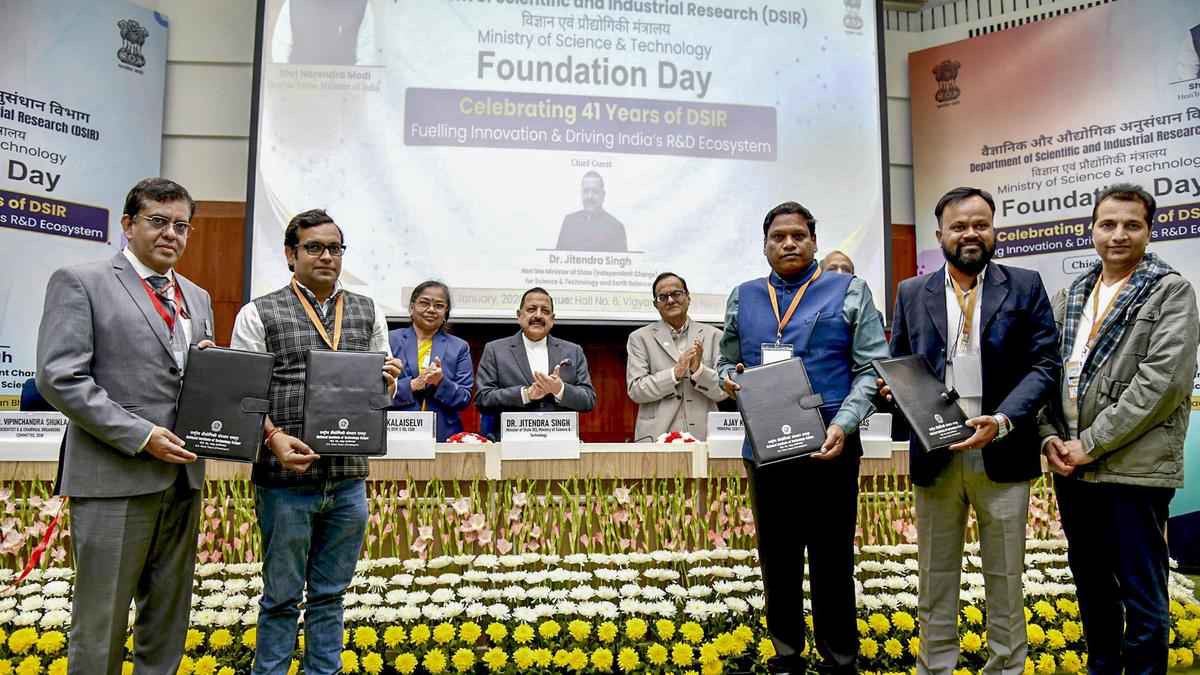
- Union Minister Dr. Jitendra Singh announced a major policy relaxation for deep-tech startups during the 42nd Foundation Day of the Department of Scientific and Industrial Research (DSIR).
- The government has removed the mandatory three-year existence condition for deep-tech startups to obtain official recognition and financial assistance.
- This reform is designed to provide "early momentum" to budding innovators and entrepreneurs, allowing them to scale faster before achieving operational maturity.
Relaxed Eligibility Norms
- Removal of Tenure Barrier: Previously, startups had to demonstrate sustainability for at least three years to qualify for DSIR recognition; this requirement is now scrapped for the deep-tech sector.
- Financial Assistance: Recognized startups can now avail financial support of up to ₹1 crore under the Industrial Research and Development Promotion Programme (IRDPP) from day zero.
- Selection Criteria: While the tenure requirement is removed, startups must still adhere to evaluation standards linked to technological maturity to ensure funding for high-potential innovations.
- Significance: The move addresses the unique challenges of deep-tech ventures such as biotechnology, semiconductors, and space tech which involve long gestation periods and high upfront R&D costs.
Impact on Innovation and Industry
- Circular of Support: Early recognition facilitates access to other government R&D programs like DST, CSIR, and TDB, which often require DSIR certification for eligibility.
- Fiscal Incentives: Recognized units can benefit from customs duty exemptions on imported R&D equipment and lower iGST rates.
- Investor Confidence: Official recognition serves as a "trust signal" for private investors and venture capitalists, potentially crowding in more private capital for early-stage R&D.
- Talent Retention: Upfront financial support helps founders offer competitive compensation to high-end researchers and engineers, reducing talent migration.
Additional Info
- Department of Scientific and Industrial Research (DSIR):
- A part of the Ministry of Science and Technology, it acts as a vital bridge between government, academia, and industry.
- It is responsible for the recognition of In-House R&D units in industry and promoting technology transfer.
- PRISM (Promoting Innovations in Individuals, Startups and MSMEs):
- A key scheme supporting "Proof of Concept" and prototype development.
- New initiatives launched include the PRISM Network Platform and Creative India 2025.
- Inclusion and Resilience:
- Women Participation: Over 10,000 women are currently beneficiaries of DSIR schemes, including more than 55 women-led Self-Help Groups (SHGs).
- DSIR Disaster Management Plan: Launched to reinforce preparedness and resilience within India's scientific infrastructure.
Sources
January 2026
31 January 202630 January 202629 January 202628 January 202627 January 202626 January 202624 January 202623 January 202622 January 202621 January 202620 January 202619 January 202616 January 202615 January 202614 January 202613 January 202612 January 202610 January 202609 January 202608 January 202607 January 202606 January 202605 January 202603 January 202602 January 202601 January 2026
Archive
October 2026
- 28 October 2026
- 27 October 2026
- 26 October 2026
- 24 October 2026
- 23 October 2026
- 22 October 2026
- 21 October 2026
- 20 October 2026
- 19 October 2026
- 17 October 2026
- 16 October 2026
- 15 October 2026
- 14 October 2026
- 13 October 2026
- 12 October 2026
- 10 October 2026
- 09 October 2026
- 08 October 2026
- 07 October 2026
- 06 October 2026
- 05 October 2026
- 03 October 2026
- 02 October 2026
- 01 October 2026
September 2026
- 30 September 2026
- 29 September 2026
- 28 September 2026
- 26 September 2026
- 25 September 2026
- 24 September 2026
- 23 September 2026
- 22 September 2026
- 21 September 2026
- 19 September 2026
- 18 September 2026
- 17 September 2026
- 16 September 2026
- 15 September 2026
- 12 September 2026
- 11 September 2026
- 10 September 2026
- 09 September 2026
- 08 September 2026
- 07 September 2026
- 05 September 2026
- 04 September 2026
- 03 September 2026
- 02 September 2026
- 01 September 2026
August 2026
- 31 August 2026
- 29 August 2026
- 27 August 2026
- 26 August 2026
- 25 August 2026
- 24 August 2026
- 22 August 2026
- 21 August 2026
- 20 August 2026
- 19 August 2026
- 18 August 2026
- 17 August 2026
- 14 August 2026
- 13 August 2026
- 12 August 2026
- 11 August 2026
- 10 August 2026
- 08 August 2026
- 07 August 2026
- 06 August 2026
- 05 August 2026
- 04 August 2026
- 03 August 2026
- 01 August 2026
July 2026
- 31 July 2026
- 30 July 2026
- 29 July 2026
- 28 July 2026
- 27 July 2026
- 25 July 2026
- 23 July 2026
- 22 July 2026
- 21 July 2026
- 20 July 2026
- 18 July 2026
- 17 July 2026
- 15 July 2026
- 14 July 2026
- 13 July 2026
- 11 July 2026
- 10 July 2026
- 09 July 2026
- 08 July 2026
- 07 July 2026
- 06 July 2026
- 04 July 2026
- 03 July 2026
- 02 July 2026
- 01 July 2026
June 2026
May 2026
April 2026
March 2026
- 31 March 2026
- 30 March 2026
- 28 March 2026
- 27 March 2026
- 26 March 2026
- 25 March 2026
- 24 March 2026
- 23 March 2026
- 21 March 2026
- 20 March 2026
- 19 March 2026
- 18 March 2026
- 17 March 2026
- 16 March 2026
- 14 March 2026
- 13 March 2026
- 12 March 2026
- 11 March 2026
- 10 March 2026
- 09 March 2026
- 07 March 2026
- 06 March 2026
- 05 March 2026
- 03 March 2026
- 02 March 2026
February 2026
- 28 February 2026
- 27 February 2026
- 26 February 2026
- 25 February 2026
- 24 February 2026
- 23 February 2026
- 21 February 2026
- 20 February 2026
- 19 February 2026
- 18 February 2026
- 17 February 2026
- 16 February 2026
- 13 February 2026
- 12 February 2026
- 11 February 2026
- 10 February 2026
- 09 February 2026
- 07 February 2026
- 06 February 2026
- 05 February 2026
- 04 February 2026
- 03 February 2026
- 02 February 2026
January 2026
- 31 January 2026
- 30 January 2026
- 29 January 2026
- 28 January 2026
- 27 January 2026
- 26 January 2026
- 24 January 2026
- 23 January 2026
- 22 January 2026
- 21 January 2026
- 20 January 2026
- 19 January 2026
- 16 January 2026
- 15 January 2026
- 14 January 2026
- 13 January 2026
- 12 January 2026
- 10 January 2026
- 09 January 2026
- 08 January 2026
- 07 January 2026
- 06 January 2026
- 05 January 2026
- 03 January 2026
- 02 January 2026
- 01 January 2026
December 2025
- 31 December 2025
- 30 December 2025
- 29 December 2025
- 27 December 2025
- 26 December 2025
- 24 December 2025
- 23 December 2025
- 22 December 2025
- 20 December 2025
- 19 December 2025
- 18 December 2025
- 17 December 2025
- 16 December 2025
- 15 December 2025
- 13 December 2025
- 12 December 2025
- 11 December 2025
- 10 December 2025
- 09 December 2025
- 08 December 2025
- 05 December 2025
- 04 December 2025
- 03 December 2025
- 02 December 2025
November 2025
- 29 November 2025
- 28 November 2025
- 27 November 2025
- 26 November 2025
- 25 November 2025
- 24 November 2025
- 22 November 2025
- 21 November 2025
- 20 November 2025
- 19 November 2025
- 18 November 2025
- 17 November 2025
- 15 November 2025
- 14 November 2025
- 13 November 2025
- 12 November 2025
- 11 November 2025
- 10 November 2025
- 08 November 2025
- 07 November 2025
- 06 November 2025
- 05 November 2025
- 04 November 2025
- 03 November 2025
- 01 November 2025
October 2025
- 31 October 2025
- 30 October 2025
- 29 October 2025
- 28 October 2025
- 27 October 2025
- 25 October 2025
- 24 October 2025
- 23 October 2025
- 22 October 2025
- 21 October 2025
- 20 October 2025
- 18 October 2025
- 17 October 2025
- 16 October 2025
- 15 October 2025
- 14 October 2025
- 13 October 2025
- 11 October 2025
- 10 October 2025
- 09 October 2025
- 08 October 2025
- 07 October 2025
- 06 October 2025
- 04 October 2025
- 03 October 2025
- 02 October 2025
- 01 October 2025
September 2025
- 30 September 2025
- 29 September 2025
- 27 September 2025
- 26 September 2025
- 25 September 2025
- 24 September 2025
- 23 September 2025
- 22 September 2025
- 20 September 2025
- 19 September 2025
- 18 September 2025
- 17 September 2025
- 16 September 2025
- 15 September 2025
- 13 September 2025
- 12 September 2025
- 11 September 2025
- 10 September 2025
- 09 September 2025
- 08 September 2025
- 06 September 2025
- 05 September 2025
- 04 September 2025
- 03 September 2025
- 02 September 2025
- 01 September 2025
August 2025
- 30 August 2025
- 29 August 2025
- 28 August 2025
- 27 August 2025
- 26 August 2025
- 25 August 2025
- 23 August 2025
- 22 August 2025
- 21 August 2025
- 20 August 2025
- 19 August 2025
- 18 August 2025
- 16 August 2025
- 14 August 2025
- 13 August 2025
- 12 August 2025
- 11 August 2025
- 08 August 2025
- 07 August 2025
- 06 August 2025
- 05 August 2025
- 04 August 2025
- 02 August 2025
- 01 August 2025
July 2025
- 31 July 2025
- 30 July 2025
- 29 July 2025
- 28 July 2025
- 26 July 2025
- 25 July 2025
- 24 July 2025
- 23 July 2025
- 22 July 2025
- 21 July 2025
- 19 July 2025
- 18 July 2025
- 17 July 2025
- 16 July 2025
- 15 July 2025
- 12 July 2025
- 11 July 2025
- 10 July 2025
- 09 July 2025
- 07 July 2025
- 05 July 2025
- 04 July 2025
- 03 July 2025
- 02 July 2025
- 01 July 2025
June 2025
- 30 June 2025
- 28 June 2025
- 27 June 2025
- 26 June 2025
- 25 June 2025
- 24 June 2025
- 23 June 2025
- 21 June 2025
- 20 June 2025
- 19 June 2025
- 18 June 2025
- 17 June 2025
- 16 June 2025
- 14 June 2025
- 13 June 2025
- 12 June 2025
- 11 June 2025
- 10 June 2025
- 09 June 2025
- 07 June 2025
- 06 June 2025
- 05 June 2025
- 04 June 2025
- 03 June 2025
- 02 June 2025
May 2025
April 2025
- 30 April 2025
- 29 April 2025
- 28 April 2025
- 26 April 2025
- 25 April 2025
- 24 April 2025
- 23 April 2025
- 22 April 2025
- 21 April 2025
- 19 April 2025
- 18 April 2025
- 17 April 2025
- 16 April 2025
- 15 April 2025
- 14 April 2025
- 12 April 2025
- 11 April 2025
- 10 April 2025
- 09 April 2025
- 08 April 2025
- 07 April 2025
- 05 April 2025
- 04 April 2025
- 03 April 2025
- 02 April 2025
- 01 April 2025
March 2025
- 31 March 2025
- 29 March 2025
- 28 March 2025
- 27 March 2025
- 26 March 2025
- 25 March 2025
- 24 March 2025
- 22 March 2025
- 21 March 2025
- 20 March 2025
- 19 March 2025
- 18 March 2025
- 17 March 2025
- 15 March 2025
- 13 March 2025
- 12 March 2025
- 11 March 2025
- 10 March 2025
- 08 March 2025
- 07 March 2025
- 06 March 2025
- 05 March 2025
- 04 March 2025
- 03 March 2025
- 01 March 2025
February 2025
- 28 February 2025
- 27 February 2025
- 26 February 2025
- 25 February 2025
- 24 February 2025
- 22 February 2025
- 21 February 2025
- 20 February 2025
- 19 February 2025
- 18 February 2025
- 17 February 2025
- 15 February 2025
- 14 February 2025
- 13 February 2025
- 12 February 2025
- 11 February 2025
- 10 February 2025
- 08 February 2025
- 07 February 2025
- 06 February 2025
- 05 February 2025
- 04 February 2025
- 03 February 2025
- 01 February 2025
January 2025
- 31 January 2025
- 30 January 2025
- 29 January 2025
- 28 January 2025
- 27 January 2025
- 25 January 2025
- 24 January 2025
- 23 January 2025
- 22 January 2025
- 21 January 2025
- 20 January 2025
- 18 January 2025
- 17 January 2025
- 16 January 2025
- 15 January 2025
- 14 January 2025
- 13 January 2025
- 11 January 2025
- 10 January 2025
- 09 January 2025
- 08 January 2025
- 07 January 2025
- 06 January 2025
- 04 January 2025
- 03 January 2025
- 02 January 2025
- 01 January 2025