
Current Affairs
Stay updated with the latest national and international events.
06 April 2026
The Jan Vishwas (Amendment of Provisions) Bill, 2026

What’s the News?
- The Parliament has passed the Jan Vishwas (Amendment of Provisions) Bill, 2026, a landmark legislative move aimed at enhancing Ease of Living and Ease of Doing Business in India.
- Bill amends 784 provisions in 79 Central Acts administered by 23 Ministries, covering industry, municipal governance, transport, and colonial-era legislations.
- 717 provisions decriminalised to reduce compliance burden; 67 provisions specifically target ease-of-living improvements for citizens.
- Replaces criminal sanctions (imprisonment/fines) with civil penalties, warnings, and administrative mechanisms for minor procedural lapses.
Four Pillars of Reform
The Bill rests on four structural pillars:
- Warning before Punishment: First-time and minor lapses attract warnings or advisory notices rather than immediate penalties.
- Proportionate Penalties: Penalties calibrated to offence severity, ensuring balanced enforcement.
- Faster, Fair Resolution: Dedicated adjudicating officers and appellate authorities enable swift resolution, reducing court burden.
- Dynamic Penalty Framework: Penalties subject to 10% automatic revision every three years (unless specific Act provides otherwise).
Amendments Breakdown
| Reform Type | Number of Provisions | Examples |
|---|---|---|
| Fine converted to civil penalty | 317 | Tea Act, Legal Metrology Act |
| Fine removed entirely | 158 | Outdated municipal offences |
| Jail + fine converted to civil penalty | 113 | Drugs and Cosmetics Act (₹1 lakh penalty) |
| Jail + fine removed | 57 | Electricity Act, Indian Succession Act |
| Warning for first-time default | 63 | Apprentices Act, Tea Act |
| Jail term reduced | 17 | Rationalised punishments |
| Compounding of offences introduced | 17 | Motor Vehicles Act |
| Imprisonment removed | 29 | Various sectoral laws |
| Scope of offence limited | 6 | Narrowed applicability |
Ease of Living Reforms
The Bill introduces 67 provisions specifically improving daily citizen interactions:
- Motor Vehicles Act, 1988:
- 30-day grace period for driving licence renewal after expiry.
- Travelling without ticket decriminalised (civil penalty up to ₹500 instead of criminal fine).
- Accident victims get 12 additional months to file compensation claims beyond prescribed period.
- Delhi Police Act, 1978:
- Section 102(c) repealed: Being outdoors at night without "satisfactory explanation" no longer a crime (removed colonial-era suspicion-based provision).
- NDMC Act, 1994:
- Illegal use of public water: criminal fine replaced with ₹1,000 civil penalty.
- Property tax standardised: Unit Area Method applied uniformly (replacing outdated rateable-value method for 5% properties).
- Advertisement tax removed.
- Railways Act, 1989: Refusing to vacate reserved berth: criminal fine replaced with ₹1,000 civil penalty.
- Court Fees Act, 1870: Unauthorised stamp sale: imprisonment removed, replaced with ₹10,000 penalty for non-fraudulent acts.
- Clinical Establishments Act, 2010: Minor deficiencies: criminal prosecution replaced with ₹10,000 civil penalty.
Ease of Doing Business Reforms
717 provisions decriminalised for businesses across sectors:
- Graded Enforcement:
- Tea Act, 1953: Warning for first contravention; penalty up to ₹1 lakh only for subsequent violations.
- Apprentices Act, 1961: Advisory → Warning → Penalty tiered approach.
- Improvement Notices: Under Legal Metrology Act, 2009, businesses get time to rectify non-compliance before penalties.
- Specific Sector Changes:
- Central Silk Board Act, 1948: Incorrect information/failure to produce records: imprisonment replaced with warning + monetary penalties.
- Copyright Act, 1957: Errors in Copyright Register: imprisonment provision removed entirely.
- Drugs and Cosmetics Act, 1940: Contraventions: imprisonment replaced with ₹1 lakh penalty or 3x confiscated goods value.
Additional Info
Legislative Journey:
- August 2025: Original Bill introduced (16 Acts, 355 provisions).
- Select Committee (chaired by Tejasvi Surya): 49 sittings, report submitted March 2026.
- Expanded scope: 79 Acts, 784 provisions based on Committee recommendations.
Colonial-Era Laws Reformed:
- Cattle Trespass Act, 1871.
- Live Stock Importation Act, 1898.
- Indian Succession Act, 1925.
- Delhi Police Act, 1978 (Section 102(c) repealed).
Sources
Tar Balls Management Rules 2026
What's the News?
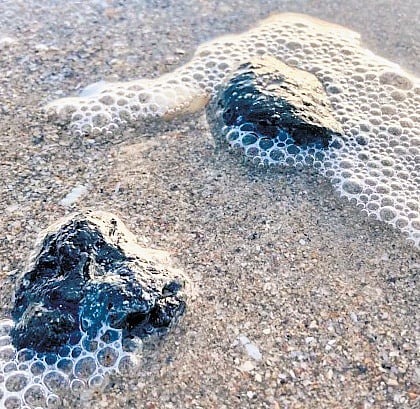
- Centre proposes Tar Balls Management Rules, 2026 — India's first dedicated regulatory framework to manage tar balls, the sticky, weathered residue from oil spills causing on-shore and off-shore marine pollution.
- Draft rules assign clear responsibilities to oil facility owners, state governments, district administrations, and central ministries for environmentally sound collection, transport, treatment, and disposal.
- Introduces polluter pays principle: Oil facility owners liable to pay environmental compensation for spills causing damage to ecology or public health.
- Proposes use of space technology (satellite, drones, sensor buoys) via National Remote Sensing Centre for oil spill surveillance and tar ball hotspot detection.
What are Tar Balls?
- Definition: Small, dark, sticky or hardened blobs of weathered crude oil formed through physical and chemical weathering of oil spills.
- Formation Process:
- Oil release from ships, offshore platforms, or natural seeps.
- Evaporation of lighter components.
- Emulsification with seawater forming thick mousse.
- Fragmentation by wind/waves into smaller pieces.
- Solidification into dense, sticky spheres.
- Composition:
- Heavy hydrocarbons (paraffins, aromatics).
- Asphaltenes (provide black color and sticky texture).
- Trapped sand, shells, seaweed, microplastics.
- Trace sulfur, nickel, and vanadium.
- Characteristics:
- Persistence: Highly resistant to degradation; remain in marine environment for extended periods.
- Size: Range from coin-sized to basketball-sized.
- Seasonality: Most prominent on India's western coast (Gujarat to Goa) during April-September due to south-westerly winds and currents.
Environmental and Economic Impact
Ecological Threats:
- Marine Life: Seabirds, fish, sea turtles mistake tar balls for food; ingestion causes internal poisoning; external coating impairs flight/swimming ability.
- Habitat Damage: Smothers coral reefs and seagrass beds.
- Toxicity: Contains heavy metals, trace elements, and persistent organic pollutants.
Economic Consequences:
- Tourism Impact: Accumulation on beaches reduces aesthetic value of coastal destinations (particularly affects Goa, Maharashtra, Karnataka, Gujarat).
- Fisheries: Contamination affects fishing industries along western coast.
Affected Regions:
- Primary Impact: Western coastal states—Maharashtra, Goa, Gujarat, Karnataka.
- Seasonal Pattern: Monsoon period (strong winds and currents drive tar balls ashore).
Institutional Framework & Responsibilities
- State Governments:
- Declare tar ball-induced coastal pollution as state disaster under Disaster Management Act, 2005.
- Establish State Level Crisis Management Groups under National Oil Spill Disaster Contingency Plan (NOS-DCP).
- District Administrations:
- Responsible for on-ground collection, handling, processing, and transport of tar balls from shorelines.
- Integrate tar ball management into District Disaster Management Plans.
- Indian Coast Guard (MoD):
- Implement NOS-DCP; conduct regular aerial/surface surveillance in Exclusive Economic Zone (EEZ).
- Deploy advanced tech: remotely operated vehicles (ROVs), automated underwater vehicles (AUVs) for underwater plume detection.
- Ministry of Petroleum & Natural Gas:
- Submit quarterly oil leakage/spill reports from offshore installations (within 500m radius) to ICG, state PCBs, and CPCB.
- Implement preventive measures at exploration facilities.
- Steering Committee: Multi-ministry body (7 ministries + CPCB/SPCBs) to advise coastal states/UTs on rule implementation.
Disposal & Resource Recovery Mechanism
- Repurposing as fuel: Tar balls with calorific value >1,500 kilo-calories/kg permitted for use as alternative fuel in cement kilns, subject to State PCB authorisation.
- Environmentally sound disposal: Mandates treatment/storage protocols to prevent secondary contamination during transport and processing.
- Compensation framework: Environmental compensation levied on defaulters equals actual loss/damage incurred by district administration for cleanup operations.
Timeline:
- Draft rules notified for stakeholder consultation (60-day comment period)
- Final rules to come into force one year from official gazette notification
Sources
International Day of Sport for Development and Peace 2026

What's the News?
- International Day of Sport for Development and Peace (IDSDP) observed annually on April 6 to recognise sport's transformative role in advancing peace, social inclusion, and sustainable development.
- 2026 Theme: "Sport: Building Bridges, Breaking Barriers" — emphasises sport's capacity to foster equality, inclusion, and cross-cultural dialogue while addressing disparities like gender inequality, disability exclusion, and racism.
- Day aligns with UN 2030 Agenda for Sustainable Development, highlighting sport as a cost-effective tool to advance SDG 3 (Health), SDG 5 (Gender Equality), SDG 10 (Reduced Inequalities), and SDG 16 (Peaceful Societies).
Historical Background & Institutional Framework
- Establishment: Declared by UN General Assembly via Resolution 67/296 (2013); first observed in 2014.
- Date Significance: April 6 marks the opening of the first modern Olympic Games (1896), linking sport to a legacy of global unity.
- Key Partners: International Olympic Committee (IOC), UN Office on Sport for Development and Peace (UNOSDP), civil society, and private sector collaborate on implementation.
- Global Reach: IOC's Olympism365 strategy supports 550+ social impact programmes across 189 countries, reaching millions through sport-based interventions.
Sport as an Enabler of Sustainable Development
- Policy Recognition: In 2015, sport formally integrated into SDG framework; reinforced in 2024 when all 193 UN Member States adopted resolution "Sport as an Enabler of Sustainable Development".
- Key Contributions:
- Health & Well-being: Promotes physical activity, mental health, and disease prevention.
- Social Inclusion: Creates platforms for marginalised groups (women, persons with disabilities, refugees) to participate and lead.
- Peacebuilding: Facilitates dialogue across conflict lines; exemplified by Olympic Truce tradition and athlete-led solidarity initiatives.
- Education & Skills: Sport-based programmes enhance literacy, life skills, and employability among youth.
- Football for the Goals: UN-led initiative mobilising global football community to align strategies with SDGs, leveraging the sport's visibility for advocacy and behavioural change.
Africa in Focus: Dakar 2026 Youth Olympic Games
- Landmark Event: First Olympic event hosted on African soil (Youth Olympic Games, Dakar); scheduled for late 2026.
- Strategic Significance:
- Aims to boost youth engagement, infrastructure development, and regional integration.
- Showcases sport as a driver for economic growth, gender equity, and pan-African cooperation.
- Aligns with AU Agenda 2063 and continental sport-for-development frameworks.
Additional Info
- Constitutional & Policy Linkages (India):
- Article 51A(g) (Fundamental Duties): Encourages citizens to develop scientific temper and spirit of inquiry — sport fosters critical thinking and teamwork.
- Khelo India Programme: Central scheme promoting grassroots sport, talent identification, and infrastructure; aligns with IDSDP objectives of inclusion and health.
- Fit India Movement: National campaign encouraging physical activity; complements global sport-for-development goals.
- Key Entities:
- UNOSDP: Coordinates UN system-wide sport-for-development efforts.
- Commonwealth Secretariat: Implements sport-for-development programmes across member states, including India.
- Olympic Council of Asia: Regional body promoting sport as tool for peace and development in Asia.
Sources:
National Maritime Day 2026
What's the News?
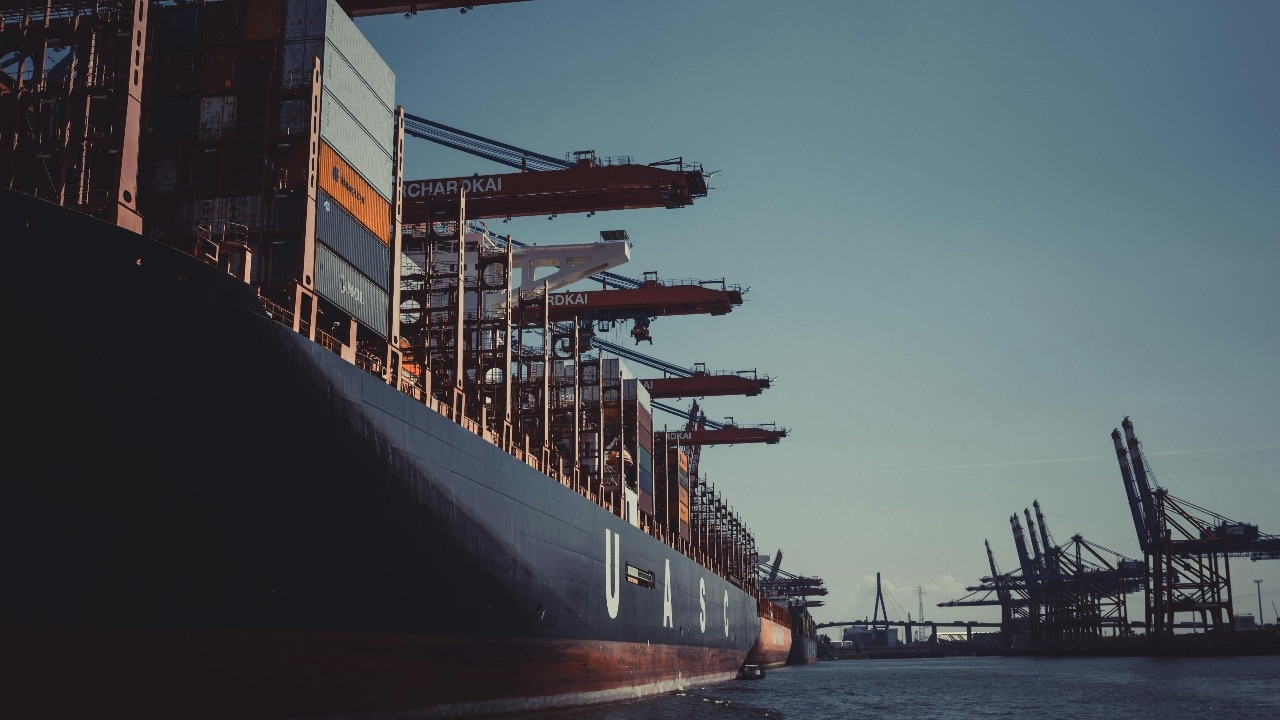
- India observes National Maritime Day annually on April 5 to honour its seafaring legacy and the shipping sector's pivotal role in trade, economy, and strategic security.
- 2026 Theme: "Maritime India – Empowering Progress" — emphasises port modernisation, sustainable shipping practices, and technological advancement towards a self-reliant maritime ecosystem by 2047.
- Day commemorates the historic 1919 maiden voyage of SS Loyalty from Mumbai to London, marking India's entry into global shipping and breaking colonial monopoly over sea routes.
- Celebrations include Sagar Samman Awards, seminars, and awareness campaigns organised by Directorate General of Shipping and Ministry of Ports, Shipping and Waterways.
Historical Significance: SS Loyalty's Legacy
- Milestone Voyage: SS Loyalty, operated by Scindia Steam Navigation Company, sailed from Mumbai to London on April 5, 1919 — first Indian-owned vessel to undertake international commercial voyage.
- Symbol of Sovereignty: Voyage challenged British dominance in maritime trade, laying foundation for India's indigenous shipping industry.
- First Observance: National Maritime Day officially instituted in 1964; observed annually since to recognise maritime contributions to national development.
Maritime Sector: Economic and Strategic Backbone
- Trade Dependency: Over 90% of India's trade by volume and 70% by value moves via sea routes, underscoring shipping's critical role in economic connectivity.
- Infrastructure Scale:
- 7,500+ km coastline with strategic location on major global shipping lanes.
- 12 Major Ports and 200+ Non-Major Ports handling cargo, passenger, and energy logistics.
- India ranks 16th globally in maritime capacity; among top suppliers of skilled seafarers worldwide.
- Policy Framework:
- Sagarmala Programme: Port-led development initiative focusing on infrastructure modernisation, coastal community development, and logistics efficiency.
- Maritime Amrit Kaal Vision 2047: Long-term roadmap for transforming India into a global maritime hub through technology, sustainability, and capacity expansion.
Additional Info
- Constitutional & Legal Framework:
- Entry 25, List I (Union List): Shipping and navigation on national waterways fall under Union jurisdiction.
- Major Port Authorities Act, 2021: Grants greater autonomy to major ports for operational efficiency and private participation.
- Coastal Shipping Rules: Promote short-sea shipping to decongest roads/railways and reduce carbon footprint.
- Related Initiatives:
- PM Gati Shakti: Integrates maritime infrastructure with road, rail, and air networks for seamless logistics.
- National Logistics Policy: Aims to reduce logistics costs from ~14% to single digits, with maritime efficiency as a key lever.
- Sagar Parikrama: Coastal outreach programme to engage fishing communities and promote maritime awareness.
Sources:
April 2026
Archive
October 2026
- 28 October 2026
- 27 October 2026
- 26 October 2026
- 24 October 2026
- 23 October 2026
- 22 October 2026
- 21 October 2026
- 20 October 2026
- 19 October 2026
- 17 October 2026
- 16 October 2026
- 15 October 2026
- 14 October 2026
- 13 October 2026
- 12 October 2026
- 10 October 2026
- 09 October 2026
- 08 October 2026
- 07 October 2026
- 06 October 2026
- 05 October 2026
- 03 October 2026
- 02 October 2026
- 01 October 2026
September 2026
- 30 September 2026
- 29 September 2026
- 28 September 2026
- 26 September 2026
- 25 September 2026
- 24 September 2026
- 23 September 2026
- 22 September 2026
- 21 September 2026
- 19 September 2026
- 18 September 2026
- 17 September 2026
- 16 September 2026
- 15 September 2026
- 12 September 2026
- 11 September 2026
- 10 September 2026
- 09 September 2026
- 08 September 2026
- 07 September 2026
- 05 September 2026
- 04 September 2026
- 03 September 2026
- 02 September 2026
- 01 September 2026
August 2026
- 31 August 2026
- 29 August 2026
- 27 August 2026
- 26 August 2026
- 25 August 2026
- 24 August 2026
- 22 August 2026
- 21 August 2026
- 20 August 2026
- 19 August 2026
- 18 August 2026
- 17 August 2026
- 14 August 2026
- 13 August 2026
- 12 August 2026
- 11 August 2026
- 10 August 2026
- 08 August 2026
- 07 August 2026
- 06 August 2026
- 05 August 2026
- 04 August 2026
- 03 August 2026
- 01 August 2026
July 2026
- 31 July 2026
- 30 July 2026
- 29 July 2026
- 28 July 2026
- 27 July 2026
- 25 July 2026
- 23 July 2026
- 22 July 2026
- 21 July 2026
- 20 July 2026
- 18 July 2026
- 17 July 2026
- 15 July 2026
- 14 July 2026
- 13 July 2026
- 11 July 2026
- 10 July 2026
- 09 July 2026
- 08 July 2026
- 07 July 2026
- 06 July 2026
- 04 July 2026
- 03 July 2026
- 02 July 2026
- 01 July 2026
June 2026
May 2026
April 2026
March 2026
- 31 March 2026
- 30 March 2026
- 28 March 2026
- 27 March 2026
- 26 March 2026
- 25 March 2026
- 24 March 2026
- 23 March 2026
- 21 March 2026
- 20 March 2026
- 19 March 2026
- 18 March 2026
- 17 March 2026
- 16 March 2026
- 14 March 2026
- 13 March 2026
- 12 March 2026
- 11 March 2026
- 10 March 2026
- 09 March 2026
- 07 March 2026
- 06 March 2026
- 05 March 2026
- 03 March 2026
- 02 March 2026
February 2026
- 28 February 2026
- 27 February 2026
- 26 February 2026
- 25 February 2026
- 24 February 2026
- 23 February 2026
- 21 February 2026
- 20 February 2026
- 19 February 2026
- 18 February 2026
- 17 February 2026
- 16 February 2026
- 13 February 2026
- 12 February 2026
- 11 February 2026
- 10 February 2026
- 09 February 2026
- 07 February 2026
- 06 February 2026
- 05 February 2026
- 04 February 2026
- 03 February 2026
- 02 February 2026
January 2026
- 31 January 2026
- 30 January 2026
- 29 January 2026
- 28 January 2026
- 27 January 2026
- 26 January 2026
- 24 January 2026
- 23 January 2026
- 22 January 2026
- 21 January 2026
- 20 January 2026
- 19 January 2026
- 16 January 2026
- 15 January 2026
- 14 January 2026
- 13 January 2026
- 12 January 2026
- 10 January 2026
- 09 January 2026
- 08 January 2026
- 07 January 2026
- 06 January 2026
- 05 January 2026
- 03 January 2026
- 02 January 2026
- 01 January 2026
December 2025
- 31 December 2025
- 30 December 2025
- 29 December 2025
- 27 December 2025
- 26 December 2025
- 24 December 2025
- 23 December 2025
- 22 December 2025
- 20 December 2025
- 19 December 2025
- 18 December 2025
- 17 December 2025
- 16 December 2025
- 15 December 2025
- 13 December 2025
- 12 December 2025
- 11 December 2025
- 10 December 2025
- 09 December 2025
- 08 December 2025
- 05 December 2025
- 04 December 2025
- 03 December 2025
- 02 December 2025
November 2025
- 29 November 2025
- 28 November 2025
- 27 November 2025
- 26 November 2025
- 25 November 2025
- 24 November 2025
- 22 November 2025
- 21 November 2025
- 20 November 2025
- 19 November 2025
- 18 November 2025
- 17 November 2025
- 15 November 2025
- 14 November 2025
- 13 November 2025
- 12 November 2025
- 11 November 2025
- 10 November 2025
- 08 November 2025
- 07 November 2025
- 06 November 2025
- 05 November 2025
- 04 November 2025
- 03 November 2025
- 01 November 2025
October 2025
- 31 October 2025
- 30 October 2025
- 29 October 2025
- 28 October 2025
- 27 October 2025
- 25 October 2025
- 24 October 2025
- 23 October 2025
- 22 October 2025
- 21 October 2025
- 20 October 2025
- 18 October 2025
- 17 October 2025
- 16 October 2025
- 15 October 2025
- 14 October 2025
- 13 October 2025
- 11 October 2025
- 10 October 2025
- 09 October 2025
- 08 October 2025
- 07 October 2025
- 06 October 2025
- 04 October 2025
- 03 October 2025
- 02 October 2025
- 01 October 2025
September 2025
- 30 September 2025
- 29 September 2025
- 27 September 2025
- 26 September 2025
- 25 September 2025
- 24 September 2025
- 23 September 2025
- 22 September 2025
- 20 September 2025
- 19 September 2025
- 18 September 2025
- 17 September 2025
- 16 September 2025
- 15 September 2025
- 13 September 2025
- 12 September 2025
- 11 September 2025
- 10 September 2025
- 09 September 2025
- 08 September 2025
- 06 September 2025
- 05 September 2025
- 04 September 2025
- 03 September 2025
- 02 September 2025
- 01 September 2025
August 2025
- 30 August 2025
- 29 August 2025
- 28 August 2025
- 27 August 2025
- 26 August 2025
- 25 August 2025
- 23 August 2025
- 22 August 2025
- 21 August 2025
- 20 August 2025
- 19 August 2025
- 18 August 2025
- 16 August 2025
- 14 August 2025
- 13 August 2025
- 12 August 2025
- 11 August 2025
- 08 August 2025
- 07 August 2025
- 06 August 2025
- 05 August 2025
- 04 August 2025
- 02 August 2025
- 01 August 2025
July 2025
- 31 July 2025
- 30 July 2025
- 29 July 2025
- 28 July 2025
- 26 July 2025
- 25 July 2025
- 24 July 2025
- 23 July 2025
- 22 July 2025
- 21 July 2025
- 19 July 2025
- 18 July 2025
- 17 July 2025
- 16 July 2025
- 15 July 2025
- 12 July 2025
- 11 July 2025
- 10 July 2025
- 09 July 2025
- 07 July 2025
- 05 July 2025
- 04 July 2025
- 03 July 2025
- 02 July 2025
- 01 July 2025
June 2025
- 30 June 2025
- 28 June 2025
- 27 June 2025
- 26 June 2025
- 25 June 2025
- 24 June 2025
- 23 June 2025
- 21 June 2025
- 20 June 2025
- 19 June 2025
- 18 June 2025
- 17 June 2025
- 16 June 2025
- 14 June 2025
- 13 June 2025
- 12 June 2025
- 11 June 2025
- 10 June 2025
- 09 June 2025
- 07 June 2025
- 06 June 2025
- 05 June 2025
- 04 June 2025
- 03 June 2025
- 02 June 2025
May 2025
April 2025
- 30 April 2025
- 29 April 2025
- 28 April 2025
- 26 April 2025
- 25 April 2025
- 24 April 2025
- 23 April 2025
- 22 April 2025
- 21 April 2025
- 19 April 2025
- 18 April 2025
- 17 April 2025
- 16 April 2025
- 15 April 2025
- 14 April 2025
- 12 April 2025
- 11 April 2025
- 10 April 2025
- 09 April 2025
- 08 April 2025
- 07 April 2025
- 05 April 2025
- 04 April 2025
- 03 April 2025
- 02 April 2025
- 01 April 2025
March 2025
- 31 March 2025
- 29 March 2025
- 28 March 2025
- 27 March 2025
- 26 March 2025
- 25 March 2025
- 24 March 2025
- 22 March 2025
- 21 March 2025
- 20 March 2025
- 19 March 2025
- 18 March 2025
- 17 March 2025
- 15 March 2025
- 13 March 2025
- 12 March 2025
- 11 March 2025
- 10 March 2025
- 08 March 2025
- 07 March 2025
- 06 March 2025
- 05 March 2025
- 04 March 2025
- 03 March 2025
- 01 March 2025
February 2025
- 28 February 2025
- 27 February 2025
- 26 February 2025
- 25 February 2025
- 24 February 2025
- 22 February 2025
- 21 February 2025
- 20 February 2025
- 19 February 2025
- 18 February 2025
- 17 February 2025
- 15 February 2025
- 14 February 2025
- 13 February 2025
- 12 February 2025
- 11 February 2025
- 10 February 2025
- 08 February 2025
- 07 February 2025
- 06 February 2025
- 05 February 2025
- 04 February 2025
- 03 February 2025
- 01 February 2025
January 2025
- 31 January 2025
- 30 January 2025
- 29 January 2025
- 28 January 2025
- 27 January 2025
- 25 January 2025
- 24 January 2025
- 23 January 2025
- 22 January 2025
- 21 January 2025
- 20 January 2025
- 18 January 2025
- 17 January 2025
- 16 January 2025
- 15 January 2025
- 14 January 2025
- 13 January 2025
- 11 January 2025
- 10 January 2025
- 09 January 2025
- 08 January 2025
- 07 January 2025
- 06 January 2025
- 04 January 2025
- 03 January 2025
- 02 January 2025
- 01 January 2025