
Current Affairs
Stay updated with the latest national and international events.
05 January 2026
US Captures Venezuelan President Nicolas Maduro; Revives 19th-Century 'Monroe Doctrine'

What’s the News?
- The United States launched a massive military operation, codenamed Operation Absolute Resolve, to capture Venezuelan President Nicolás Maduro and his wife Cilia Flores.
- The operation involved over 150 aircraft and ground-based extraction forces, striking key infrastructure across northern Venezuela before transporting Maduro to New York City to face criminal charges.
- U.S. President Donald Trump justified the intervention by invoking a rebranded version of the 1823 Monroe Doctrine, which he termed the "Don-roe Doctrine".
- The move has drawn widespread international alarm, with the United Nations and various world leaders questioning the legality of capturing a sovereign head of state.
What is the Monroe Doctrine?
- Announced by U.S. President James Monroe on December 2, 1823, as part of his State of the Union address.
- Core principles include:
- No new European colonization in the Americas
- Non-interference warning to external powers
- U.S. non-interference in European affairs
- Recognition of separate spheres of influence; Americas vs. Europe.
- Designed to position the U.S. as the protector of the Western Hemisphere.
What is the Roosevelt Corollary?
- Added by President Theodore Roosevelt in 1904, following a debt crisis and European naval blockade of Venezuela.
- Asserted the U.S. right to intervene in Latin American countries to prevent European involvement or internal instability.
- Shifted the doctrine from a defensive posture to an interventionist tool, justifying U.S. military actions in:
- Cuba
- Nicaragua
- Haiti
- Dominican Republic
Operation Absolute Resolve?
- Execution: The joint military and law enforcement mission was carried out by elite units, including the Delta Force, targeting Maduro’s residence at the Fuerte Tiuna military base and the La Carlota airfield.
- Legal Basis: The U.S. Department of Justice is prosecuting Maduro based on a 2020 indictment for narco-terrorism, cocaine-trafficking conspiracy, and drug trafficking.
- Casualties: Reports indicate over 80 people were killed during the strikes, including members of the Venezuelan and Cuban military.
- U.S. Control: Following the capture, President Trump stated the U.S. would "run" Venezuela temporarily to stabilize the country and rebuild its oil infrastructure.
The 'Don-roe Doctrine'?
- Rebranding: The term is a neologism combining "Donald" and "Monroe," representing a modern, more assertive interpretation of the 200-year-old Monroe Doctrine.
- Core Objective: It seeks to restore American primacy in the Western Hemisphere by actively excluding non-hemispheric rivals such as China, Russia, and Iran.
- The Trump Corollary: This new policy layer establishes "international police power" for the U.S. to protect commerce, resources, and national security in its "front yard" (Latin America) and "backyard" (Arctic/Greenland).
- Strategic Interests: Beyond law enforcement, the doctrine explicitly prioritizes securing access to Venezuela's oil reserves, the largest in the world, to bolster U.S. energy security.
Sources
Indian Army Signs ₹293 Crore Deal for 'Suryastra' Long-Range Rocket System

What’s the News?
- The Indian Army has signed a ₹292.69 crore contract with the Pune-based private firm NIBE Limited for the supply of the Suryastra universal multi-calibre rocket launcher system.
- The procurement was fast-tracked under Emergency Procurement (EP) powers to enhance deep-strike artillery capabilities.
- This system is developed through a Technology Collaboration Agreement (TCA) with Israeli defence major Elbit Systems, supporting the Aatmanirbhar Bharat initiative.
- The deal includes the manufacturing and supply of ground equipment, accessories, and ammunition, with a scheduled execution timeline of 12 months.
Suryastra Rocket System?
- First Indigenous Multi-Calibre System: It is India's first "Made in India" universal multi-calibre rocket launcher, capable of firing different types of rockets from the same platform.
- Strike Range: The system is designed for precision surface-to-surface strikes at ranges of 150 km and 300 km.
- High Precision: It achieved a Circular Error Probable (CEP) of less than 5 metres during trials, allowing for surgical strikes with minimal collateral damage.
- Operational Versatility:
- Capable of integrating multiple rocket calibres including 122mm, 160mm, and 306mm.
- Can also launch loitering munitions up to a range of 100 km, providing enhanced battlefield flexibility.
- Features Electronic Sequence Programming (ESP) for automated and efficient firing sequences.
Additional Info
- Emergency Procurement (EP) Powers:
- Granted to the Vice Chiefs of the three services to procure equipment worth up to ₹300 crore per case on an urgent basis.
- Initially introduced after the May 2020 standoff with China to plug immediate capability gaps.
- The Defence Acquisition Council (DAC) extended the validity of these powers until January 15, 2026
- Technological Pedigree:
- The system is derived from Israel's PULS (Precise & Universal Launching System) technology.
- While critical technology is transferred from Elbit Systems, production and future upgrades are anchored in India.
- Strategic Comparison:
- Unlike the indigenous Pinaka system, which primarily serves area saturation roles, Suryastra focuses on long-range precision strikes.
- It complements the ongoing development of extended-range Pinaka variants (up to 300 km) by the DRDO.
Sources
India Becomes World’s Largest Rice Producer, Surpassing China

What’s the News?
- India has officially become the world’s largest rice producer, overtaking China for the first time.
- Union Agriculture Minister Shivraj Singh Chouhan announced that India’s rice production reached a record 149.82 million tonnes (mt) in the 2024-25 crop year.
- This milestone marks a significant shift in global agricultural dynamics, as China had held the top position for decades.
- The achievement is attributed to favorable monsoon conditions, increased area under cultivation, and the adoption of high-yielding and climate-resilient seed varieties.
Production Trends & Key Drivers
- India’s rice output has risen consistently over the past decade:
- 2020–21: 129.3 MT
- 2023–24: 135.3 MT
- 2024–25 (est.): 136.41 MT
- Key contributors:
- Record area coverage: ~46.6 million hectares
- Yield improvement:
- 2014–15: 2.21 MT/ha
- 2024–25 (est.): 2.93 MT/ha
- Adoption of high-yielding and climate-resilient varieties (e.g., Swarna Sub1, CR Dhan 310)
- Expansion of direct-seeded rice (DSR) and micro-irrigation in Punjab, Haryana, and eastern states
Export Leadership Continues
- India remains the top global rice exporter for the 12th consecutive year (2013–2025), shipping 22–24 MT annually on average.
- In 2024–25 (April–Dec):
- Exported 21.78 MT rice (value: ~$10.2 billion)
- Share of non-basmati rice: ~90%
- Key markets: Nepal, Benin, Senegal, Bangladesh, Indonesia
- Contributed ~40% of global rice trade in volume terms in 2024.
Additional Info
- Historical Context:
- Historically, China was the dominant producer due to its high-intensity farming and early adoption of hybrid rice technology.
- India's transition from a food-deficient nation during the Green Revolution to the world's top producer is considered a major socio-economic success.
- Constitutional & Policy Links:
- Agriculture is a State List subject (Entry 14), but the Central Government influences it through Entry 33 of the Concurrent List (trade and commerce in foodstuff).
- Article 47: The State shall endeavor to raise the level of nutrition and the standard of living and to improve public health, which includes ensuring food security.
- Related Schemes:
- National Food Security Mission (NFSM): Launched to increase production through area expansion and productivity enhancement.
- Pradhan Mantri Krishi Sinchai Yojana (PMKSY): Focuses on "Har Khet Ko Pani" (Water for every field) to reduce dependence on monsoons.
- Rashtriya Krishi Vikas Yojana (RKVY): Provides flexibility to states to plan and execute agricultural development programs.
- Data Context:
- While India is now #1 in total production, its average yield per hectare still lags behind China and the USA, indicating significant scope for further productivity gains.
Sources
World Braille Day 2026: Promoting Inclusion and Literacy Through Touch

What’s the News?
- World Braille Day was observed globally on January 4, 2026, to raise awareness about the importance of Braille as a means of communication for the full realization of human rights for blind and partially sighted people.
- The day commemorates the birth anniversary of Louis Braille, the French educator who invented the tactile reading and writing system in the 19th century.
- First officially recognized by the United Nations General Assembly (UNGA) in 2018, the day has been celebrated annually since 2019.
- The 2026 observance emphasizes the need for accessible formats in education, healthcare, and digital content to ensure that the estimated 2.2 billion people globally with vision impairment can participate fully in society.
Why January 4?
- Louis Braille’s Legacy: Born on January 4, 1809, in France, Louis Braille lost his sight at age three due to a workshop accident.
- Military Inspiration: At age 15, he simplified a complex 12-dot military cryptography system known as "night writing" (developed by Charles Barbier) into a more efficient six-dot system.
- The Six-Dot Revolution: His system allowed users to read a cell with a single fingertip, enabling faster literacy and independent learning for the visually impaired.
What is Braille?
- Not a Language: Braille is a tactile code rather than a language; it can be used to represent many languages, including English, Hindi, and Chinese, as well as musical and mathematical symbols.
- Structure: A standard Braille cell consists of six dots arranged in two vertical columns of three dots each.
- Versatility: There are 63 possible combinations of these dots, representing letters, numbers, and punctuation marks.
- Irreplaceability: Despite digital advancements like screen readers, Braille remains essential for foundational literacy, numeracy, and cognitive development.
Additional Info
- Constitutional Framework in India:
- Article 41 (DPSP): Mandates the State to make effective provisions for the right to work, education, and public assistance in cases of disablement.
- Article 15: Prohibits discrimination by the State against any citizen, including persons with disabilities.
- Article 21: The Supreme Court has interpreted the "Right to Life" to include the right to live with dignity and access to reasonable accommodation for persons with disabilities.
- Legal Framework:
- Rights of Persons with Disabilities (RPwD) Act, 2016: Replaced the 1995 Act; it increases the types of disabilities from 7 to 21 and mandates a 4% reservation in government jobs (including 1% specifically for the visually impaired).
- Section 31: Mandates that all educational institutions provide amanuensis (scribes) to blind students and those with low vision.
- Indian Initiatives:
- Sugamya Bharat Abhiyan (Accessible India Campaign): A nationwide flagship campaign to achieve universal accessibility in the built environment, transport, and ICT.
- Sugamya Pustakalaya: An online library that hosts over 6.7 lakh titles in accessible formats like Braille and audio.
- NIEPVD (Dehradun): The National Institute for the Empowerment of Persons with Visual Disabilities provides education, training, and Braille production services.
- Key Statistics:
- According to the 2011 Census, India has approximately 5 million persons with visual impairment.
Sources
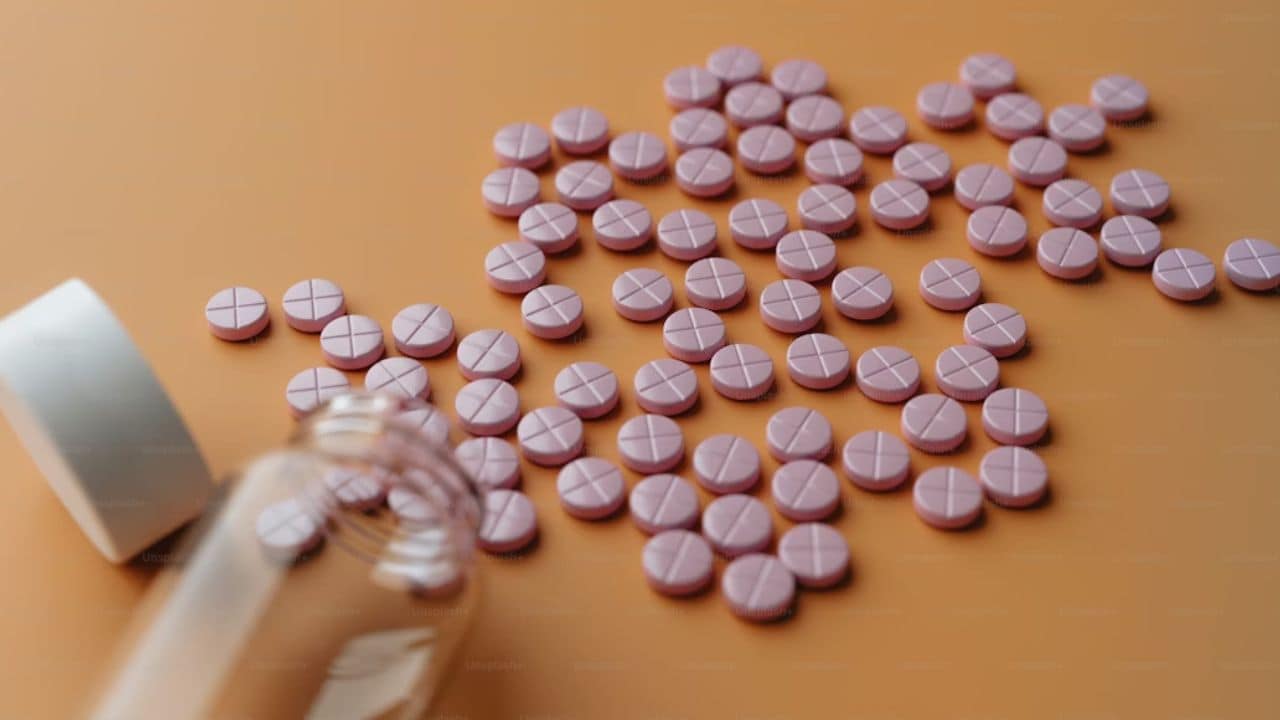
FDA Approves 'Aqvesme': First Oral Pill for Thalassemia Anemia
What’s the News?
- The U.S. Food and Drug Administration (FDA) approved Aqvesme (mitapivat) on December 23, 2025, as the first oral treatment for anemia in adults with alpha- or beta-thalassemia.
- The twice-daily pill is a landmark "disease-modifying" therapy that targets the disorder at its cellular core rather than just managing symptoms.
- It is the only medication approved for both transfusion-dependent (TDT) and non-transfusion-dependent (NTDT) forms of the disease.
- While initially available in the U.S. starting in late January 2026, Indian experts hail the approval as a "game changer" for India’s high thalassemia burden, pending local regulatory clearance.
How Aqvesme Works?
- Pyruvate Kinase (PK) Activator: Aqvesme works as an oral small-molecule allosteric activator of the red blood cell-specific pyruvate kinase (PKR) enzyme.
- Energy Boost: By enhancing PK activity, it improves the energy balance (ATP production) within red blood cells.
- Increased Survival: The treatment stabilizes fragile red blood cells, allowing them to survive longer in the bloodstream and improving their ability to transport oxygen.
- Reduced Burden: By addressing ineffective erythropoiesis (poor RBC production), it significantly increases hemoglobin levels and reduces dependence on lifelong blood transfusions.
Key Clinical Findings
- ENERGIZE Trials: Approval was based on data from the global Phase 3 ENERGIZE and ENERGIZE-T trials involving 452 adults.
- Hemoglobin Response: In the ENERGIZE trial (NTDT), 42% of patients achieved a hemoglobin increase of ≥1 g/dL, compared to only 2% in the placebo group.
- Transfusion Reduction: In the ENERGIZE-T trial (TDT), 30% of patients achieved a reduction in transfusion burden of at least 50%.
- Quality of Life: Patients reported significant reductions in debilitating fatigue and improved walking capacity.
About Thalassemia in India
- India bears the highest global burden of thalassemia:
- ~100,000–120,000 individuals live with β-thalassemia major
- ~3.9% of the population (≈42 million) are carriers of β-thalassemia trait
- ~10,000–15,000 children born annually with thalassemia major
- States with highest prevalence: Punjab, Gujarat, West Bengal, Bihar, Uttar Pradesh, and Northeast tribal communities
- Current treatment burden:
- Regular blood transfusions (every 2–4 weeks)
- Iron chelation therapy (e.g., deferasirox, deferiprone) to prevent iron overload
- Stem cell transplant—only curative option, but limited by cost (~₹15–25 lakh) and donor availability
Sources
January 2026
31 January 202630 January 202629 January 202628 January 202627 January 202626 January 202624 January 202623 January 202622 January 202621 January 202620 January 202619 January 202616 January 202615 January 202614 January 202613 January 202612 January 202610 January 202609 January 202608 January 202607 January 202606 January 202605 January 202603 January 202602 January 202601 January 2026
Archive
October 2026
- 27 October 2026
- 26 October 2026
- 24 October 2026
- 23 October 2026
- 22 October 2026
- 21 October 2026
- 20 October 2026
- 19 October 2026
- 17 October 2026
- 16 October 2026
- 15 October 2026
- 14 October 2026
- 13 October 2026
- 12 October 2026
- 10 October 2026
- 09 October 2026
- 08 October 2026
- 07 October 2026
- 06 October 2026
- 05 October 2026
- 03 October 2026
- 02 October 2026
- 01 October 2026
September 2026
- 30 September 2026
- 29 September 2026
- 28 September 2026
- 26 September 2026
- 25 September 2026
- 24 September 2026
- 23 September 2026
- 22 September 2026
- 21 September 2026
- 19 September 2026
- 18 September 2026
- 17 September 2026
- 16 September 2026
- 15 September 2026
- 12 September 2026
- 11 September 2026
- 10 September 2026
- 09 September 2026
- 08 September 2026
- 07 September 2026
- 05 September 2026
- 04 September 2026
- 03 September 2026
- 02 September 2026
- 01 September 2026
August 2026
- 31 August 2026
- 29 August 2026
- 27 August 2026
- 26 August 2026
- 25 August 2026
- 24 August 2026
- 22 August 2026
- 21 August 2026
- 20 August 2026
- 19 August 2026
- 18 August 2026
- 17 August 2026
- 14 August 2026
- 13 August 2026
- 12 August 2026
- 11 August 2026
- 10 August 2026
- 08 August 2026
- 07 August 2026
- 06 August 2026
- 05 August 2026
- 04 August 2026
- 03 August 2026
- 01 August 2026
July 2026
- 31 July 2026
- 30 July 2026
- 29 July 2026
- 28 July 2026
- 27 July 2026
- 25 July 2026
- 23 July 2026
- 22 July 2026
- 21 July 2026
- 20 July 2026
- 18 July 2026
- 17 July 2026
- 15 July 2026
- 14 July 2026
- 13 July 2026
- 11 July 2026
- 10 July 2026
- 09 July 2026
- 08 July 2026
- 07 July 2026
- 06 July 2026
- 04 July 2026
- 03 July 2026
- 02 July 2026
- 01 July 2026
June 2026
May 2026
April 2026
March 2026
- 31 March 2026
- 30 March 2026
- 28 March 2026
- 27 March 2026
- 26 March 2026
- 25 March 2026
- 24 March 2026
- 23 March 2026
- 21 March 2026
- 20 March 2026
- 19 March 2026
- 18 March 2026
- 17 March 2026
- 16 March 2026
- 14 March 2026
- 13 March 2026
- 12 March 2026
- 11 March 2026
- 10 March 2026
- 09 March 2026
- 07 March 2026
- 06 March 2026
- 05 March 2026
- 03 March 2026
- 02 March 2026
February 2026
- 28 February 2026
- 27 February 2026
- 26 February 2026
- 25 February 2026
- 24 February 2026
- 23 February 2026
- 21 February 2026
- 20 February 2026
- 19 February 2026
- 18 February 2026
- 17 February 2026
- 16 February 2026
- 13 February 2026
- 12 February 2026
- 11 February 2026
- 10 February 2026
- 09 February 2026
- 07 February 2026
- 06 February 2026
- 05 February 2026
- 04 February 2026
- 03 February 2026
- 02 February 2026
January 2026
- 31 January 2026
- 30 January 2026
- 29 January 2026
- 28 January 2026
- 27 January 2026
- 26 January 2026
- 24 January 2026
- 23 January 2026
- 22 January 2026
- 21 January 2026
- 20 January 2026
- 19 January 2026
- 16 January 2026
- 15 January 2026
- 14 January 2026
- 13 January 2026
- 12 January 2026
- 10 January 2026
- 09 January 2026
- 08 January 2026
- 07 January 2026
- 06 January 2026
- 05 January 2026
- 03 January 2026
- 02 January 2026
- 01 January 2026
December 2025
- 31 December 2025
- 30 December 2025
- 29 December 2025
- 27 December 2025
- 26 December 2025
- 24 December 2025
- 23 December 2025
- 22 December 2025
- 20 December 2025
- 19 December 2025
- 18 December 2025
- 17 December 2025
- 16 December 2025
- 15 December 2025
- 13 December 2025
- 12 December 2025
- 11 December 2025
- 10 December 2025
- 09 December 2025
- 08 December 2025
- 05 December 2025
- 04 December 2025
- 03 December 2025
- 02 December 2025
November 2025
- 29 November 2025
- 28 November 2025
- 27 November 2025
- 26 November 2025
- 25 November 2025
- 24 November 2025
- 22 November 2025
- 21 November 2025
- 20 November 2025
- 19 November 2025
- 18 November 2025
- 17 November 2025
- 15 November 2025
- 14 November 2025
- 13 November 2025
- 12 November 2025
- 11 November 2025
- 10 November 2025
- 08 November 2025
- 07 November 2025
- 06 November 2025
- 05 November 2025
- 04 November 2025
- 03 November 2025
- 01 November 2025
October 2025
- 31 October 2025
- 30 October 2025
- 29 October 2025
- 28 October 2025
- 27 October 2025
- 25 October 2025
- 24 October 2025
- 23 October 2025
- 22 October 2025
- 21 October 2025
- 20 October 2025
- 18 October 2025
- 17 October 2025
- 16 October 2025
- 15 October 2025
- 14 October 2025
- 13 October 2025
- 11 October 2025
- 10 October 2025
- 09 October 2025
- 08 October 2025
- 07 October 2025
- 06 October 2025
- 04 October 2025
- 03 October 2025
- 02 October 2025
- 01 October 2025
September 2025
- 30 September 2025
- 29 September 2025
- 27 September 2025
- 26 September 2025
- 25 September 2025
- 24 September 2025
- 23 September 2025
- 22 September 2025
- 20 September 2025
- 19 September 2025
- 18 September 2025
- 17 September 2025
- 16 September 2025
- 15 September 2025
- 13 September 2025
- 12 September 2025
- 11 September 2025
- 10 September 2025
- 09 September 2025
- 08 September 2025
- 06 September 2025
- 05 September 2025
- 04 September 2025
- 03 September 2025
- 02 September 2025
- 01 September 2025
August 2025
- 30 August 2025
- 29 August 2025
- 28 August 2025
- 27 August 2025
- 26 August 2025
- 25 August 2025
- 23 August 2025
- 22 August 2025
- 21 August 2025
- 20 August 2025
- 19 August 2025
- 18 August 2025
- 16 August 2025
- 14 August 2025
- 13 August 2025
- 12 August 2025
- 11 August 2025
- 08 August 2025
- 07 August 2025
- 06 August 2025
- 05 August 2025
- 04 August 2025
- 02 August 2025
- 01 August 2025
July 2025
- 31 July 2025
- 30 July 2025
- 29 July 2025
- 28 July 2025
- 26 July 2025
- 25 July 2025
- 24 July 2025
- 23 July 2025
- 22 July 2025
- 21 July 2025
- 19 July 2025
- 18 July 2025
- 17 July 2025
- 16 July 2025
- 15 July 2025
- 12 July 2025
- 11 July 2025
- 10 July 2025
- 09 July 2025
- 07 July 2025
- 05 July 2025
- 04 July 2025
- 03 July 2025
- 02 July 2025
- 01 July 2025
June 2025
- 30 June 2025
- 28 June 2025
- 27 June 2025
- 26 June 2025
- 25 June 2025
- 24 June 2025
- 23 June 2025
- 21 June 2025
- 20 June 2025
- 19 June 2025
- 18 June 2025
- 17 June 2025
- 16 June 2025
- 14 June 2025
- 13 June 2025
- 12 June 2025
- 11 June 2025
- 10 June 2025
- 09 June 2025
- 07 June 2025
- 06 June 2025
- 05 June 2025
- 04 June 2025
- 03 June 2025
- 02 June 2025
May 2025
April 2025
- 30 April 2025
- 29 April 2025
- 28 April 2025
- 26 April 2025
- 25 April 2025
- 24 April 2025
- 23 April 2025
- 22 April 2025
- 21 April 2025
- 19 April 2025
- 18 April 2025
- 17 April 2025
- 16 April 2025
- 15 April 2025
- 14 April 2025
- 12 April 2025
- 11 April 2025
- 10 April 2025
- 09 April 2025
- 08 April 2025
- 07 April 2025
- 05 April 2025
- 04 April 2025
- 03 April 2025
- 02 April 2025
- 01 April 2025
March 2025
- 31 March 2025
- 29 March 2025
- 28 March 2025
- 27 March 2025
- 26 March 2025
- 25 March 2025
- 24 March 2025
- 22 March 2025
- 21 March 2025
- 20 March 2025
- 19 March 2025
- 18 March 2025
- 17 March 2025
- 15 March 2025
- 13 March 2025
- 12 March 2025
- 11 March 2025
- 10 March 2025
- 08 March 2025
- 07 March 2025
- 06 March 2025
- 05 March 2025
- 04 March 2025
- 03 March 2025
- 01 March 2025
February 2025
- 28 February 2025
- 27 February 2025
- 26 February 2025
- 25 February 2025
- 24 February 2025
- 22 February 2025
- 21 February 2025
- 20 February 2025
- 19 February 2025
- 18 February 2025
- 17 February 2025
- 15 February 2025
- 14 February 2025
- 13 February 2025
- 12 February 2025
- 11 February 2025
- 10 February 2025
- 08 February 2025
- 07 February 2025
- 06 February 2025
- 05 February 2025
- 04 February 2025
- 03 February 2025
- 01 February 2025
January 2025
- 31 January 2025
- 30 January 2025
- 29 January 2025
- 28 January 2025
- 27 January 2025
- 25 January 2025
- 24 January 2025
- 23 January 2025
- 22 January 2025
- 21 January 2025
- 20 January 2025
- 18 January 2025
- 17 January 2025
- 16 January 2025
- 15 January 2025
- 14 January 2025
- 13 January 2025
- 11 January 2025
- 10 January 2025
- 09 January 2025
- 08 January 2025
- 07 January 2025
- 06 January 2025
- 04 January 2025
- 03 January 2025
- 02 January 2025
- 01 January 2025