
Current Affairs
Stay updated with the latest national and international events.
04 June 2026
India Expands Ethanol Fuel Network with Target of 5,000 Stations by 2027
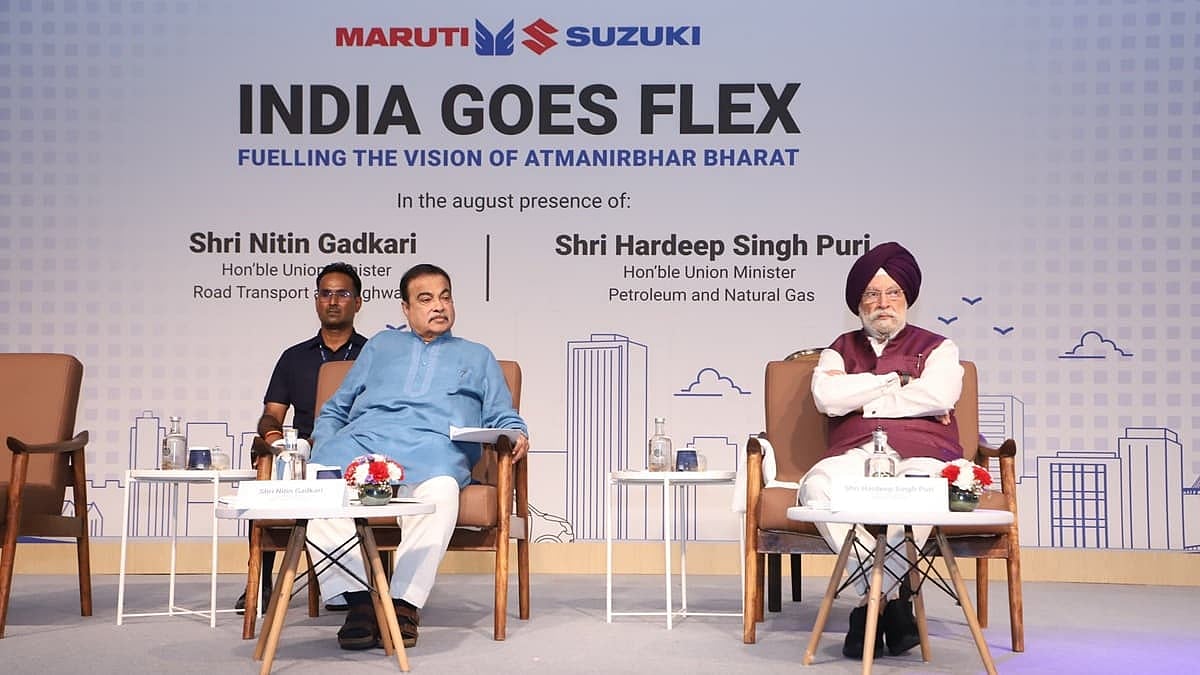
What’s the News?
- India is accelerating the expansion of its ethanol-based fuel infrastructure to support cleaner transportation and reduce dependence on imported fossil fuels.
- The government plans to establish around 5,000 ethanol fuel stations by the end of 2027, significantly expanding the current network.
- Initial rollout is focused on major urban centres including Delhi-NCR, Pune, Mumbai, Bengaluru, Hyderabad and Chennai.
- The initiative supports India's broader goals of energy security, emission reduction, and biofuel promotion.
Ethanol Fuel Network Expansion
- Ethanol fuel stations will primarily supply:
- E100 (100% ethanol fuel) for compatible vehicles.
- Higher ethanol blends for flex-fuel vehicles.
- The expansion is being undertaken in coordination with:
- Public Sector Oil Marketing Companies (OMCs).
- Automobile manufacturers developing flex-fuel vehicle technology.
- The programme aims to create a nationwide ecosystem for ethanol production, distribution and consumption.
Why is Ethanol Important?
- Ethanol is a renewable biofuel produced mainly from:
- Sugarcane juice
- Molasses
- Damaged food grains
- Surplus agricultural produce
- Benefits include:
- Reduced crude oil imports.
- Lower greenhouse gas emissions.
- Additional income opportunities for farmers.
- Diversification of agricultural markets.
Link with India's Biofuel Strategy
- The initiative aligns with the National Policy on Biofuels, 2018.
- Supports India's target of increasing biofuel usage in the transport sector.
- Complements the ongoing Ethanol Blended Petrol (EBP) Programme.
- India has already achieved the milestone of 20% ethanol blending (E20) ahead of the original target timeline.
Additional Info
National Policy on Biofuels, 2018
- Promotes production and use of biofuels in India.
- Categorises biofuels into:
- Basic Biofuels
- First Generation (1G) Bioethanol
- Biodiesel
- Advanced Biofuels
- Second Generation (2G) Ethanol
- Bio-CNG
- Aviation Biofuel
- Basic Biofuels
- Encourages use of surplus food grains and agricultural residues for ethanol production.
Ethanol Blended Petrol (EBP) Programme
- Implemented by the Government of India to blend ethanol with petrol.
- Objectives:
- Reduce import dependence.
- Improve farmer incomes.
- Lower vehicular emissions.
- Promote circular economy in agriculture.
Flex-Fuel Vehicles
- Vehicles capable of operating on:
- Petrol
- Ethanol blends
- Pure ethanol (E100), depending on engine design.
- Considered a key technology for expanding ethanol consumption.
Sources
National Awards for e-Governance 2026 Announced; 17 Digital Governance Projects Honoured
What’s the News?
- The Government of India announced the winners of the National Awards for e-Governance (NAeG) 2026, recognizing outstanding digital governance initiatives across the country.
- A total of 17 projects were selected for awards across multiple categories covering digital transformation, citizen-centric service delivery, innovation, and emerging technologies.
- The awards aim to promote efficient, transparent, accountable, and citizen-focused governance through the use of digital technologies.
National Awards for e-Governance (NAeG)
- Administered by the Department of Administrative Reforms and Public Grievances (DARPG) under the Ministry of Personnel, Public Grievances and Pensions.
- Recognizes excellence in:
- Digital transformation of government processes.
- Citizen-centric service delivery.
- Adoption of emerging technologies.
- Innovation in governance.
- Encourages replication of successful governance models across states and departments.
Major Highlights of NAeG 2026
- 17 projects received national recognition for innovative use of technology in governance.
- Award-winning initiatives came from:
- Central Government ministries and departments.
- State Governments and Union Territories.
- Local governance institutions.
- Research and innovation-driven organizations.
- Focus areas included:
- Digital public service delivery.
- AI-enabled governance solutions.
- Administrative process re-engineering.
- Inclusive and accessible citizen services.
Award Categories
- The 2026 award framework covers seven broad categories:
- Government Process Re-engineering for Digital Transformation
- Innovation through AI and New-Age Technologies
- Citizen-Centric Service Delivery
- District-Level Governance Initiatives
- Grassroots Digital Governance
- Research and Innovation in e-Governance
- Special Governance Excellence Categories
Additional Info
Department of Administrative Reforms and Public Grievances (DARPG)
- Nodal agency for:
- Administrative reforms.
- Public grievance redressal.
- Promotion of e-governance.
- Functions under:
- Ministry of Personnel, Public Grievances and Pensions.
Digital India Programme
- Launched to transform India into a:
- Digitally empowered society.
- Knowledge-based economy.
- Key pillars:
- Digital infrastructure as a utility.
- Governance and services on demand.
- Digital empowerment of citizens.
National Conference on e-Governance (NCeG)
- Annual platform for:
- Policymakers.
- Administrators.
- Technology experts.
- Facilitates exchange of best practices and innovations in governance.
Sources
Government Approves ₹10,000 Crore Aviation Fuel Price Stabilisation Fund

What’s the News?
- The Union Cabinet has approved a ₹10,000 crore Aviation Turbine Fuel (ATF) Price Stabilisation Fund to protect Indian airlines from sharp increases in jet fuel prices caused by global geopolitical disruptions.
- The support will be provided to Oil Marketing Companies (OMCs) as interest-free advances to stabilize ATF prices for scheduled Indian airlines.
- The measure aims to ensure continuity of domestic and international air services, prevent steep airfare hikes, and support the financial viability of airlines.
ATF Price Stabilisation Fund
- A one-time corpus of up to ₹10,000 crore will be provided through the Ministry of Petroleum and Natural Gas.
- The fund will compensate OMCs when international ATF prices exceed a government-determined benchmark price.
- Available to all willing Scheduled Indian Airlines for:
- Domestic operations
- International operations
- The scheme will remain operational for up to 36 months, subject to annual review.
Why Was the Fund Needed?
- Global fuel prices have risen sharply due to the West Asia conflict, significantly increasing ATF costs.
- ATF accounts for nearly 40% of airline operating costs, and during extreme volatility can constitute an even larger share.
- Additional operational costs have emerged due to:
- Longer flight routes caused by regional airspace disruptions.
- Increased fuel consumption on international routes.
- Rising fuel costs threatened:
- Airline profitability.
- Air connectivity.
- Affordable passenger fares.
Features of the Scheme
- Interest-Free Advance
- Government support is provided as interest-free advances to OMCs.
- Fixed Price Mechanism
- Provides greater predictability in fuel costs.
- Reduces airlines' exposure to sudden global fuel price spikes.
- Recovery Mechanism
- When international ATF prices moderate, the support amount will be recovered from OMCs.
- Recovered funds will be returned to the Consolidated Fund of India.
- Monitoring Framework
- A monitoring committee will oversee implementation, reconciliation, claim verification, and settlement.
- All claims will be subject to audit.
Additional Info
Aviation Turbine Fuel (ATF)
- Specialized fuel used by aircraft powered by gas-turbine engines.
- One of the largest cost components for airlines globally.
- Prices are influenced by:
- Crude oil prices.
- International energy markets.
- Geopolitical developments.
Oil Marketing Companies (OMCs)
- Major public-sector OMCs include:
- Indian Oil Corporation
- Bharat Petroleum Corporation Limited
- Hindustan Petroleum Corporation Limited
- Responsible for refining, distribution, and sale of petroleum products, including ATF.
Consolidated Fund of India
- Established under Article 266(1) of the Constitution.
- All revenues received by the Government of India, loans raised, and recoveries are credited to this fund.
- Expenditure from the fund requires parliamentary authorization.
Sources
Indian Navy to Induct Five Indigenous Naval Platforms to Strengthen Blue-Water Capabilities

What’s the News?
- The Indian Navy is set to induct five indigenously built naval platforms, significantly enhancing its maritime capabilities and operational reach.
- The induction reflects India's growing emphasis on self-reliance in defence manufacturing under the Aatmanirbhar Bharat initiative.
- These platforms are expected to strengthen India's presence across the Indian Ocean Region (IOR) and improve its ability to undertake long-range maritime operations.
What are Blue-Water Capabilities?
- A Blue-Water Navy refers to a naval force capable of sustained operations across deep oceans far from its home ports.
- Key characteristics:
- Long-range deployment capability.
- Power projection beyond territorial waters.
- Protection of sea lanes of communication (SLOCs).
- Ability to undertake humanitarian assistance, disaster relief, and expeditionary missions.
Significance of the New Indigenous Platforms
- Enhances:
- Maritime surveillance.
- Anti-submarine warfare capabilities.
- Surface warfare operations.
- Logistics and fleet support.
- Improves India's capacity to:
- Secure critical trade routes.
- Protect maritime interests in the Indo-Pacific.
- Respond to regional security challenges.
- Reduces dependence on foreign defence imports.
Boost to Defence Indigenisation
- The vessels have been constructed by Indian shipyards using a high proportion of indigenous components.
- Supports:
- Domestic shipbuilding ecosystem.
- Indigenous defence technology development.
- Employment generation in the defence manufacturing sector.
- Contributes to the goal of making India a major defence production hub.
Additional Info
Aatmanirbhar Bharat in Defence
- Focuses on:
- Indigenous design, development and manufacturing.
- Reduction of defence imports.
- Promotion of private-sector participation.
- Key initiatives:
- Positive Indigenisation Lists.
- Innovations for Defence Excellence (iDEX).
- Defence Industrial Corridors.
Indian Ocean Region (IOR)**
- Strategic maritime region connecting:
- Asia
- Africa
- Australia
- Carries a major portion of global:
- Oil shipments.
- Container traffic.
- International trade.
Key Naval Commands
- Western Naval Command – Mumbai
- Eastern Naval Command – Visakhapatnam
- Southern Naval Command – Kochi
Important Maritime Initiatives
- SAGAR (Security and Growth for All in the Region)
- India's vision for regional maritime cooperation and security.
- Indo-Pacific Oceans Initiative (IPOI)
- Promotes a free, open, inclusive and rules-based Indo-Pacific.
Sources
United States Becomes India’s Largest LPG Supplier

What’s the News?
- The United States has emerged as India's largest supplier of Liquefied Petroleum Gas (LPG), surpassing traditional West Asian exporters.
- The shift is driven by supply disruptions and logistical uncertainties in the Strait of Hormuz, prompting Indian importers to diversify sourcing.
- Despite this change in LPG imports, Russia continues to remain India's largest supplier of crude oil.
India's LPG Import Shift
- India significantly increased LPG purchases from the US to ensure stable domestic supplies.
- The development reflects India's strategy of:
- Diversifying energy import sources.
- Reducing overdependence on any single region.
- Strengthening energy security amid geopolitical uncertainties.
- The US has become a major global exporter of LPG due to its expanding shale oil and gas production.
Why is LPG Important for India?
- LPG is widely used for:
- Domestic cooking fuel.
- Commercial establishments.
- Industrial applications.
- Demand has grown due to:
- Expansion of clean cooking fuel access.
- Government welfare initiatives.
- Rising urbanization and household consumption.
Role of the Strait of Hormuz
- The Strait of Hormuz is one of the world's most critical energy chokepoints.
- It connects the:
- Persian Gulf
- Gulf of Oman
- Arabian Sea
- A significant share of global:
- Crude oil exports.
- LPG exports.
- LNG shipments. pass through this route.
- Any disruption can affect:
- Energy prices.
- Global supply chains.
- Import-dependent economies like India.
Additional Info
Liquefied Petroleum Gas (LPG)
- A mixture primarily consisting of:
- Propane
- Butane
- Stored and transported in liquid form under pressure.
- Considered a cleaner fuel compared to traditional biomass fuels.
Pradhan Mantri Ujjwala Yojana (PMUY)
- Launched: 2016
- Ministry: Ministry of Petroleum and Natural Gas
- Objective:
- Provide deposit-free LPG connections to poor households.
- Promote clean cooking fuel usage.
- Reduce indoor air pollution.
India's Energy Import Profile
- India imports over 80% of its crude oil requirements.
- Major crude oil suppliers include:
- Russia
- Iraq
- Saudi Arabia
- United Arab Emirates
- Major LPG suppliers include:
- United States
- United Arab Emirates
- Saudi Arabia
- Qatar
Strait of Hormuz
- Located between:
- Iran (north)
- Oman and UAE (south)
- One of the world's most strategically important maritime chokepoints.
Sources
Portugal, Austria, Trinidad and Tobago, and Zimbabwe Elected as Non-Permanent Members of the UN Security Council

What’s the News?
- The United Nations General Assembly (UNGA) elected Portugal, Austria, Trinidad and Tobago, and Zimbabwe as non-permanent members of the United Nations Security Council (UNSC).
- The newly elected countries will serve a two-year term on the Council beginning next year.
- The elections were held to fill seats becoming vacant at the end of the current members’ terms.
- The outcome also highlighted the competitive nature of regional representation in the UN system.
UN Security Council (UNSC)
- The UNSC is the principal organ of the United Nations responsible for maintaining international peace and security.
- It consists of 15 members:
- 5 Permanent Members (P5)
- China
- France
- Russia
- United Kingdom
- United States
- 10 Non-Permanent Members
- Elected by the UN General Assembly for a two-year term.
- 5 Permanent Members (P5)
- Each member has one vote, but the P5 possess veto power.
How are Non-Permanent Members Elected?
- Elections are conducted by the UN General Assembly through secret ballot.
- A candidate must secure a two-thirds majority of members present and voting.
- Seats are distributed according to regional groups:
- African Group
- Asia-Pacific Group
- Latin American and Caribbean Group (GRULAC)
- Western European and Others Group (WEOG)
- Eastern European Group
Why is the UNSC Important?
- Responsible for:
- Maintaining international peace and security.
- Authorizing peacekeeping missions.
- Imposing sanctions.
- Approving collective military action when necessary.
- Its resolutions adopted under the UN Charter are binding on member states.
Additional Info
India and the UNSC
- India has served as a non-permanent member of the UNSC eight times.
- Most recent term:
- 2021–2022
- India advocates:
- Expansion of the UNSC.
- Greater representation for developing countries.
- Permanent membership for India.
G4 Nations
- Group advocating UNSC reforms:
- India
- Germany
- Japan
- Brazil
- Support expansion of both permanent and non-permanent categories of membership.
United Nations General Assembly (UNGA)
- Comprises all 193 UN Member States.
- Functions include:
- Election of non-permanent UNSC members.
- Approval of UN budget.
- Discussion of international issues.
- Decisions are generally non-binding but carry significant political weight.
Sources
NASA Ends MAVEN Mission After More Than a Decade of Mars Exploration

What’s the News?
- NASA has officially concluded the Mars Atmosphere and Volatile EvolutioN (MAVEN) mission after losing contact with the spacecraft and determining that it could not be recovered.
- The spacecraft operated around Mars for over 11 years, greatly exceeding its originally planned mission duration.
- MAVEN made significant contributions to understanding how Mars lost much of its atmosphere and transformed from a potentially habitable planet into the cold, dry world seen today.
What is the MAVEN Mission?
- MAVEN (Mars Atmosphere and Volatile EvolutioN) was NASA's first mission dedicated to studying the upper atmosphere of Mars.
- Objectives:
- Understand atmospheric loss from Mars.
- Study interactions between the Martian atmosphere and the solar wind.
- Determine how climate changes affected the planet's habitability.
- The spacecraft entered Mars orbit in 2014 after being launched in 2013.
Major Scientific Contributions
- Provided evidence that:
- Solar wind continuously strips away the Martian atmosphere.
- Large solar storms accelerate atmospheric erosion.
- Helped explain:
- How Mars lost much of its water and atmosphere over billions of years.
- The transition of Mars from a warmer, wetter environment to its present state.
- Recorded:
- Martian auroras.
- Variations in the ionosphere and magnetosphere.
- Interactions between the atmosphere and space environment.
Why Did the Mission End?
- Communication with MAVEN was lost after the spacecraft passed behind Mars.
- Preliminary investigations suggest:
- The spacecraft entered an unexpected rapid spin.
- Battery power was depleted.
- Recovery efforts were unsuccessful.
- NASA subsequently declared the spacecraft to be in an unrecoverable state and ended the mission.
Additional Info
Mars Atmosphere
- Present atmosphere is:
- Extremely thin.
- Composed mainly of carbon dioxide.
- Atmospheric pressure is less than 1% of Earth's surface pressure.
Solar Wind
- Stream of charged particles emitted by the Sun.
- Can gradually erode planetary atmospheres lacking strong global magnetic fields.
- Mars lost its global magnetic field billions of years ago, making atmospheric escape easier.
Mars Missions of India
- Mars Orbiter Mission (Mangalyaan)
- Launched by ISRO.
- Made India the first Asian nation to reach Mars orbit.
- First country to achieve Mars orbit success on its maiden attempt.
Other Active Mars Orbiters
- Mars Odyssey (NASA)
- Mars Reconnaissance Orbiter (NASA)
- ExoMars Trace Gas Orbiter (ESA-Roscosmos)
Sources
June 2026
Archive
October 2026
- 27 October 2026
- 26 October 2026
- 24 October 2026
- 23 October 2026
- 22 October 2026
- 21 October 2026
- 20 October 2026
- 19 October 2026
- 17 October 2026
- 16 October 2026
- 15 October 2026
- 14 October 2026
- 13 October 2026
- 12 October 2026
- 10 October 2026
- 09 October 2026
- 08 October 2026
- 07 October 2026
- 06 October 2026
- 05 October 2026
- 03 October 2026
- 02 October 2026
- 01 October 2026
September 2026
- 30 September 2026
- 29 September 2026
- 28 September 2026
- 26 September 2026
- 25 September 2026
- 24 September 2026
- 23 September 2026
- 22 September 2026
- 21 September 2026
- 19 September 2026
- 18 September 2026
- 17 September 2026
- 16 September 2026
- 15 September 2026
- 12 September 2026
- 11 September 2026
- 10 September 2026
- 09 September 2026
- 08 September 2026
- 07 September 2026
- 05 September 2026
- 04 September 2026
- 03 September 2026
- 02 September 2026
- 01 September 2026
August 2026
- 31 August 2026
- 29 August 2026
- 27 August 2026
- 26 August 2026
- 25 August 2026
- 24 August 2026
- 22 August 2026
- 21 August 2026
- 20 August 2026
- 19 August 2026
- 18 August 2026
- 17 August 2026
- 14 August 2026
- 13 August 2026
- 12 August 2026
- 11 August 2026
- 10 August 2026
- 08 August 2026
- 07 August 2026
- 06 August 2026
- 05 August 2026
- 04 August 2026
- 03 August 2026
- 01 August 2026
July 2026
- 31 July 2026
- 30 July 2026
- 29 July 2026
- 28 July 2026
- 27 July 2026
- 25 July 2026
- 23 July 2026
- 22 July 2026
- 21 July 2026
- 20 July 2026
- 18 July 2026
- 17 July 2026
- 15 July 2026
- 14 July 2026
- 13 July 2026
- 11 July 2026
- 10 July 2026
- 09 July 2026
- 08 July 2026
- 07 July 2026
- 06 July 2026
- 04 July 2026
- 03 July 2026
- 02 July 2026
- 01 July 2026
June 2026
May 2026
April 2026
March 2026
- 31 March 2026
- 30 March 2026
- 28 March 2026
- 27 March 2026
- 26 March 2026
- 25 March 2026
- 24 March 2026
- 23 March 2026
- 21 March 2026
- 20 March 2026
- 19 March 2026
- 18 March 2026
- 17 March 2026
- 16 March 2026
- 14 March 2026
- 13 March 2026
- 12 March 2026
- 11 March 2026
- 10 March 2026
- 09 March 2026
- 07 March 2026
- 06 March 2026
- 05 March 2026
- 03 March 2026
- 02 March 2026
February 2026
- 28 February 2026
- 27 February 2026
- 26 February 2026
- 25 February 2026
- 24 February 2026
- 23 February 2026
- 21 February 2026
- 20 February 2026
- 19 February 2026
- 18 February 2026
- 17 February 2026
- 16 February 2026
- 13 February 2026
- 12 February 2026
- 11 February 2026
- 10 February 2026
- 09 February 2026
- 07 February 2026
- 06 February 2026
- 05 February 2026
- 04 February 2026
- 03 February 2026
- 02 February 2026
January 2026
- 31 January 2026
- 30 January 2026
- 29 January 2026
- 28 January 2026
- 27 January 2026
- 26 January 2026
- 24 January 2026
- 23 January 2026
- 22 January 2026
- 21 January 2026
- 20 January 2026
- 19 January 2026
- 16 January 2026
- 15 January 2026
- 14 January 2026
- 13 January 2026
- 12 January 2026
- 10 January 2026
- 09 January 2026
- 08 January 2026
- 07 January 2026
- 06 January 2026
- 05 January 2026
- 03 January 2026
- 02 January 2026
- 01 January 2026
December 2025
- 31 December 2025
- 30 December 2025
- 29 December 2025
- 27 December 2025
- 26 December 2025
- 24 December 2025
- 23 December 2025
- 22 December 2025
- 20 December 2025
- 19 December 2025
- 18 December 2025
- 17 December 2025
- 16 December 2025
- 15 December 2025
- 13 December 2025
- 12 December 2025
- 11 December 2025
- 10 December 2025
- 09 December 2025
- 08 December 2025
- 05 December 2025
- 04 December 2025
- 03 December 2025
- 02 December 2025
November 2025
- 29 November 2025
- 28 November 2025
- 27 November 2025
- 26 November 2025
- 25 November 2025
- 24 November 2025
- 22 November 2025
- 21 November 2025
- 20 November 2025
- 19 November 2025
- 18 November 2025
- 17 November 2025
- 15 November 2025
- 14 November 2025
- 13 November 2025
- 12 November 2025
- 11 November 2025
- 10 November 2025
- 08 November 2025
- 07 November 2025
- 06 November 2025
- 05 November 2025
- 04 November 2025
- 03 November 2025
- 01 November 2025
October 2025
- 31 October 2025
- 30 October 2025
- 29 October 2025
- 28 October 2025
- 27 October 2025
- 25 October 2025
- 24 October 2025
- 23 October 2025
- 22 October 2025
- 21 October 2025
- 20 October 2025
- 18 October 2025
- 17 October 2025
- 16 October 2025
- 15 October 2025
- 14 October 2025
- 13 October 2025
- 11 October 2025
- 10 October 2025
- 09 October 2025
- 08 October 2025
- 07 October 2025
- 06 October 2025
- 04 October 2025
- 03 October 2025
- 02 October 2025
- 01 October 2025
September 2025
- 30 September 2025
- 29 September 2025
- 27 September 2025
- 26 September 2025
- 25 September 2025
- 24 September 2025
- 23 September 2025
- 22 September 2025
- 20 September 2025
- 19 September 2025
- 18 September 2025
- 17 September 2025
- 16 September 2025
- 15 September 2025
- 13 September 2025
- 12 September 2025
- 11 September 2025
- 10 September 2025
- 09 September 2025
- 08 September 2025
- 06 September 2025
- 05 September 2025
- 04 September 2025
- 03 September 2025
- 02 September 2025
- 01 September 2025
August 2025
- 30 August 2025
- 29 August 2025
- 28 August 2025
- 27 August 2025
- 26 August 2025
- 25 August 2025
- 23 August 2025
- 22 August 2025
- 21 August 2025
- 20 August 2025
- 19 August 2025
- 18 August 2025
- 16 August 2025
- 14 August 2025
- 13 August 2025
- 12 August 2025
- 11 August 2025
- 08 August 2025
- 07 August 2025
- 06 August 2025
- 05 August 2025
- 04 August 2025
- 02 August 2025
- 01 August 2025
July 2025
- 31 July 2025
- 30 July 2025
- 29 July 2025
- 28 July 2025
- 26 July 2025
- 25 July 2025
- 24 July 2025
- 23 July 2025
- 22 July 2025
- 21 July 2025
- 19 July 2025
- 18 July 2025
- 17 July 2025
- 16 July 2025
- 15 July 2025
- 12 July 2025
- 11 July 2025
- 10 July 2025
- 09 July 2025
- 07 July 2025
- 05 July 2025
- 04 July 2025
- 03 July 2025
- 02 July 2025
- 01 July 2025
June 2025
- 30 June 2025
- 28 June 2025
- 27 June 2025
- 26 June 2025
- 25 June 2025
- 24 June 2025
- 23 June 2025
- 21 June 2025
- 20 June 2025
- 19 June 2025
- 18 June 2025
- 17 June 2025
- 16 June 2025
- 14 June 2025
- 13 June 2025
- 12 June 2025
- 11 June 2025
- 10 June 2025
- 09 June 2025
- 07 June 2025
- 06 June 2025
- 05 June 2025
- 04 June 2025
- 03 June 2025
- 02 June 2025
May 2025
April 2025
- 30 April 2025
- 29 April 2025
- 28 April 2025
- 26 April 2025
- 25 April 2025
- 24 April 2025
- 23 April 2025
- 22 April 2025
- 21 April 2025
- 19 April 2025
- 18 April 2025
- 17 April 2025
- 16 April 2025
- 15 April 2025
- 14 April 2025
- 12 April 2025
- 11 April 2025
- 10 April 2025
- 09 April 2025
- 08 April 2025
- 07 April 2025
- 05 April 2025
- 04 April 2025
- 03 April 2025
- 02 April 2025
- 01 April 2025
March 2025
- 31 March 2025
- 29 March 2025
- 28 March 2025
- 27 March 2025
- 26 March 2025
- 25 March 2025
- 24 March 2025
- 22 March 2025
- 21 March 2025
- 20 March 2025
- 19 March 2025
- 18 March 2025
- 17 March 2025
- 15 March 2025
- 13 March 2025
- 12 March 2025
- 11 March 2025
- 10 March 2025
- 08 March 2025
- 07 March 2025
- 06 March 2025
- 05 March 2025
- 04 March 2025
- 03 March 2025
- 01 March 2025
February 2025
- 28 February 2025
- 27 February 2025
- 26 February 2025
- 25 February 2025
- 24 February 2025
- 22 February 2025
- 21 February 2025
- 20 February 2025
- 19 February 2025
- 18 February 2025
- 17 February 2025
- 15 February 2025
- 14 February 2025
- 13 February 2025
- 12 February 2025
- 11 February 2025
- 10 February 2025
- 08 February 2025
- 07 February 2025
- 06 February 2025
- 05 February 2025
- 04 February 2025
- 03 February 2025
- 01 February 2025
January 2025
- 31 January 2025
- 30 January 2025
- 29 January 2025
- 28 January 2025
- 27 January 2025
- 25 January 2025
- 24 January 2025
- 23 January 2025
- 22 January 2025
- 21 January 2025
- 20 January 2025
- 18 January 2025
- 17 January 2025
- 16 January 2025
- 15 January 2025
- 14 January 2025
- 13 January 2025
- 11 January 2025
- 10 January 2025
- 09 January 2025
- 08 January 2025
- 07 January 2025
- 06 January 2025
- 04 January 2025
- 03 January 2025
- 02 January 2025
- 01 January 2025