
Current Affairs
Stay updated with the latest national and international events.
04 July 2025
“Tax Parity Boost” – NPS‑Style Tax Relief Extended to Unified Pension Scheme
What’s New?
- The Ministry of Finance officially extended tax benefits available under the National Pension System (NPS) to the newly introduced Unified Pension Scheme (UPS) for central government employees.
- Under this, employees choosing UPS will receive tax deductions on contributions:
- Under Section 80CCD(1) – for employee’s own contribution.
- Under Section 80CCD(1B) – additional ₹50,000.
- Under Section 80CCD(2) – employer’s (government) contribution.
Why It Matters
- Tax equity: Employees under UPS now enjoy the same ₹2 lakh combined tax deduction limit (under 80C, 80CCD) as NPS subscribers.
- Promotion of UPS adoption: Tax incentives aim to encourage central government employees to opt for UPS, reinforcing the government's push for a secure and transparent pension system.
- Retirement planning effectiveness: Enhances the financial appeal of UPS, thereby supporting employees' long-term retirement savings goals.
UPS Overview & Eligibility
- Unified Pension Scheme introduced on 1 April 2025 as an optional pension model under NPS framework.
- Covers around 2.3 million central government employees, including new recruits and current NPS subscribers choosing to switch.
- It offers features like assured pension, death gratuity, and minimum pension benefits, bridging the gap between NPS and Old Pension Scheme (OPS).
Lump Sum, Pension Top-Up & Gratuity
- Employees retired before 31 March 2025 with 10+ years of service or their spouses can opt for:
- A one-time lump sum, based on service duration and salary.
- Monthly top-up if current NPS annuity is lower than UPS entitlement.
- Gratuity benefits (up to ₹25 lakhs) and death gratuity, similar to OPS, adopted under UPS.
Option Window & Implementation Support
- Employees had a one-time window until 30 June 2025 to opt into UPS; amendments may extend this deadline due to limited uptake.
- Claims by retirees were accepted via offline/online channels through NSDL-PFRDA’s portal.
Simplified Summary
- UPS is an NPS-like pension option launched in April 2025 that now qualifies for full tax deductions similar to NPS.
- Eligible government employees and retirees enjoy added financial benefits—lump sum, pension top-ups, and gratuity—making retirement planning more secure.
- With tax parity, the government aims to ease the transition to UPS and bolster enrolment.
Exam Focus Points
| Theme | Insights |
|---|---|
| What & When | UPS launched Apr 2025; tax benefits extended in July 2025 |
| Tax Benefits | Deductions under 80CCD(1), (1B), (2), matching NPS |
| Who Benefits | ~23 lakh central govt employees; retirees pre‑Mar 2025 & spouses |
| Financial Elements | Lump sum, monthly top-up, gratuity, death benefit |
| Policy Objective | Enhance pension appeal, ensure fiscal transparency |
| Administrative Details | Claim window April–June 2025, online/offline filing |
National Consumer Helpline Facilitates ₹7.14 Crore Refund in Just Two Months

What’s New?
- The National Consumer Helpline (NCH) secured ₹7.14 crore in refunds for consumers between April 25 and June 30, 2025, by resolving 15,426 grievances across 30 sectors, especially e‑commerce where ₹3.69 crore was refunded from 8,919 cases.
- The platform typically achieves swift redressal—refunds often processed within 3–4 days of grievance registration.
Role of National Consumer Helpline
- Operated under the Department of Consumer Affairs, NCH offers a pre‑litigation grievance redressal mechanism via toll‑free 1915 (also reachable through WhatsApp/SMS/UMANG/NCH app) in 17 languages.
- Part of the INGRAM portal, it connects consumers, companies, regulators, and ombudsmen for faster resolution.
Why E‑Commerce Gripes Are Rising
- A surge in online shopping has brought an increase in issues like delayed refunds, product misrepresentation, and cancellation frustrations.
- NCH’s significant focus and success in this area highlight the need for stronger consumer awareness, platform accountability, and regulatory enforcement under the Consumer Protection Act, 2019.
Past Student Refund Campaigns
- In 2023–24, NCH helped students recover ₹1 crore from coaching centers (UPSC, IIT, CA, medical), addressing 16,276 grievances, up from just 5,351 in 2022–23.
- Notable success stories include a Bengaluru student reclaiming ₹3.5 lakh and another from Gujarat receiving ₹8.36 lakh.
Additional Info
- Consumer Protection Act, 2019: Empowers the Central Consumer Protection Authority (CCPA), supports alternate dispute redressal, and penalizes unfair trade.
- Department of Consumer Affairs: Oversees NCH, promotes consumer education, and implements the INGRAM system.
- E‑commerce definition: Encompasses buying/selling via digital platforms.
- Pre‑litigation vs. Litigation: NCH functions before disputes escalate to Consumer Commissions (District, State, National).
Simplified Summary
- NCH efficiently resolved 15,426 consumer complaints and processed ₹7.14 crore in refunds in just two months.
- Over half of complaints were from e‑commerce, demonstrating platform vulnerabilities.
- Acting as a bridge between consumers and companies, NCH helps reduce court backlogs and drives fast, equitable outcomes.
- Earlier campaigns showed NCH’s role in protecting student interests and enforcing transparent practices in the coaching sector.
Exam Focus Points
- NCH: A pre‑litigation grievance redressal platform under the Department of Consumer Affairs, using toll‑free 1915, digital channels, and INGRAM.
- Key Outcome: ₹7.14 crore refunded (Apr–Jun 2025), 15,426 cases resolved; e‑commerce sector most impacted.
- Efficiency: Typical resolution within 3–4 days.
- Legal Context: Operates under the Consumer Protection Act, 2019, aligning with CCPA and causal focus on alternate resolution mechanisms.
- Student Campaigns: ₹1 crore recovered in 2023–24 for coaching aspirants; reflects rising awareness and enforcement.
- Static Details: Toll‑free access, languages supported, operational hours (8 AM–8 PM), and the INGRAM integrated mechanism enhancing stakeholder convergence.
Pocket‑Sized Sensor Tracks Toxic Sulfur Dioxide (SO₂) at Trace Levels

What’s New?
- Scientists at the Centre for Nano and Soft Matter Sciences (CeNS), Bengaluru—under the DST—have developed a low‑cost, pocket-sized sensor that can detect toxic sulfur dioxide (SO₂) at extremely low concentrations (as low as 320 ppb).
- The sensor combines nickel oxide (NiO) as the receptor and neodymium nickelate (NdNiO₃) as the transducer, enabling real-time monitoring with an easy-to-understand visual alert system: green (safe), yellow (warning), red (danger).
Role of National Institute – CeNS & DST
- CeNS is an autonomous research institution under the Department of Science & Technology (DST), focused on nanomaterials and soft-matter science.
- Its mission includes translating material science breakthroughs into affordable, real-world applications, such as this sensor.
Why Detect SO₂ at Trace Levels?
- SO₂, released from vehicles, industrial processes, and coal combustion, is a harmful air pollutant triggering throat irritation, asthma attacks, and long-term lung damage.
- Standard monitoring systems are often expensive, energy-intensive, or unable to detect low-level SO₂—limiting early detection and public safety.
How the Sensor Works
- NiO chemically reacts with SO₂ (acts as receptor).
- NdNiO₃ converts this reaction into a clear electrical signal (acts as transducer).
- The device shows real-time data via easily readable alerts, making it usable even by non-experts.
Applications & Impact
- Urban air quality: can monitor SO₂ in cities and public spaces.
- Industrial safety: ideal for factories, power plants, and enclosed work areas.
- Public health tool: helps prevent exposure in vulnerable environments.
- Portable & cost-effective: supports widespread adoption and early warning systems.
Additional Info
- SO₂ health norms: Long-term 8 h exposure limit ~2 ppm, short-term 10 min limit ~5 ppm.
- Existing sensors: Commercial SO₂ sensors often require high operating temperatures, leading to higher power use, shorter lifespan, and are less safe in explosive environments. The new sensor avoids these drawbacks.
- Earlier tech: BARC developed a room-temperature SnO₂ sensor detecting 2 ppm SO₂, but the CeNS sensor offers higher sensitivity (320 ppb) and pocket-sized portability.
Simplified Summary
- What’s new: CeNS developed a compact, cheap SO₂ sensor detecting as low as 320 ppb, with visual warning alerts.
- Why it matters: SO₂ is a serious pollutant; early detection can prevent health risks.
- How it works: Uses NiO + NdNiO₃ nanomaterials; operates at room temperature, eco-friendly and safe.
- Where it applies: Cities, industrial zones, and enclosed areas—accessible even to non-scientists.
Exam Focus Points
- CeNS (Bengaluru): DST-supported institute known for nanotech-led solutions.
- Innovation: NiO + NdNiO₃ sensor detecting trace SO₂ (320 ppb)—far more sensitive than commercial equivalents.
- Health relevance: SO₂ exposure causes respiratory issues; standards for safe exposure are 2 ppm (8 h), 5 ppm (10 min).
- Advantages: Low-cost, portable, low-power, real-time alerts—no special training required.
- Comparison: Improves upon BARC's SnO₂ sensors (2 ppm detection) by offering better sensitivity and usability.
- Broader implications: Enhances air quality management, supports occupational safety, and promotes environmental health, aligning with SDGs on clean air and public health.
Russia Becomes the First Country to Recognise Taliban Government of Afghanistan
What’s New?
- Russia officially accepted the credentials of Gul Hassan Hassan as the Taliban’s ambassador in Moscow, becoming the first country globally to formally recognise the Taliban government that returned to power in August 2021.
- According to the Russian Foreign Ministry, this recognition aims to enhance bilateral cooperation in trade, energy, transport, agriculture, infrastructure, and counter‑terrorism.
- Russia had already removed the Taliban from its terrorist list in April 2025, and maintained its embassy in Kabul post-Western withdrawal.
Context & Implications
- Historic shift: During their previous rule (1996–2001), the Taliban were recognised only by Pakistan, Saudi Arabia, and UAE.
- Strategic motive: Russia views the Taliban as an ally in combating ISIS-K and seeks to bolster regional security.
- Diplomatic impact: With Russia taking this official step, countries like China, UAE, Pakistan, Uzbekistan, which have informal ties, may be influenced to follow.
- Human-rights concerns: Western nations continue to withhold recognition due to Taliban’s severe restrictions on women’s education, mobility, and public life.
Additional Info
- Taliban regime (Akhund cabinet): Comprised only of male members; the Ministry of Women’s Affairs is abolished.
- Diplomatic norms: Recognition involves formal acceptance of credentials, distinct from simply accepting diplomats. Russia opened its Kabul embassy in 2021 and accredited Taliban envoys in Russia since 2022.
- Soviet-Afghan links: Russia (formerly USSR) fought a decade-long war in Afghanistan (1979–1989) against mujahideen—early Taliban predecessors.
- Criteria for global recognition: Western policy often demands Taliban allow girls’ education, women's rights, inclusive governance, and reduce terrorist affiliations, none of which have substantially improved.
Simplified Summary
- Event: Russia officially recognised the Taliban-led Afghan government by accepting its ambassador's credentials—the first to do so since 2021.
- Why it matters: This breakthrough paves the way for formal trade, security, and infrastructure collaboration between Russia and Afghanistan, and may encourage other countries to follow.
- Concerns: The Taliban continues to enforce harsh restrictions on women and lacks inclusivity, drawing criticism and hindering wider acceptance.
- Historical scope: Russia had already delisted the Taliban as terrorists, kept diplomatic channels open, and is now deepening official ties.
Exam Focus Points
- Diplomatic recognition: Signifies formal acknowledgement of a government, including acceptance of ambassadorial credentials.
- Russia–Taliban shift: Russia removed the Taliban from its terrorist list (April 2025) and recognised them (July 2025), signalling a strategic pivot.
- Geostrategic goals: Access to energy corridors, counter‑terrorism cooperation (e.g., ISIS‑K), and influence in Central/South Asia.
- Women's rights angle: Taliban bans on women's education beyond grade 6 and curbs on public presence are key barriers to global acceptance.
- Historical ties: Russia-Afghanistan relations span from the 1980s Soviet invasion to contemporary diplomatic resilience in Kabul.
- Precedent: Earlier Taliban rule (1996–2001) saw recognition only from Pakistan, Saudi Arabia, UAE—Russia breaks pattern.
C‑FLOOD: India’s Web Portal for Village‑Level Flood Forecasting
What’s New?
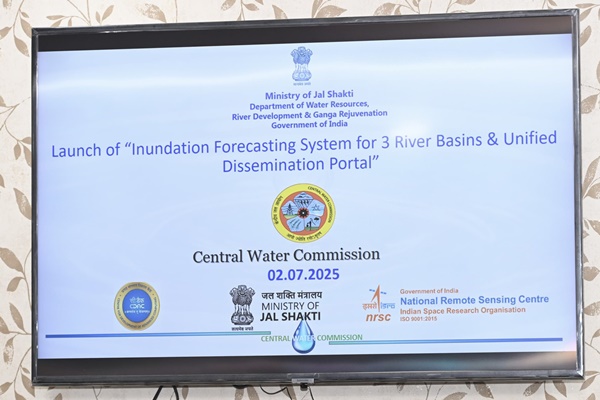
- Union Jal Shakti Minister C. R. Patil launched C‑FLOOD, a web‑based unified inundation forecasting system that provides 48-hour flood forecasts down to the village level for enhanced disaster preparedness.
- The portal currently covers the Mahanadi, Godavari, and Tapi river basins, with plans to expand nationwide.
Role of the Portal
- Developed by C-DAC (Pune) and the Central Water Commission (CWC), with input from NRSC (ISRO) under the National Hydrology Project.
- Powered by 2-D hydrodynamic modelling, run on supercomputers under the National Supercomputing Mission (NSM) jointly led by MeitY and DST.
- Integrates real-time hydrological data, satellite images, and digital elevation models to generate accurate inundation maps and water-level alerts.
Why This Matters
- By offering 48-hour advance warnings, C‑FLOOD enables early evacuations, resource deployment, and infrastructure protection at the local level.
- Covers over 40 million hectares (≈12% of India) that are flood-prone—now with village-level granularity.
- Serves as a central decision-support tool for disaster management authorities, improving coordination and timely responses.
Additional Info
- CWC: Nodal body under Ministry of Jal Shakti responsible for flood warnings and water resource management.
- C-DAC: Develops high-performance computing systems and hydrological models.
- NRSC (ISRO): Provides remote-sensing data under the National Hydrology Project.
- NSM: Launched in 2015 by MeitY and DST to build nation-wide supercomputing capacity.
- NDEM: Portal where flood forecasts are integrated for national emergency response.
- 2-D Hydrodynamic Modelling: Simulates water flow across landscapes to predict flood spread and depth.
Simplified Summary
- What it is: A digital platform offering 48-hour advance flood forecasts, complete with inundation maps and water level predictions.
- Coverage: Initially the Mahanadi, Godavari, and Tapi basins; planned expansion across India.
- Backed by: High-end technology—supercomputers, satellite data, and hydrodynamic models.
- Purpose: Helps local responders, Panchayats, and citizens prepare early, reducing flood impact.
Exam Focus Points
- C‑FLOOD: India’s first village-level flood forecasting portal, launched July 2025 by Jal Shakti Ministry.
- Stakeholder synergy: CWC + C-DAC + NRSC, under the National Supercomputing Mission (MeitY & DST).
- Technical edge: Uses 2‑D modelling, satellite inputs, and HPC for precision forecasts.
- Policy tie-ins: Linked with National Disaster Management Emergency Response Portal (NDEM).
- Climate resilience: Aligns with Digital India, Smart Cities, and climate adaptation missions.
- Quantitative data: Covers ~40 million ha initially across 3 basins; caters to 48-hour alerts; part of NSM since 2015.
Quad Launches Critical Minerals Initiative to Counter China’s Dominance
What’s New?
- At the Quad Foreign Ministers’ Meeting held in Washington, D.C. on July 2, 2025, leaders from India, the U.S., Australia, and Japan launched the Quad Critical Minerals Initiative.
- This strategic move aims to strengthen economic security and resilience by securing and diversifying supply chains of critical minerals and rare earths—key for EVs, batteries, drones, semiconductors, and military tech.
Why the Focus on Critical Minerals?
- Minerals like lithium, nickel, graphite, and rare‑earth elements are essential for advanced technologies.
- China currently dominates both mining and midstream processing for these minerals, raising concerns about price manipulation, supply disruptions, and coercive trade practices.
- Quad ministers cited alarm over “abrupt constriction” and long-term reliability of critical mineral supply chains.
Quad’s Strategy & Scope
- The initiative will encompass mineral recovery, exploration, mining, processing, refining, and investment mobilization in cooperation with private sector stakeholders.
- It is part of a broader Quad agenda including maritime security, emerging technologies, logistics networks, and infrastructure development like the upcoming Quad Ports of the Future Partnership (conference in Mumbai, Oct 2025).
Strategic Significance
- The move reflects Quad’s shift from rhetoric to "action‑oriented cooperation"—aimed at reducing dependence on China, strengthening supply chain resilience, and ensuring economic and national security.
- Ministers also voiced concern about China’s assertiveness in the East and South China Seas, reinforcing the initiative’s geopolitical underpinnings.
Additional Info
- Quad (Quadrilateral Security Dialogue): Strategic partnership of India, USA, Australia, Japan, revived in 2017 to ensure a free and open Indo‑Pacific.
- Critical minerals: Natural resources essential for clean energy, high‑tech, and defence industries.
- China’s dominance: Controls much of the world’s rare earth mining, refining capacity, and supply chain middle‑segments.
Simplified Summary
- What: Quad launched a joint framework to secure critical mineral supply chains.
- Why: Reduce reliance on China, avoid supply risks, and protect national interests.
- How: Through cooperation across the full supply chain—mining to refining—leveraging private sector and national capacities.
- Broader angle: Tied to maritime security, logistics networks, and infrastructure collaboration.
Exam Focus Points
- Quad Critical Minerals Initiative (July 2, 2025): Secures critical mineral supply by diversifying away from China.
- Strategic rationale: Shield industries from economic coercion (price manipulation, export controls).
- Scope of cooperation: Exploration, recovery, processing, refining, and investment across Quad countries.
- Complementary Quad goals: Maritime security, logistics networks (Ports of the Future), technology collaboration.
- India’s role: Active participant; EAM Jaishankar attended meeting and highlighted focus on mineral recovery.
- Geopolitical context: Reflects increasing strategic competition with China and broader agenda to counter its regional influence.
July 2025
31 July 202530 July 202529 July 202528 July 202526 July 202525 July 202524 July 202523 July 202522 July 202521 July 202519 July 202518 July 202517 July 202516 July 202515 July 202512 July 202511 July 202510 July 202509 July 202507 July 202505 July 202504 July 202503 July 202502 July 202501 July 2025
Archive
October 2026
- 28 October 2026
- 27 October 2026
- 26 October 2026
- 24 October 2026
- 23 October 2026
- 22 October 2026
- 21 October 2026
- 20 October 2026
- 19 October 2026
- 17 October 2026
- 16 October 2026
- 15 October 2026
- 14 October 2026
- 13 October 2026
- 12 October 2026
- 10 October 2026
- 09 October 2026
- 08 October 2026
- 07 October 2026
- 06 October 2026
- 05 October 2026
- 03 October 2026
- 02 October 2026
- 01 October 2026
September 2026
- 30 September 2026
- 29 September 2026
- 28 September 2026
- 26 September 2026
- 25 September 2026
- 24 September 2026
- 23 September 2026
- 22 September 2026
- 21 September 2026
- 19 September 2026
- 18 September 2026
- 17 September 2026
- 16 September 2026
- 15 September 2026
- 12 September 2026
- 11 September 2026
- 10 September 2026
- 09 September 2026
- 08 September 2026
- 07 September 2026
- 05 September 2026
- 04 September 2026
- 03 September 2026
- 02 September 2026
- 01 September 2026
August 2026
- 31 August 2026
- 29 August 2026
- 27 August 2026
- 26 August 2026
- 25 August 2026
- 24 August 2026
- 22 August 2026
- 21 August 2026
- 20 August 2026
- 19 August 2026
- 18 August 2026
- 17 August 2026
- 14 August 2026
- 13 August 2026
- 12 August 2026
- 11 August 2026
- 10 August 2026
- 08 August 2026
- 07 August 2026
- 06 August 2026
- 05 August 2026
- 04 August 2026
- 03 August 2026
- 01 August 2026
July 2026
- 31 July 2026
- 30 July 2026
- 29 July 2026
- 28 July 2026
- 27 July 2026
- 25 July 2026
- 23 July 2026
- 22 July 2026
- 21 July 2026
- 20 July 2026
- 18 July 2026
- 17 July 2026
- 15 July 2026
- 14 July 2026
- 13 July 2026
- 11 July 2026
- 10 July 2026
- 09 July 2026
- 08 July 2026
- 07 July 2026
- 06 July 2026
- 04 July 2026
- 03 July 2026
- 02 July 2026
- 01 July 2026
June 2026
May 2026
April 2026
March 2026
- 31 March 2026
- 30 March 2026
- 28 March 2026
- 27 March 2026
- 26 March 2026
- 25 March 2026
- 24 March 2026
- 23 March 2026
- 21 March 2026
- 20 March 2026
- 19 March 2026
- 18 March 2026
- 17 March 2026
- 16 March 2026
- 14 March 2026
- 13 March 2026
- 12 March 2026
- 11 March 2026
- 10 March 2026
- 09 March 2026
- 07 March 2026
- 06 March 2026
- 05 March 2026
- 03 March 2026
- 02 March 2026
February 2026
- 28 February 2026
- 27 February 2026
- 26 February 2026
- 25 February 2026
- 24 February 2026
- 23 February 2026
- 21 February 2026
- 20 February 2026
- 19 February 2026
- 18 February 2026
- 17 February 2026
- 16 February 2026
- 13 February 2026
- 12 February 2026
- 11 February 2026
- 10 February 2026
- 09 February 2026
- 07 February 2026
- 06 February 2026
- 05 February 2026
- 04 February 2026
- 03 February 2026
- 02 February 2026
January 2026
- 31 January 2026
- 30 January 2026
- 29 January 2026
- 28 January 2026
- 27 January 2026
- 26 January 2026
- 24 January 2026
- 23 January 2026
- 22 January 2026
- 21 January 2026
- 20 January 2026
- 19 January 2026
- 16 January 2026
- 15 January 2026
- 14 January 2026
- 13 January 2026
- 12 January 2026
- 10 January 2026
- 09 January 2026
- 08 January 2026
- 07 January 2026
- 06 January 2026
- 05 January 2026
- 03 January 2026
- 02 January 2026
- 01 January 2026
December 2025
- 31 December 2025
- 30 December 2025
- 29 December 2025
- 27 December 2025
- 26 December 2025
- 24 December 2025
- 23 December 2025
- 22 December 2025
- 20 December 2025
- 19 December 2025
- 18 December 2025
- 17 December 2025
- 16 December 2025
- 15 December 2025
- 13 December 2025
- 12 December 2025
- 11 December 2025
- 10 December 2025
- 09 December 2025
- 08 December 2025
- 05 December 2025
- 04 December 2025
- 03 December 2025
- 02 December 2025
November 2025
- 29 November 2025
- 28 November 2025
- 27 November 2025
- 26 November 2025
- 25 November 2025
- 24 November 2025
- 22 November 2025
- 21 November 2025
- 20 November 2025
- 19 November 2025
- 18 November 2025
- 17 November 2025
- 15 November 2025
- 14 November 2025
- 13 November 2025
- 12 November 2025
- 11 November 2025
- 10 November 2025
- 08 November 2025
- 07 November 2025
- 06 November 2025
- 05 November 2025
- 04 November 2025
- 03 November 2025
- 01 November 2025
October 2025
- 31 October 2025
- 30 October 2025
- 29 October 2025
- 28 October 2025
- 27 October 2025
- 25 October 2025
- 24 October 2025
- 23 October 2025
- 22 October 2025
- 21 October 2025
- 20 October 2025
- 18 October 2025
- 17 October 2025
- 16 October 2025
- 15 October 2025
- 14 October 2025
- 13 October 2025
- 11 October 2025
- 10 October 2025
- 09 October 2025
- 08 October 2025
- 07 October 2025
- 06 October 2025
- 04 October 2025
- 03 October 2025
- 02 October 2025
- 01 October 2025
September 2025
- 30 September 2025
- 29 September 2025
- 27 September 2025
- 26 September 2025
- 25 September 2025
- 24 September 2025
- 23 September 2025
- 22 September 2025
- 20 September 2025
- 19 September 2025
- 18 September 2025
- 17 September 2025
- 16 September 2025
- 15 September 2025
- 13 September 2025
- 12 September 2025
- 11 September 2025
- 10 September 2025
- 09 September 2025
- 08 September 2025
- 06 September 2025
- 05 September 2025
- 04 September 2025
- 03 September 2025
- 02 September 2025
- 01 September 2025
August 2025
- 30 August 2025
- 29 August 2025
- 28 August 2025
- 27 August 2025
- 26 August 2025
- 25 August 2025
- 23 August 2025
- 22 August 2025
- 21 August 2025
- 20 August 2025
- 19 August 2025
- 18 August 2025
- 16 August 2025
- 14 August 2025
- 13 August 2025
- 12 August 2025
- 11 August 2025
- 08 August 2025
- 07 August 2025
- 06 August 2025
- 05 August 2025
- 04 August 2025
- 02 August 2025
- 01 August 2025
July 2025
- 31 July 2025
- 30 July 2025
- 29 July 2025
- 28 July 2025
- 26 July 2025
- 25 July 2025
- 24 July 2025
- 23 July 2025
- 22 July 2025
- 21 July 2025
- 19 July 2025
- 18 July 2025
- 17 July 2025
- 16 July 2025
- 15 July 2025
- 12 July 2025
- 11 July 2025
- 10 July 2025
- 09 July 2025
- 07 July 2025
- 05 July 2025
- 04 July 2025
- 03 July 2025
- 02 July 2025
- 01 July 2025
June 2025
- 30 June 2025
- 28 June 2025
- 27 June 2025
- 26 June 2025
- 25 June 2025
- 24 June 2025
- 23 June 2025
- 21 June 2025
- 20 June 2025
- 19 June 2025
- 18 June 2025
- 17 June 2025
- 16 June 2025
- 14 June 2025
- 13 June 2025
- 12 June 2025
- 11 June 2025
- 10 June 2025
- 09 June 2025
- 07 June 2025
- 06 June 2025
- 05 June 2025
- 04 June 2025
- 03 June 2025
- 02 June 2025
May 2025
April 2025
- 30 April 2025
- 29 April 2025
- 28 April 2025
- 26 April 2025
- 25 April 2025
- 24 April 2025
- 23 April 2025
- 22 April 2025
- 21 April 2025
- 19 April 2025
- 18 April 2025
- 17 April 2025
- 16 April 2025
- 15 April 2025
- 14 April 2025
- 12 April 2025
- 11 April 2025
- 10 April 2025
- 09 April 2025
- 08 April 2025
- 07 April 2025
- 05 April 2025
- 04 April 2025
- 03 April 2025
- 02 April 2025
- 01 April 2025
March 2025
- 31 March 2025
- 29 March 2025
- 28 March 2025
- 27 March 2025
- 26 March 2025
- 25 March 2025
- 24 March 2025
- 22 March 2025
- 21 March 2025
- 20 March 2025
- 19 March 2025
- 18 March 2025
- 17 March 2025
- 15 March 2025
- 13 March 2025
- 12 March 2025
- 11 March 2025
- 10 March 2025
- 08 March 2025
- 07 March 2025
- 06 March 2025
- 05 March 2025
- 04 March 2025
- 03 March 2025
- 01 March 2025
February 2025
- 28 February 2025
- 27 February 2025
- 26 February 2025
- 25 February 2025
- 24 February 2025
- 22 February 2025
- 21 February 2025
- 20 February 2025
- 19 February 2025
- 18 February 2025
- 17 February 2025
- 15 February 2025
- 14 February 2025
- 13 February 2025
- 12 February 2025
- 11 February 2025
- 10 February 2025
- 08 February 2025
- 07 February 2025
- 06 February 2025
- 05 February 2025
- 04 February 2025
- 03 February 2025
- 01 February 2025
January 2025
- 31 January 2025
- 30 January 2025
- 29 January 2025
- 28 January 2025
- 27 January 2025
- 25 January 2025
- 24 January 2025
- 23 January 2025
- 22 January 2025
- 21 January 2025
- 20 January 2025
- 18 January 2025
- 17 January 2025
- 16 January 2025
- 15 January 2025
- 14 January 2025
- 13 January 2025
- 11 January 2025
- 10 January 2025
- 09 January 2025
- 08 January 2025
- 07 January 2025
- 06 January 2025
- 04 January 2025
- 03 January 2025
- 02 January 2025
- 01 January 2025