
Current Affairs
Stay updated with the latest national and international events.
03 June 2026
Centre Prepares Three-Year Anti-Narcotics Action Plan

What’s the News?
- The Union Government has prepared a three-year national anti-narcotics action plan to strengthen India's fight against drug trafficking and organized narcotics networks.
- The strategy focuses on dismantling domestic drug cartels, improving inter-agency coordination, enhancing intelligence gathering, and targeting the financial networks behind the narcotics trade.
- New specialized verticals are being established within central enforcement agencies to improve operational effectiveness and data-driven investigations.
- The initiative aligns with the government's broader goal of achieving a drug-free India through coordinated enforcement, prevention, and rehabilitation measures.
Three-Year Anti-Narcotics Action Plan
Key Objectives
- Disrupt and dismantle major drug trafficking syndicates operating within and across India's borders.
- Strengthen intelligence-led operations against narcotics networks.
- Target proceeds of crime and financial assets generated through drug trafficking.
- Enhance coordination among central and state law enforcement agencies.
- Improve monitoring of emerging synthetic drugs and precursor chemicals.
Major Features
- Creation of dedicated operational verticals within federal agencies.
- Greater use of technology, data analytics, and intelligence-sharing platforms.
- Focus on identifying and neutralizing domestic drug cartels.
- Enhanced surveillance of trafficking routes, including coastal and border regions.
- Stronger investigation of money laundering linked to narcotics offences.
- Capacity-building and specialized training for enforcement personnel.
Why is India Vulnerable to Drug Trafficking?
- India lies between two major illicit drug-producing regions:
- Golden Crescent
- Afghanistan
- Iran
- Pakistan
- Golden Triangle
- Myanmar
- Laos
- Thailand
- Golden Crescent
- Extensive land and maritime borders create multiple trafficking routes.
- Growth of synthetic drugs and online drug markets has increased enforcement challenges.
Institutional Framework Against Narcotics
NCB (Narcotics Control Bureau)
- Apex central agency for combating drug trafficking.
- Functions under the Ministry of Home Affairs (MHA).
- Coordinates with state police forces, customs authorities, and international agencies.
NCORD Mechanism
- Narco-Coordination Centre (NCORD) serves as the national platform for:
- Intelligence sharing.
- Coordination among ministries and enforcement agencies.
- Monitoring anti-drug initiatives.
Legal Framework
Narcotic Drugs and Psychotropic Substances (NDPS) Act, 1985
- Principal legislation regulating narcotic drugs and psychotropic substances in India.
- Provides for:
- Prevention of illicit trafficking.
- Investigation and prosecution of offences.
- Seizure and forfeiture of illegally acquired property.
- Regulation of legitimate medical and scientific use.
Additional Info
National Action Plan for Drug Demand Reduction (NAPDDR)
- Implemented by the Ministry of Social Justice and Empowerment.
- Focuses on:
- Awareness generation.
- Preventive education.
- Treatment and rehabilitation.
- Capacity building of service providers.
Financial Investigation in Narcotics Cases
- Increasing emphasis on:
- Tracking proceeds of crime.
- Asset seizure and forfeiture.
- Coordination with anti-money laundering agencies.
- Aims to weaken the economic foundations of drug cartels.
Sources
NFHS-6 Records Rise in Obesity and High Blood Sugar Levels

What’s the News?
- Findings from National Family Health Survey-6 (NFHS-6) indicate a sharp increase in obesity and high blood sugar levels among Indian adults.
- The survey highlights the growing burden of Non-Communicable Diseases (NCDs) alongside persistent public health challenges.
- The trend reflects changing dietary patterns, sedentary lifestyles, urbanization, and an ageing population, posing significant challenges for India's healthcare system.
NFHS-6 Findings on Obesity and Blood Sugar
Obesity Trends
- The proportion of adults classified as overweight or obese (BMI ≥25 kg/m²) has increased substantially compared to previous survey rounds.
- The rise has been observed among:
- Men and women.
- Urban and rural populations.
- Most states and Union Territories.
- Urban populations continue to report higher obesity prevalence, though rural areas are witnessing faster growth.
High Blood Sugar Levels
- The survey recorded an increase in adults with elevated blood sugar levels, indicating a growing risk of:
- Diabetes Mellitus.
- Cardiovascular diseases.
- Kidney disorders.
- The rise was observed across age groups, with prevalence generally increasing with age.
Why is the Trend Concerning?
Health Impact
- Obesity is a major risk factor for:
- Type-2 Diabetes.
- Hypertension.
- Heart Disease.
- Stroke.
- Certain Cancers.
- High blood sugar levels can lead to:
- Diabetes-related complications.
- Vision impairment.
- Kidney failure.
- Nerve damage.
Economic Impact
- Increased healthcare expenditure on chronic diseases.
- Loss of productivity due to illness and disability.
- Greater pressure on public health infrastructure.
National Family Health Survey (NFHS)
About NFHS
- A large-scale, multi-round survey providing data on:
- Population.
- Health.
- Nutrition.
- Family Welfare.
- Conducted under the Ministry of Health and Family Welfare (MoHFW).
- Implemented by the International Institute for Population Sciences (IIPS), Mumbai.
Key Areas Covered
- Maternal and Child Health.
- Nutrition Status.
- Fertility Indicators.
- Immunisation.
- Anaemia.
- Non-Communicable Disease Risk Factors.
- Women's Empowerment.
Government Initiatives to Address NCDs
National Programme for Prevention and Control of Non-Communicable Diseases (NP-NCD)
- Focuses on:
- Early screening.
- Diagnosis.
- Management of NCDs.
- Health promotion activities.
Ayushman Bharat
- Strengthens primary healthcare through Ayushman Arogya Mandirs.
- Promotes screening for:
- Diabetes.
- Hypertension.
- Common cancers.
Fit India Movement
- Encourages physical activity and healthy lifestyles.
- Promotes behavioural changes to reduce lifestyle-related diseases.
Additional Info
Body Mass Index (BMI)
- Indicator used to assess nutritional status.
- Formula:
- Weight (kg) ÷ Height² (m²)
- WHO Classification:
- Underweight: Below 18.5
- Normal: 18.5–24.9
- Overweight: 25–29.9
- Obese: 30 and above
Non-Communicable Diseases (NCDs)
- Diseases that are not transmitted from person to person.
- Major NCDs include:
- Diabetes.
- Cardiovascular Diseases.
- Cancer.
- Chronic Respiratory Diseases.
- Account for nearly two-thirds of deaths in India.
Sources
India Joins Anthropic’s Advanced AI Programme
What’s the News?
- India has been included among more than 15 countries selected to access Anthropic’s Claude Mythos Preview, an advanced AI model focused on cybersecurity and vulnerability detection.
- The access is being provided under Project Glasswing, Anthropic’s international initiative to strengthen cyber defence capabilities among trusted partner nations.
- Indian organisations will gain access to advanced AI tools designed for software security analysis, vulnerability discovery, and cyber threat mitigation.
What is Claude Mythos?
Overview
- Claude Mythos is a specialized AI model developed by Anthropic.
- It is designed primarily for:
- Cybersecurity research.
- Software code analysis.
- Vulnerability identification.
- Cyber defence operations.
- The model can assist in detecting security flaws and recommending fixes before they can be exploited by malicious actors.
Why is Access Restricted?
- Mythos is not publicly available.
- Access is limited due to concerns that highly capable cybersecurity AI tools could potentially be misused for offensive cyber operations.
- Anthropic has adopted a controlled deployment approach by sharing the model only with vetted institutions and critical infrastructure partners.
Project Glasswing
About the Initiative
- Project Glasswing is Anthropic’s global cybersecurity programme.
- It aims to:
- Improve cyber resilience.
- Detect software vulnerabilities faster.
- Strengthen critical infrastructure security.
- Promote responsible deployment of advanced AI systems.
- The initiative is being expanded to around 150 organisations across more than 15 countries.
Participating Countries
- India.
- Japan.
- South Korea.
- Australia.
- Canada.
- New Zealand.
- France.
- Germany.
- Italy.
- Netherlands.
- Spain.
- Belgium.
- Sweden.
- Switzerland, among others.
Significance for India
Strengthening Cybersecurity
- Enhances India's ability to:
- Identify cyber vulnerabilities.
- Protect digital infrastructure.
- Improve cyber incident response.
- Support secure digital governance.
Strategic Technology Access
- Demonstrates growing international confidence in India's:
- Digital ecosystem.
- AI capabilities.
- Cybersecurity expertise.
- Provides exposure to frontier AI technologies that can support indigenous innovation.
Support for Digital India
- Complements India's efforts to build:
- Secure digital public infrastructure.
- Trusted AI ecosystems.
- Cyber-resilient governance systems.
Additional Info
Anthropic
- US-based Artificial Intelligence company.
- Developer of the Claude family of AI models.
- Focuses on:
- AI safety.
- Responsible AI development.
- Alignment research.
IndiaAI Mission
- Flagship initiative of the Ministry of Electronics and Information Technology (MeitY).
- Objectives:
- Build AI computing infrastructure.
- Develop indigenous AI models.
- Promote AI innovation and skilling.
- Strengthen AI research and startups.
Cybersecurity and Critical Infrastructure
- Critical sectors include:
- Power.
- Banking and Financial Services.
- Telecommunications.
- Healthcare.
- Transport.
- Government Digital Services.
- Advanced AI-assisted vulnerability detection can improve resilience against cyberattacks and ransomware threats.
Sources
Bangladesh Elected to Lead 81st UN General Assembly Session
What’s the News?
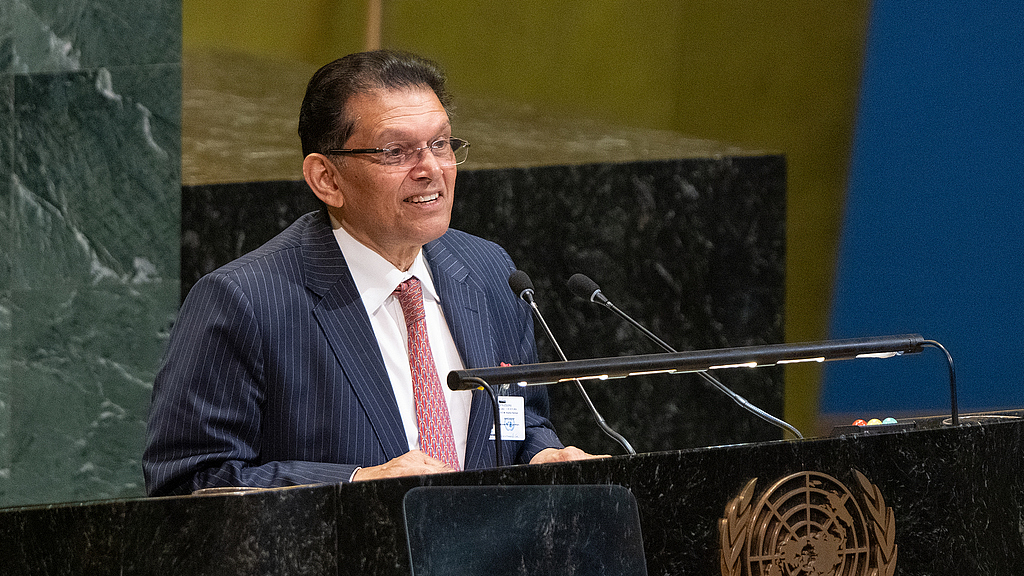
- Bangladesh’s Foreign Minister Dr. Khalilur Rahman has been elected as the President of the 81st Session of the United Nations General Assembly (UNGA).
- He defeated the candidate from Cyprus in a closely contested election held among UN member states.
- Bangladesh will preside over the UN's most representative deliberative body during a period marked by discussions on global governance reforms, sustainable development, peace, and multilateral cooperation.
President of the UN General Assembly (PGA)
Who is the President of the UNGA?
- The President of the United Nations General Assembly (PGA) is elected by UN member states.
- Serves a one-year term.
- Presides over meetings of the General Assembly and facilitates negotiations among member countries.
- Represents the General Assembly in international forums and diplomatic engagements.
Key Functions
- Conducts plenary meetings of the General Assembly.
- Builds consensus on global issues.
- Oversees debates on:
- International peace and security.
- Sustainable development.
- Human rights.
- Climate action.
- UN reforms.
- Facilitates adoption of resolutions and declarations.
Significance for Bangladesh
Diplomatic Achievement
- Reflects Bangladesh’s growing visibility and engagement in multilateral diplomacy.
- Marks Bangladesh's return to the presidency of the General Assembly after nearly four decades.
Enhanced Global Profile
- Provides Bangladesh with greater influence in:
- Global governance discussions.
- Development cooperation.
- South-South cooperation.
- Climate and migration-related negotiations.
Regional Significance
- Strengthens the representation of developing countries within the UN system.
- Highlights the increasing role of South Asian countries in multilateral institutions.
United Nations General Assembly (UNGA)
About UNGA
- One of the six principal organs of the United Nations (UN).
- Established under the UN Charter, 1945.
- Comprises all 193 UN member states.
- Each member state has one vote regardless of size or economic strength.
Powers and Functions
- Discusses and makes recommendations on international issues.
- Approves the UN budget.
- Elects:
- Non-permanent members of the UN Security Council.
- Members of ECOSOC.
- Judges of the International Court of Justice (jointly with the Security Council).
- Appoints the UN Secretary-General upon recommendation of the Security Council.
- Adopts resolutions reflecting global opinion.
Decision-Making
- Important matters generally require a two-thirds majority.
- Other issues are decided by a simple majority.
About Dr. Khalilur Rahman
- Current Foreign Minister of Bangladesh.
- Previously served as:
- National Security Adviser.
- Diplomat and policy expert.
- Representative on international development and refugee-related issues.
- Known for his work in multilateral diplomacy and international cooperation.
Additional Info
Six Principal Organs of the United Nations
- United Nations General Assembly (UNGA)
- United Nations Security Council (UNSC)
- Economic and Social Council (ECOSOC)
- International Court of Justice (ICJ)
- UN Secretariat
- Trusteeship Council (currently inactive)
India and UNGA
- India is a founding member of the United Nations.
- Frequently uses the UNGA platform to advocate:
- UN reforms.
- Counter-terrorism measures.
- Sustainable development.
- Global South priorities.
- Climate justice.
June 2026
Archive
October 2026
- 28 October 2026
- 27 October 2026
- 26 October 2026
- 24 October 2026
- 23 October 2026
- 22 October 2026
- 21 October 2026
- 20 October 2026
- 19 October 2026
- 17 October 2026
- 16 October 2026
- 15 October 2026
- 14 October 2026
- 13 October 2026
- 12 October 2026
- 10 October 2026
- 09 October 2026
- 08 October 2026
- 07 October 2026
- 06 October 2026
- 05 October 2026
- 03 October 2026
- 02 October 2026
- 01 October 2026
September 2026
- 30 September 2026
- 29 September 2026
- 28 September 2026
- 26 September 2026
- 25 September 2026
- 24 September 2026
- 23 September 2026
- 22 September 2026
- 21 September 2026
- 19 September 2026
- 18 September 2026
- 17 September 2026
- 16 September 2026
- 15 September 2026
- 12 September 2026
- 11 September 2026
- 10 September 2026
- 09 September 2026
- 08 September 2026
- 07 September 2026
- 05 September 2026
- 04 September 2026
- 03 September 2026
- 02 September 2026
- 01 September 2026
August 2026
- 31 August 2026
- 29 August 2026
- 27 August 2026
- 26 August 2026
- 25 August 2026
- 24 August 2026
- 22 August 2026
- 21 August 2026
- 20 August 2026
- 19 August 2026
- 18 August 2026
- 17 August 2026
- 14 August 2026
- 13 August 2026
- 12 August 2026
- 11 August 2026
- 10 August 2026
- 08 August 2026
- 07 August 2026
- 06 August 2026
- 05 August 2026
- 04 August 2026
- 03 August 2026
- 01 August 2026
July 2026
- 31 July 2026
- 30 July 2026
- 29 July 2026
- 28 July 2026
- 27 July 2026
- 25 July 2026
- 23 July 2026
- 22 July 2026
- 21 July 2026
- 20 July 2026
- 18 July 2026
- 17 July 2026
- 15 July 2026
- 14 July 2026
- 13 July 2026
- 11 July 2026
- 10 July 2026
- 09 July 2026
- 08 July 2026
- 07 July 2026
- 06 July 2026
- 04 July 2026
- 03 July 2026
- 02 July 2026
- 01 July 2026
June 2026
May 2026
April 2026
March 2026
- 31 March 2026
- 30 March 2026
- 28 March 2026
- 27 March 2026
- 26 March 2026
- 25 March 2026
- 24 March 2026
- 23 March 2026
- 21 March 2026
- 20 March 2026
- 19 March 2026
- 18 March 2026
- 17 March 2026
- 16 March 2026
- 14 March 2026
- 13 March 2026
- 12 March 2026
- 11 March 2026
- 10 March 2026
- 09 March 2026
- 07 March 2026
- 06 March 2026
- 05 March 2026
- 03 March 2026
- 02 March 2026
February 2026
- 28 February 2026
- 27 February 2026
- 26 February 2026
- 25 February 2026
- 24 February 2026
- 23 February 2026
- 21 February 2026
- 20 February 2026
- 19 February 2026
- 18 February 2026
- 17 February 2026
- 16 February 2026
- 13 February 2026
- 12 February 2026
- 11 February 2026
- 10 February 2026
- 09 February 2026
- 07 February 2026
- 06 February 2026
- 05 February 2026
- 04 February 2026
- 03 February 2026
- 02 February 2026
January 2026
- 31 January 2026
- 30 January 2026
- 29 January 2026
- 28 January 2026
- 27 January 2026
- 26 January 2026
- 24 January 2026
- 23 January 2026
- 22 January 2026
- 21 January 2026
- 20 January 2026
- 19 January 2026
- 16 January 2026
- 15 January 2026
- 14 January 2026
- 13 January 2026
- 12 January 2026
- 10 January 2026
- 09 January 2026
- 08 January 2026
- 07 January 2026
- 06 January 2026
- 05 January 2026
- 03 January 2026
- 02 January 2026
- 01 January 2026
December 2025
- 31 December 2025
- 30 December 2025
- 29 December 2025
- 27 December 2025
- 26 December 2025
- 24 December 2025
- 23 December 2025
- 22 December 2025
- 20 December 2025
- 19 December 2025
- 18 December 2025
- 17 December 2025
- 16 December 2025
- 15 December 2025
- 13 December 2025
- 12 December 2025
- 11 December 2025
- 10 December 2025
- 09 December 2025
- 08 December 2025
- 05 December 2025
- 04 December 2025
- 03 December 2025
- 02 December 2025
November 2025
- 29 November 2025
- 28 November 2025
- 27 November 2025
- 26 November 2025
- 25 November 2025
- 24 November 2025
- 22 November 2025
- 21 November 2025
- 20 November 2025
- 19 November 2025
- 18 November 2025
- 17 November 2025
- 15 November 2025
- 14 November 2025
- 13 November 2025
- 12 November 2025
- 11 November 2025
- 10 November 2025
- 08 November 2025
- 07 November 2025
- 06 November 2025
- 05 November 2025
- 04 November 2025
- 03 November 2025
- 01 November 2025
October 2025
- 31 October 2025
- 30 October 2025
- 29 October 2025
- 28 October 2025
- 27 October 2025
- 25 October 2025
- 24 October 2025
- 23 October 2025
- 22 October 2025
- 21 October 2025
- 20 October 2025
- 18 October 2025
- 17 October 2025
- 16 October 2025
- 15 October 2025
- 14 October 2025
- 13 October 2025
- 11 October 2025
- 10 October 2025
- 09 October 2025
- 08 October 2025
- 07 October 2025
- 06 October 2025
- 04 October 2025
- 03 October 2025
- 02 October 2025
- 01 October 2025
September 2025
- 30 September 2025
- 29 September 2025
- 27 September 2025
- 26 September 2025
- 25 September 2025
- 24 September 2025
- 23 September 2025
- 22 September 2025
- 20 September 2025
- 19 September 2025
- 18 September 2025
- 17 September 2025
- 16 September 2025
- 15 September 2025
- 13 September 2025
- 12 September 2025
- 11 September 2025
- 10 September 2025
- 09 September 2025
- 08 September 2025
- 06 September 2025
- 05 September 2025
- 04 September 2025
- 03 September 2025
- 02 September 2025
- 01 September 2025
August 2025
- 30 August 2025
- 29 August 2025
- 28 August 2025
- 27 August 2025
- 26 August 2025
- 25 August 2025
- 23 August 2025
- 22 August 2025
- 21 August 2025
- 20 August 2025
- 19 August 2025
- 18 August 2025
- 16 August 2025
- 14 August 2025
- 13 August 2025
- 12 August 2025
- 11 August 2025
- 08 August 2025
- 07 August 2025
- 06 August 2025
- 05 August 2025
- 04 August 2025
- 02 August 2025
- 01 August 2025
July 2025
- 31 July 2025
- 30 July 2025
- 29 July 2025
- 28 July 2025
- 26 July 2025
- 25 July 2025
- 24 July 2025
- 23 July 2025
- 22 July 2025
- 21 July 2025
- 19 July 2025
- 18 July 2025
- 17 July 2025
- 16 July 2025
- 15 July 2025
- 12 July 2025
- 11 July 2025
- 10 July 2025
- 09 July 2025
- 07 July 2025
- 05 July 2025
- 04 July 2025
- 03 July 2025
- 02 July 2025
- 01 July 2025
June 2025
- 30 June 2025
- 28 June 2025
- 27 June 2025
- 26 June 2025
- 25 June 2025
- 24 June 2025
- 23 June 2025
- 21 June 2025
- 20 June 2025
- 19 June 2025
- 18 June 2025
- 17 June 2025
- 16 June 2025
- 14 June 2025
- 13 June 2025
- 12 June 2025
- 11 June 2025
- 10 June 2025
- 09 June 2025
- 07 June 2025
- 06 June 2025
- 05 June 2025
- 04 June 2025
- 03 June 2025
- 02 June 2025
May 2025
April 2025
- 30 April 2025
- 29 April 2025
- 28 April 2025
- 26 April 2025
- 25 April 2025
- 24 April 2025
- 23 April 2025
- 22 April 2025
- 21 April 2025
- 19 April 2025
- 18 April 2025
- 17 April 2025
- 16 April 2025
- 15 April 2025
- 14 April 2025
- 12 April 2025
- 11 April 2025
- 10 April 2025
- 09 April 2025
- 08 April 2025
- 07 April 2025
- 05 April 2025
- 04 April 2025
- 03 April 2025
- 02 April 2025
- 01 April 2025
March 2025
- 31 March 2025
- 29 March 2025
- 28 March 2025
- 27 March 2025
- 26 March 2025
- 25 March 2025
- 24 March 2025
- 22 March 2025
- 21 March 2025
- 20 March 2025
- 19 March 2025
- 18 March 2025
- 17 March 2025
- 15 March 2025
- 13 March 2025
- 12 March 2025
- 11 March 2025
- 10 March 2025
- 08 March 2025
- 07 March 2025
- 06 March 2025
- 05 March 2025
- 04 March 2025
- 03 March 2025
- 01 March 2025
February 2025
- 28 February 2025
- 27 February 2025
- 26 February 2025
- 25 February 2025
- 24 February 2025
- 22 February 2025
- 21 February 2025
- 20 February 2025
- 19 February 2025
- 18 February 2025
- 17 February 2025
- 15 February 2025
- 14 February 2025
- 13 February 2025
- 12 February 2025
- 11 February 2025
- 10 February 2025
- 08 February 2025
- 07 February 2025
- 06 February 2025
- 05 February 2025
- 04 February 2025
- 03 February 2025
- 01 February 2025
January 2025
- 31 January 2025
- 30 January 2025
- 29 January 2025
- 28 January 2025
- 27 January 2025
- 25 January 2025
- 24 January 2025
- 23 January 2025
- 22 January 2025
- 21 January 2025
- 20 January 2025
- 18 January 2025
- 17 January 2025
- 16 January 2025
- 15 January 2025
- 14 January 2025
- 13 January 2025
- 11 January 2025
- 10 January 2025
- 09 January 2025
- 08 January 2025
- 07 January 2025
- 06 January 2025
- 04 January 2025
- 03 January 2025
- 02 January 2025
- 01 January 2025