
Current Affairs
Stay updated with the latest national and international events.
03 July 2026
India Signs $1 Billion Green Methanol Supply Deal with Japan’s MGC

What’s the News?
ACME Green Molecules Business, part of ACME Group, has signed a binding long-term Purchase and Sale Agreement with Japan’s Mitsubishi Gas Chemical Company to supply 100,000 tonnes per annum of green methanol. The deal is valued at nearly USD 1 billion and is being described as India’s first global green marine fuel collaboration. The green methanol will be produced at ACME’s facility in Paradip, Odisha, strengthening India’s role in low-carbon shipping fuels and green molecule exports.
Green Methanol Deal
- Parties involved:
- ACME Green Molecules Business, India
- Mitsubishi Gas Chemical Company, Japan
- Supply volume: 100,000 tonnes per annum.
- Estimated value: Around USD 1 billion.
- Production location: Paradip, Odisha.
- End-use: Global marine fuel market, especially for shipping-sector decarbonisation.
- Compliance angle: The fuel is expected to be aligned with EU regulations and future International Maritime Organization carbon-intensity norms for shipping fuels.
Green Methanol?
- Methanol formula: CH₃OH; also called methyl alcohol.
- Green methanol: A low-carbon methanol produced through renewable pathways, generally using green hydrogen and captured/biogenic carbon dioxide.
- Uses:
- Marine fuel
- Chemicals and industrial feedstock
- Potential fuel for hard-to-abate sectors
- Why important for shipping?
- Considered an alternative to Heavy Fuel Oil, Very Low Sulphur Fuel Oil, and Marine Gas Oil.
- Can reduce lifecycle carbon emissions.
- Requires only limited changes to existing ship engines and port infrastructure.
RFNBO-Compliant Marine Fuel
- RFNBO: Renewable Fuels of Non-Biological Origin.
- Meaning: Fuels produced using renewable electricity rather than biological feedstock.
- Relevance:
- Important under the EU’s clean-fuel regulatory framework.
- Helps shipping companies meet stricter fuel-emission rules.
- Supports demand for green hydrogen derivatives such as green methanol and green ammonia.
Additional Info
- ACME’s Odisha green molecule projects
- Paradip green methanol project: Linked to the Mitsubishi Gas Chemical supply agreement.
- Gopalpur green ammonia project: 405,000 tonnes per annum, through a joint venture with Japan’s IHI Corporation.
- Paradip green ammonia project: 800,000 tonnes per annum, backed by a Green Ammonia Purchase Agreement with SECI under the National Green Hydrogen Mission’s SIGHT scheme.
- National Green Hydrogen Mission
- Nodal Ministry: Ministry of New and Renewable Energy.
- Initial outlay: ₹19,744 crore.
- SIGHT Programme outlay: ₹17,490 crore.
- Pilot projects: ₹1,466 crore.
- R&D: ₹400 crore.
- Other mission components: ₹388 crore.
- IMO decarbonisation targets
- Carbon intensity of international shipping to reduce by at least 40% by 2030 compared to 2008.
- Zero or near-zero GHG emission technologies, fuels, or energy sources to represent at least 5%, striving for 10%, of energy used by international shipping by 2030.
- Net-zero GHG emissions from international shipping targeted by or around 2050.
Sources
Centre Brings Advanced Cell and Gene Therapies Under Central Licensing

What’s the News?
The Centre has amended the Drugs Rules, 1945 to bring cell or stem cell-derived products, gene therapeutic products, and xenografts under the Centrally License Approving Authority (CLAA) framework. The move aims to ensure uniform regulation of advanced therapies across India, strengthen patient safety, and align regulation with emerging medical technologies.
Drugs Rules Amendment
- The amendment expands the list of critical drugs and biological products requiring joint regulatory supervision by central and state authorities.
- Existing centrally regulated categories include:
- Vaccines
- Large Volume Parenterals: IV solutions above 100 ml
- r-DNA-based medicines
- Newly included categories:
- Cell or stem cell-derived products
- Gene therapeutic products
- Xenografts
Advanced Cell and Gene Therapies
- Cell or stem cell-derived products
- Include stem cell-based regenerative treatments.
- Include CAR-T cell therapies, used in some blood cancers such as leukaemia and lymphoma.
- Gene therapeutic products
- Include gene replacement and gene editing products.
- Used in genetic disorders and certain cancers.
- Xenografts
- Animal tissue-derived products transplanted into humans.
- Examples include animal-derived heart valves used in cardiology and orthopaedics.
CLAA Framework
- CLAA: Centrally License Approving Authority.
- It functions within the Central Drugs Standard Control Organisation (CDSCO).
- It grants approval for manufacture, sale, and import of specified drugs and biological products.
- The framework enables:
- Centralised licensing oversight
- Uniform standards across states
- Higher scrutiny for complex biological products
- Better post-market safety monitoring
Additional Info
- Parent law
- Drugs Rules, 1945 were framed under the Drugs and Cosmetics Act, 1940.
- The Act regulates import, manufacture, distribution, and sale of drugs in India.
- CDSCO
- National regulatory authority for drugs and medical devices.
- Works under the Ministry of Health and Family Welfare.
- Responsible for drug approval, clinical trials, medical device regulation, and quality standards.
Sources
Government Orders Removal of Apps Linked to Remote E-Rickshaw Shutdowns
What’s the News?
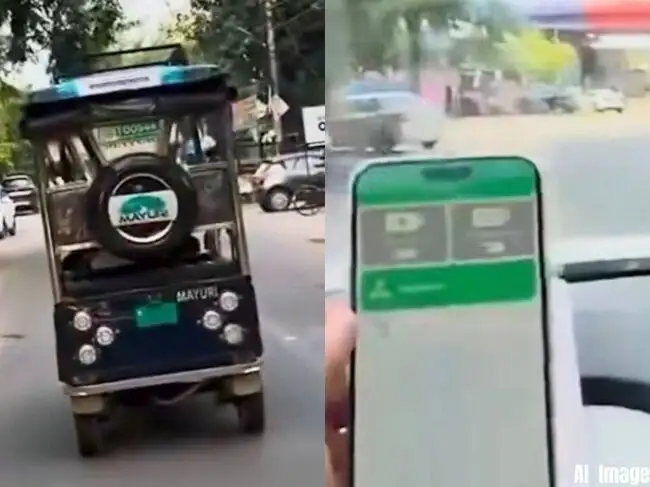
The government has ordered the removal of BAT-BMS, Epoch-i-ion, and Lossigy apps from Indian app stores after reports that they were being misused to remotely disable e-rickshaws. The issue involved Bluetooth-enabled Battery Management Systems (BMS) in lithium-ion batteries, raising concerns over EV cybersecurity, public safety, and app-store due diligence.
BAT-BMS Issue
- The apps were reportedly used to connect to certain e-rickshaw batteries through Bluetooth.
- Some batteries had weak security controls, including lack of password protection or authentication.
- Once connected, users could allegedly switch off the battery discharge function.
- This led to sudden vehicle stoppages, creating risks for drivers, passengers, and road users.
Battery Management System
- BMS is an electronic system used in lithium-ion battery packs.
- It monitors:
- Charge level
- Voltage
- Temperature
- Current flow
- Battery health
- In EVs, BMS is critical for safety, performance, and battery life.
- Bluetooth-enabled BMS allows mobile apps to monitor battery data but can create risks if access controls are weak.
EV Cybersecurity Concerns
- The case shows that electric mobility is not only a transport and energy issue, but also a cybersecurity issue.
- Key risks include:
- Remote vehicle disruption
- Weak authentication in connected components
- Misuse of diagnostic or monitoring apps
- Public safety threats in last-mile transport
Government Response
- MeitY reportedly directed removal of the apps from Android and iOS platforms in India.
- App stores were asked to exercise greater due diligence before allowing potentially harmful applications.
- Delhi’s Transport Department was also directed to verify claims related to misuse of the BAT-BMS app.
Additional Info
- E-rickshaws in India
- Widely used for affordable last-mile urban and semi-urban transport.
- Increasingly use rechargeable lithium-ion battery packs.
- Many vehicles use imported or low-cost battery components.
- Cybersecurity exam angle
- Connected vehicles are part of the Internet of Things ecosystem.
- Cyber risks in EVs may affect:
- Transport safety
- Consumer protection
- Critical mobility infrastructure
- Data and device security
- Relevant institutions
- MeitY: Ministry of Electronics and Information Technology.
- Handles issues related to digital platforms, cybersecurity, and online harms.
Sources
IRDAI Moves to Curb Dark Patterns in Insurance

What’s the News?
The Insurance Regulatory and Development Authority of India (IRDAI) has directed insurers and other regulated entities offering insurance products through digital platforms to curb dark patterns. The regulator has asked entities to comply with Central Consumer Protection Authority (CCPA) guidelines, undertake self-assessment, and submit compliance reports within 15 days. Where non-compliance is found, entities must submit an action plan within one month.
Dark Patterns in Insurance
- Dark patterns are deceptive design practices used in websites or apps to manipulate user behaviour.
- In insurance, they may result in:
- Mis-selling of policies
- Forced data sharing
- Hidden charges
- Difficulty in cancelling policies
- Misleading product comparisons
- Spam calls or repeated nudges to buy products
IRDAI’s Framework
- IRDAI has asked regulated entities to:
- Review their digital sales interfaces.
- Check compliance with CCPA dark-pattern guidelines.
- Submit self-assessment reports.
- Provide corrective action plans where violations are identified.
- The objective is to improve:
- Transparency
- Fair product discovery
- Consumer trust
- Digital insurance governance
Additional Info
- IRDAI
- Statutory regulator for the insurance sector in India.
- Established under the IRDAI Act, 1999.
- Regulates insurers, intermediaries, insurance distribution, and policyholder protection.
- CCPA
- Central Consumer Protection Authority.
- Established under the Consumer Protection Act, 2019.
- Regulates unfair trade practices, misleading advertisements, and consumer-rights violations.
- Examples of dark patterns
- Forced action: Requiring unnecessary personal data before showing product details.
- Subscription trap: Making cancellation difficult.
- Hidden costs: Revealing charges late in the purchase process.
- Confirm-shaming: Guilt-based prompts to influence decisions.
- Interface interference: Making one option visually dominant to manipulate choice.
Sources
WHO Lists First Diagnostic Test for Ebola Bundibugyo Virus
What’s the News?
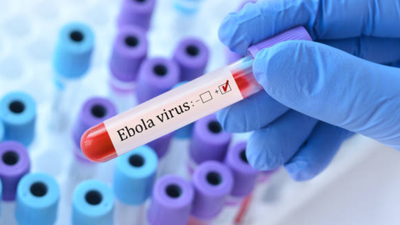
The World Health Organization (WHO) has added the first molecular diagnostic test for Ebola Bundibugyo virus to its Emergency Use Listing (EUL). The test detects the virus by identifying genetic material in blood samples, enabling faster and more reliable confirmation during outbreak response. The listing is significant amid the ongoing outbreak in the Democratic Republic of the Congo and Uganda.
Ebola Bundibugyo Diagnostic Test
- The test is a molecular diagnostic test.
- It detects Bundibugyo virus genetic material in blood samples.
- It helps in:
- Early case confirmation
- Faster patient isolation and care
- Disease surveillance
- Outbreak control
- Public health procurement decisions
Emergency Use Listing
- EUL is a WHO mechanism for assessing health products during public health emergencies.
- It reviews:
- Quality
- Safety
- Performance
- Evidence available during emergency conditions
- It helps governments and UN procurement agencies access reliable diagnostics, medicines, or vaccines in urgent situations.
- It is especially relevant for low- and middle-income countries where outbreak response capacity may be constrained.
Outbreak Context
- The current outbreak is described as the largest recorded outbreak caused by Bundibugyo virus disease.
- Reported figures from the Democratic Republic of the Congo include:
- 1,406 laboratory-confirmed cases
- 438 deaths
- Testing capacity expanded from about 200–400 tests per day at limited sites to more than 2,000 tests per day across 10 laboratories in affected provinces.
Bundibugyo Virus Disease
- It is a severe disease caused by Bundibugyo virus (BDBV).
- BDBV is one of the Ebola virus species known to cause large human outbreaks.
- Transmission may occur:
- From animals to humans
- From infected persons to others
- Through infected bodily fluids
- Through contaminated surfaces or materials
Additional Info
- Ebola virus disease
- Belongs to the filovirus disease group.
- Symptoms may include fever, weakness, vomiting, diarrhoea, bleeding, and multi-organ complications.
- Early detection and isolation are crucial for outbreak control.
- PHEIC
- Public Health Emergency of International Concern.
- Declared by WHO under the International Health Regulations, 2005.
- Used when an event poses international health risk and may require coordinated global response.
- Organisations involved
- WHO
- Africa CDC
- PATH
- FIND
- CHAI
- Unitaid
Sources
July 2026
Archive
October 2026
- 27 October 2026
- 26 October 2026
- 24 October 2026
- 23 October 2026
- 22 October 2026
- 21 October 2026
- 20 October 2026
- 19 October 2026
- 17 October 2026
- 16 October 2026
- 15 October 2026
- 14 October 2026
- 13 October 2026
- 12 October 2026
- 10 October 2026
- 09 October 2026
- 08 October 2026
- 07 October 2026
- 06 October 2026
- 05 October 2026
- 03 October 2026
- 02 October 2026
- 01 October 2026
September 2026
- 30 September 2026
- 29 September 2026
- 28 September 2026
- 26 September 2026
- 25 September 2026
- 24 September 2026
- 23 September 2026
- 22 September 2026
- 21 September 2026
- 19 September 2026
- 18 September 2026
- 17 September 2026
- 16 September 2026
- 15 September 2026
- 12 September 2026
- 11 September 2026
- 10 September 2026
- 09 September 2026
- 08 September 2026
- 07 September 2026
- 05 September 2026
- 04 September 2026
- 03 September 2026
- 02 September 2026
- 01 September 2026
August 2026
- 31 August 2026
- 29 August 2026
- 27 August 2026
- 26 August 2026
- 25 August 2026
- 24 August 2026
- 22 August 2026
- 21 August 2026
- 20 August 2026
- 19 August 2026
- 18 August 2026
- 17 August 2026
- 14 August 2026
- 13 August 2026
- 12 August 2026
- 11 August 2026
- 10 August 2026
- 08 August 2026
- 07 August 2026
- 06 August 2026
- 05 August 2026
- 04 August 2026
- 03 August 2026
- 01 August 2026
July 2026
- 31 July 2026
- 30 July 2026
- 29 July 2026
- 28 July 2026
- 27 July 2026
- 25 July 2026
- 23 July 2026
- 22 July 2026
- 21 July 2026
- 20 July 2026
- 18 July 2026
- 17 July 2026
- 15 July 2026
- 14 July 2026
- 13 July 2026
- 11 July 2026
- 10 July 2026
- 09 July 2026
- 08 July 2026
- 07 July 2026
- 06 July 2026
- 04 July 2026
- 03 July 2026
- 02 July 2026
- 01 July 2026
June 2026
May 2026
April 2026
March 2026
- 31 March 2026
- 30 March 2026
- 28 March 2026
- 27 March 2026
- 26 March 2026
- 25 March 2026
- 24 March 2026
- 23 March 2026
- 21 March 2026
- 20 March 2026
- 19 March 2026
- 18 March 2026
- 17 March 2026
- 16 March 2026
- 14 March 2026
- 13 March 2026
- 12 March 2026
- 11 March 2026
- 10 March 2026
- 09 March 2026
- 07 March 2026
- 06 March 2026
- 05 March 2026
- 03 March 2026
- 02 March 2026
February 2026
- 28 February 2026
- 27 February 2026
- 26 February 2026
- 25 February 2026
- 24 February 2026
- 23 February 2026
- 21 February 2026
- 20 February 2026
- 19 February 2026
- 18 February 2026
- 17 February 2026
- 16 February 2026
- 13 February 2026
- 12 February 2026
- 11 February 2026
- 10 February 2026
- 09 February 2026
- 07 February 2026
- 06 February 2026
- 05 February 2026
- 04 February 2026
- 03 February 2026
- 02 February 2026
January 2026
- 31 January 2026
- 30 January 2026
- 29 January 2026
- 28 January 2026
- 27 January 2026
- 26 January 2026
- 24 January 2026
- 23 January 2026
- 22 January 2026
- 21 January 2026
- 20 January 2026
- 19 January 2026
- 16 January 2026
- 15 January 2026
- 14 January 2026
- 13 January 2026
- 12 January 2026
- 10 January 2026
- 09 January 2026
- 08 January 2026
- 07 January 2026
- 06 January 2026
- 05 January 2026
- 03 January 2026
- 02 January 2026
- 01 January 2026
December 2025
- 31 December 2025
- 30 December 2025
- 29 December 2025
- 27 December 2025
- 26 December 2025
- 24 December 2025
- 23 December 2025
- 22 December 2025
- 20 December 2025
- 19 December 2025
- 18 December 2025
- 17 December 2025
- 16 December 2025
- 15 December 2025
- 13 December 2025
- 12 December 2025
- 11 December 2025
- 10 December 2025
- 09 December 2025
- 08 December 2025
- 05 December 2025
- 04 December 2025
- 03 December 2025
- 02 December 2025
November 2025
- 29 November 2025
- 28 November 2025
- 27 November 2025
- 26 November 2025
- 25 November 2025
- 24 November 2025
- 22 November 2025
- 21 November 2025
- 20 November 2025
- 19 November 2025
- 18 November 2025
- 17 November 2025
- 15 November 2025
- 14 November 2025
- 13 November 2025
- 12 November 2025
- 11 November 2025
- 10 November 2025
- 08 November 2025
- 07 November 2025
- 06 November 2025
- 05 November 2025
- 04 November 2025
- 03 November 2025
- 01 November 2025
October 2025
- 31 October 2025
- 30 October 2025
- 29 October 2025
- 28 October 2025
- 27 October 2025
- 25 October 2025
- 24 October 2025
- 23 October 2025
- 22 October 2025
- 21 October 2025
- 20 October 2025
- 18 October 2025
- 17 October 2025
- 16 October 2025
- 15 October 2025
- 14 October 2025
- 13 October 2025
- 11 October 2025
- 10 October 2025
- 09 October 2025
- 08 October 2025
- 07 October 2025
- 06 October 2025
- 04 October 2025
- 03 October 2025
- 02 October 2025
- 01 October 2025
September 2025
- 30 September 2025
- 29 September 2025
- 27 September 2025
- 26 September 2025
- 25 September 2025
- 24 September 2025
- 23 September 2025
- 22 September 2025
- 20 September 2025
- 19 September 2025
- 18 September 2025
- 17 September 2025
- 16 September 2025
- 15 September 2025
- 13 September 2025
- 12 September 2025
- 11 September 2025
- 10 September 2025
- 09 September 2025
- 08 September 2025
- 06 September 2025
- 05 September 2025
- 04 September 2025
- 03 September 2025
- 02 September 2025
- 01 September 2025
August 2025
- 30 August 2025
- 29 August 2025
- 28 August 2025
- 27 August 2025
- 26 August 2025
- 25 August 2025
- 23 August 2025
- 22 August 2025
- 21 August 2025
- 20 August 2025
- 19 August 2025
- 18 August 2025
- 16 August 2025
- 14 August 2025
- 13 August 2025
- 12 August 2025
- 11 August 2025
- 08 August 2025
- 07 August 2025
- 06 August 2025
- 05 August 2025
- 04 August 2025
- 02 August 2025
- 01 August 2025
July 2025
- 31 July 2025
- 30 July 2025
- 29 July 2025
- 28 July 2025
- 26 July 2025
- 25 July 2025
- 24 July 2025
- 23 July 2025
- 22 July 2025
- 21 July 2025
- 19 July 2025
- 18 July 2025
- 17 July 2025
- 16 July 2025
- 15 July 2025
- 12 July 2025
- 11 July 2025
- 10 July 2025
- 09 July 2025
- 07 July 2025
- 05 July 2025
- 04 July 2025
- 03 July 2025
- 02 July 2025
- 01 July 2025
June 2025
- 30 June 2025
- 28 June 2025
- 27 June 2025
- 26 June 2025
- 25 June 2025
- 24 June 2025
- 23 June 2025
- 21 June 2025
- 20 June 2025
- 19 June 2025
- 18 June 2025
- 17 June 2025
- 16 June 2025
- 14 June 2025
- 13 June 2025
- 12 June 2025
- 11 June 2025
- 10 June 2025
- 09 June 2025
- 07 June 2025
- 06 June 2025
- 05 June 2025
- 04 June 2025
- 03 June 2025
- 02 June 2025
May 2025
April 2025
- 30 April 2025
- 29 April 2025
- 28 April 2025
- 26 April 2025
- 25 April 2025
- 24 April 2025
- 23 April 2025
- 22 April 2025
- 21 April 2025
- 19 April 2025
- 18 April 2025
- 17 April 2025
- 16 April 2025
- 15 April 2025
- 14 April 2025
- 12 April 2025
- 11 April 2025
- 10 April 2025
- 09 April 2025
- 08 April 2025
- 07 April 2025
- 05 April 2025
- 04 April 2025
- 03 April 2025
- 02 April 2025
- 01 April 2025
March 2025
- 31 March 2025
- 29 March 2025
- 28 March 2025
- 27 March 2025
- 26 March 2025
- 25 March 2025
- 24 March 2025
- 22 March 2025
- 21 March 2025
- 20 March 2025
- 19 March 2025
- 18 March 2025
- 17 March 2025
- 15 March 2025
- 13 March 2025
- 12 March 2025
- 11 March 2025
- 10 March 2025
- 08 March 2025
- 07 March 2025
- 06 March 2025
- 05 March 2025
- 04 March 2025
- 03 March 2025
- 01 March 2025
February 2025
- 28 February 2025
- 27 February 2025
- 26 February 2025
- 25 February 2025
- 24 February 2025
- 22 February 2025
- 21 February 2025
- 20 February 2025
- 19 February 2025
- 18 February 2025
- 17 February 2025
- 15 February 2025
- 14 February 2025
- 13 February 2025
- 12 February 2025
- 11 February 2025
- 10 February 2025
- 08 February 2025
- 07 February 2025
- 06 February 2025
- 05 February 2025
- 04 February 2025
- 03 February 2025
- 01 February 2025
January 2025
- 31 January 2025
- 30 January 2025
- 29 January 2025
- 28 January 2025
- 27 January 2025
- 25 January 2025
- 24 January 2025
- 23 January 2025
- 22 January 2025
- 21 January 2025
- 20 January 2025
- 18 January 2025
- 17 January 2025
- 16 January 2025
- 15 January 2025
- 14 January 2025
- 13 January 2025
- 11 January 2025
- 10 January 2025
- 09 January 2025
- 08 January 2025
- 07 January 2025
- 06 January 2025
- 04 January 2025
- 03 January 2025
- 02 January 2025
- 01 January 2025