
Current Affairs
Stay updated with the latest national and international events.
03 January 2026
IT Ministry Approves 22 More Firms Under Electronics Component Manufacturing Scheme

What’s the News?
- The Ministry of Electronics and Information Technology (MeitY) approved 22 new projects under the third tranche of the Electronics Component Manufacturing Scheme (ECMS).
- These projects involve a projected investment of ₹41,863 crore and are expected to generate production worth ₹2.58 lakh crore.
- The initiative aims to strengthen domestic supply chains, reduce import dependence, and create approximately 33,791 direct jobs.
- Major companies receiving approval include Tata Electronics, Samsung Display, Foxconn (Yuzhan Technology), Dixon, and Hindalco.
Third Tranche Highlights
- Product Categories: The approvals cover 11 target-segment products across three main categories:
- Bare Components (5): Printed Circuit Boards (PCBs), Capacitors, Connectors, Enclosures, and Lithium-ion cells.
- Sub-assemblies (3): Camera Modules, Display Modules, and Optical Transceivers.
- Supply Chain Items (3): Aluminium Extrusion, Anode Material, and Copper-Clad Laminate.
- Geographic Distribution: The approved units will be set up across eight states: Andhra Pradesh, Haryana, Karnataka, Madhya Pradesh, Maharashtra, Tamil Nadu, Uttar Pradesh, and Rajasthan.
- Cumulative Progress: Including previous tranches, total approvals have now reached 46 companies with a cumulative investment of ₹54,567 crore.
Electronics Component Manufacturing Scheme (ECMS) Overview
- Outlay & Tenure: The scheme has a total financial outlay of ₹22,919 crore and a tenure of six years.
- Incentive Types:
- Turnover-linked: Based on incremental sales over a base year (for segments like sub-assemblies and bare components).
- Capex-linked: Based on eligible capital investment (for supply chain ecosystem and capital equipment).
- Hybrid: A combination of both for specific industry needs.
- Primary Objective: To develop a robust electronics component ecosystem and integrate Indian companies with Global Value Chains (GVCs).
Additional Info
- Strategic Vision:
- The government aims to build a $500 billion domestic electronics manufacturing ecosystem by 2030–31.
- India has already emerged as the world's second-largest mobile phone manufacturer.
- Operational Guidelines:
- Six Sigma Standards: The IT Ministry has urged manufacturers to adhere to Six Sigma quality standards to ensure global competitiveness.
- Design Focus: Companies are encouraged to establish in-house design teams to build indigenous intellectual property.
- Related Ecosystems:
- India Semiconductor Mission (ISM): Complements ECMS by focusing on chip fabrication and assembly.
- Production-Linked Incentive (PLI): Target large-scale electronics manufacturing (e.g., mobile phones, IT hardware).
Sources
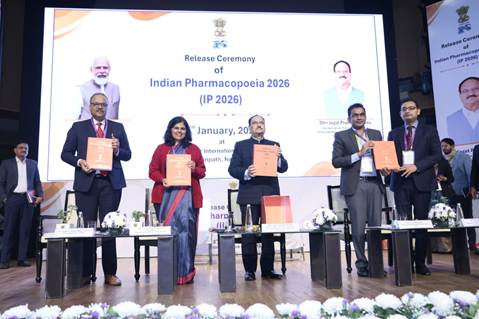
India Jumps to 8th Rank Globally in WHO Pharmacovigilance Contributions
What’s the News?
- India has achieved a significant milestone by rising from 123rd to 8th rank globally in terms of pharmacovigilance contributions to the World Health Organization (WHO).
- Union Health Minister J.P. Nadda announced this achievement, highlighting India's strengthened mechanism for monitoring Adverse Drug Reactions (ADRs).
- This jump reflects a robust increase in reporting drug safety data to the WHO-Uppsala Monitoring Centre (UMC), ensuring safer medicine usage globally.
What is Pharmacovigilance?
- Definition: The science and activities relating to detection, assessment, understanding, and prevention of adverse effects or any other medicine- or vaccine-related problems.
- WHO’s Role: Coordinates global efforts through VigiBase, managed by the Uppsala Monitoring Centre (UMC), Sweden.
- Key Functions:
- ADR collection & analysis from national centres.
- Signal detection (early warning of emerging risks).
- Risk–benefit evaluation for regulatory actions.
- Capacity-building in low- and middle-income countries.
India's Pharmacovigilance Progress
- Data Contribution: India now contributes approximately 5% of the total global ADR reports sent to the WHO database, VigiBase.
- Reporting Numbers: The number of ADR reports from India increased from a few hundred annually a decade ago to over 1.5 lakh reports in recent years.
- Institutional Growth: The expansion of Adverse Drug Reaction Monitoring Centres (AMCs) across the country, from a handful to over 800, has been a key driver of this progress.
- Digital Integration: Use of the VigiFlow software and the PvPI (Pharmacovigilance Programme of India) mobile app has streamlined the reporting process for healthcare professionals and consumers.
Pharmacovigilance Programme of India (PvPI)
- Launch & Management: Launched in 2010, PvPI is coordinated by the Indian Pharmacopoeia Commission (IPC), Ghaziabad, which acts as the National Coordination Centre (NCC).
- Objective: To monitor the safety of medicines, vaccines, and medical devices to reduce the risks associated with their use.
- Regulatory Link: Data generated by PvPI assists the Central Drugs Standard Control Organization (CDSCO) in making informed regulatory decisions, such as changing drug labels or banning unsafe medicines.
Sources
Know Your Survey: A User Guide to ASUSE
What’s the News?
- The Ministry of Statistics and Programme Implementation (MoSPI) has released a comprehensive user guide for the Annual Survey of Unincorporated Sector Enterprises (ASUSE).
- This guide aims to help researchers, policymakers, and the general public navigate the complex data collected regarding India's vast informal or unincorporated sector.
- ASUSE replaces previous periodic surveys to provide an annual and more frequent data series, filling a critical gap in understanding the economic contribution of non-agricultural informal enterprises.
Key Features of ASUSE
- Scope: Covers unincorporated non-agricultural enterprises in manufacturing, trade, and other services sectors.
- Exclusions: It excludes enterprises involved in agriculture (though some post-harvest activities may be included), government/public sector units, and cooperatives.
- Data Points: Collects detailed information on:
- Operational Characteristics: Nature of activity, location, and type of ownership.
- Employment: Number of workers (including family members), emoluments, and gender breakdown.
- Economic Metrics: Gross Value Added (GVA), output, intermediate consumption, and fixed assets.
- Frequency: Unlike the quinquennial (five-yearly) surveys of the past, ASUSE is conducted annually to track high-frequency economic shifts.
Significance of the Survey
- Economic Contribution: The unincorporated sector accounts for a massive portion of India's GDP and employment, yet it remains largely "invisible" in formal data.
- Policy Formulation: Provides the necessary data for the National Accounts Statistics (NAS) to estimate the contribution of the informal sector to the national income.
- MSME Tracking: Helps in monitoring the health of Micro, Small, and Medium Enterprises (MSMEs) that do not fall under the Factories Act.
Additional Info
- Institutional Framework:
- Conducted by the National Sample Survey Office (NSSO) under MoSPI.
- Key Concepts:
- Unincorporated Sector: Refers to enterprises that are not "incorporated" as separate legal entities, often including sole proprietorships and partnerships.
- Gross Value Added (GVA): Calculated as the value of output minus the value of intermediate consumption; it reflects the actual contribution of an enterprise to the economy.
- Evolution:
- Previously, this data was captured through the NSS 73rd Round (2015-16) and similar periodic rounds.
- The shift to ASUSE represents a modernization of India's statistical system to provide real-time insights for evidence-based governance.
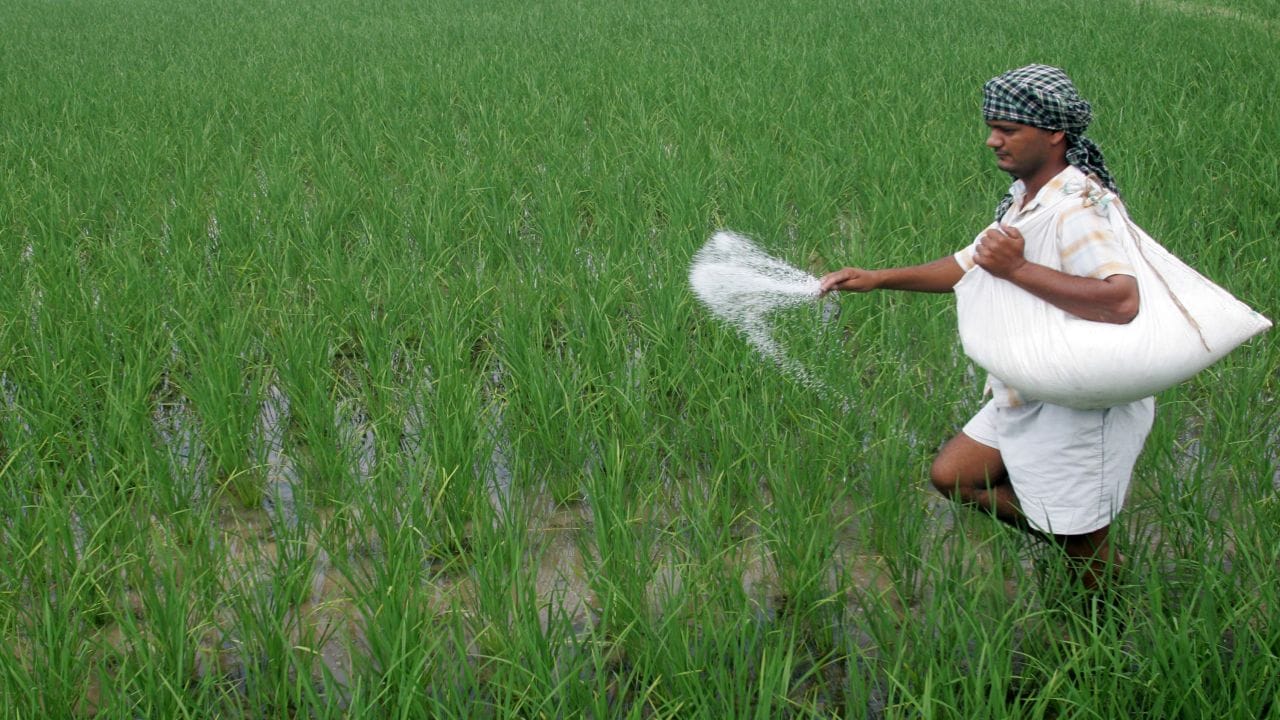
Centre Launches Digital e-Bill System for ₹2 Lakh Crore Fertilizer Subsidy
What’s the News?
- Union Minister for Chemicals and Fertilizers Jagat Prakash Nadda launched an integrated e-Bill System to digitally process fertilizer subsidies worth approximately ₹2 lakh crore.
- The system marks a complete transition from manual, paper-based workflows to a fully digital, system-to-system workflow, eliminating the physical movement of bills.
- Launched at Kartavya Bhawan, New Delhi, this reform is a collaborative technological effort between the Integrated Fertilizer Management System (iFMS) of the Department of Fertilizers and the Public Financial Management System (PFMS) of the Ministry of Finance.
Integrated e-Bill System: Key Features
- Technology Integration:
- Built on convergence of Integrated Financial Management System (IFMS) (Dept. of Fertilizers) and Public Financial Management System (PFMS) (Ministry of Finance).
- End-to-End Workflow Automation:
- Online submission of subsidy claims by fertilizer companies.
- Real-time tracking of payment status and processing stage.
- First-In-First-Out (FIFO) processing to ensure fairness and timeliness.
- Enhanced Controls & Auditability:
- Every transaction logged with tamper-proof digital audit trail.
- Pre-validation checks against eligibility criteria (e.g., verified sales data, DBT linkage).
- Fraud mitigation through multi-layered authorization and anomaly detection.
- Operational Gains:
- Weekly subsidy disbursements accelerated; eliminates physical bill movement and manual follow-ups.
- Reduces processing time by ~60% (per pilot data from 10 companies).
Additional Info
- Fertilizer Subsidy Overview:
- India is the world's second-largest user and third-largest producer of fertilizers.
- Urea Subsidy: Farmers purchase urea at a fixed MRP (₹242 per 45kg bag); the government pays the difference to manufacturers.
- Nutrient Based Subsidy (NBS): Fixed subsidy rates for Phosphatic and Potassic (P&K) fertilizers based on their nutrient content.
- Budgetary Context:
- The budget for 2025–26 allocated approximately ₹1.67 lakh crore for fertilizer subsidies.
- This digital reform aligns with the Digital India vision and the goal of Viksit Bharat @ 2047.
Sources
Surat Set to Become India’s First Slum-Free City

What’s the News?
- Surat, widely known as India's "Diamond City," is on track to become the first city in the country with a population of over 70 lakh to be officially declared slum-free.
- The Gujarat State Government announced that the city has successfully rehabilitated thousands of slum dwellers into formal housing, transforming the urban landscape.
Slum-Free Urban Strategy
- In-Situ Redevelopment Model:
- Slum clusters replaced with multi-storey apartment complexes on the same land, minimizing displacement and preserving livelihood linkages.
- Over 4.5 lakh households rehabilitated since 2015 (as per SMC data).
- Scheme Convergence:
- Pradhan Mantri Awas Yojana (Urban) provides central assistance (up to ₹1.5 lakh per EWS house).
- Gujarat Affordable Housing Policy offers additional state subsidies and fast-tracked approvals.
- Civic Infrastructure Integration:
- All new housing colonies equipped with:
- Piped water supply & individual metering
- Underground drainage & sewage connectivity
- Paved internal roads, street lighting, and open spaces
- Community facilities (anganwadis, health sub-centres, skill centres)
- All new housing colonies equipped with:
Challenges & Governance Innovations
- Migrant Workforce Management:
- Surat attracts ~3 lakh seasonal migrants annually for diamond/textile work; SMC introduced rental housing modules and transit shelters for short-term workers.
- Land Titling & Participation:
- Slum enumeration drives with biometric verification ensured inclusive beneficiary lists.
- 70:30 cost-sharing model: 70% by govt (central + state), 30% by beneficiaries (waived for poorest).
- Technology Use:
- GIS mapping of all slum pockets (2018 baseline) → real-time progress dashboard for officials and citizens.
Sources
New Tax Regime for Tobacco and Pan Masala Effective February 1

What’s the News?
- The Ministry of Finance has notified a major overhaul of the taxation framework for tobacco products and pan masala, set to take effect from February 1, 2026.
- This new regime replaces the existing GST compensation cess with a combination of Additional Excise Duty and a new Health and National Security Cess.
- The move follows parliamentary approval of the Central Excise (Amendment) Act, 2025 and the Health Security and National Security Act, 2025.
- The restructuring aims to curb tax evasion, plug revenue leakages, and maintain high levies on "sin goods" as the compensation cess sunsets.
Revised Tax Structure and Rates
- GST Rate Changes:
- Pan masala, cigarettes, and most tobacco products will attract a uniform 40% GST.
- Bidis have been moved to the 18% GST category.
- Cigarette Taxation (per 1,000 sticks): The new excise duty is linked to stick length and filter type:
- Unfiltered (<65 mm): ₹2,050.
- Filtered (<65 mm): Approximately ₹2,100.
- Filtered (70–75 mm): ₹5,400.
- Premium/Other categories: Up to ₹8,500.
- Smokeless Tobacco and Pan Masala:
- Pan masala will be subject to a Health and National Security Cess based on production capacity.
- Gutkha will attract an additional excise duty of 91%.
- Chewing tobacco and jarda scented tobacco will face an excise duty of 82%.
Additional Info
- GST Compensation Cess History:
- Originally introduced in 2017 for five years to offset state revenue losses.
- Extended until March 2026 specifically to repay ₹2.69 lakh crore in loans taken during the pandemic.
- The new excise/cess regime ensures the tax incidence does not drop sharply once these loans are repaid by January 31, 2026.
- Public Health Context:
- WHO Benchmark: The World Health Organization recommends a total tax incidence of 75% on tobacco products.
- Even with these hikes, India’s total tax incidence on cigarettes remains at approximately 53% of the retail price.
- Purpose of the New Cess:
- Unlike general taxes, the Health and National Security Cess creates a non-lapsable resource stream for dedicated health awareness and security programs.
Sources
India Records 166 Tiger Deaths in 2025: Highest in Recent Years

What’s the News?
- India recorded the deaths of 166 tigers in 2025, a significant increase from the 126 deaths reported in 2024.
- The data, released by the National Tiger Conservation Authority (NTCA), highlights a growing trend of mortality linked to habitat saturation and territorial conflicts.
- Of the total fatalities, 31 were cubs, and alarmingly, 60% of deaths (approximately 100 tigers) occurred outside protected areas.
State-wise Mortality Patterns
- Madhya Pradesh: For the third consecutive year, the "Tiger State" recorded the highest mortality with 55 deaths.
- Maharashtra: Followed with 38 deaths, including the first fatality of the year reported in the Bramhapuri forest division.
- Other States: Significant numbers were reported from Karnataka (15), Kerala (13), and Assam (12).
- Context of Growth: High mortality in states like Madhya Pradesh is often correlated with their large populations; the state's tiger numbers grew by nearly 60% since 2014, reaching 785 in the 2022 estimation.
Causes of Death and Habitat Challenges
- Territorial Infighting: Approximately 70% of deaths were attributed to natural causes, predominantly fierce battles between tigers over limited territory.
- Habitat Saturation: Experts state that many reserves have reached their carrying capacity, forcing young and dispersing sub-adults to move into human-dominated landscapes.
- Human-Induced Factors:
- Electrocution: Seven cases nationwide were directly linked to illegal electric fences.
- Accidents: Road and rail accidents remain a persistent threat to tigers moving through fragmented corridors.
- Poaching: While the majority of deaths are natural, at least 10 deaths in MP were confirmed as poaching, often involving "non-targeted killings" meant for other wildlife.
- Staffing Shortages: A critical challenge cited is that 1 in 5 staff positions across tiger reserves remain vacant, hindering anti-poaching vigilance and forensic responses.
Additional Info
- National Tiger Conservation Authority (NTCA):
- A statutory body under the Ministry of Environment, Forest, and Climate Change (MoEFCC).
- Established in 2006 following an amendment to the Wildlife (Protection) Act, 1972.
- Mandated to strengthen tiger conservation, approve Tiger Conservation Plans, and set standard operating procedures for mortality investigations.
- Project Tiger:
- Launched in 1973 as a Centrally Sponsored Scheme to ensure a viable population of Bengal tigers in their natural habitats.
- Constitutional and Legal Context:
- Article 48A: The State shall endeavor to protect and improve the environment and safeguard the forests and wildlife of the country.
- Article 51A(g): It is the fundamental duty of every citizen to protect and improve the natural environment including forests, lakes, rivers, and wildlife.
- Wildlife Protection Act (WPA), 1972: Empowers the government to notify Tiger Reserves and core/critical habitats.
- Global Standing: India hosts nearly 75% of the world's wild tiger population, estimated at 3,682 as of the 2022 census.
Sources
January 2026
31 January 202630 January 202629 January 202628 January 202627 January 202626 January 202624 January 202623 January 202622 January 202621 January 202620 January 202619 January 202616 January 202615 January 202614 January 202613 January 202612 January 202610 January 202609 January 202608 January 202607 January 202606 January 202605 January 202603 January 202602 January 202601 January 2026
Archive
October 2026
- 28 October 2026
- 27 October 2026
- 26 October 2026
- 24 October 2026
- 23 October 2026
- 22 October 2026
- 21 October 2026
- 20 October 2026
- 19 October 2026
- 17 October 2026
- 16 October 2026
- 15 October 2026
- 14 October 2026
- 13 October 2026
- 12 October 2026
- 10 October 2026
- 09 October 2026
- 08 October 2026
- 07 October 2026
- 06 October 2026
- 05 October 2026
- 03 October 2026
- 02 October 2026
- 01 October 2026
September 2026
- 30 September 2026
- 29 September 2026
- 28 September 2026
- 26 September 2026
- 25 September 2026
- 24 September 2026
- 23 September 2026
- 22 September 2026
- 21 September 2026
- 19 September 2026
- 18 September 2026
- 17 September 2026
- 16 September 2026
- 15 September 2026
- 12 September 2026
- 11 September 2026
- 10 September 2026
- 09 September 2026
- 08 September 2026
- 07 September 2026
- 05 September 2026
- 04 September 2026
- 03 September 2026
- 02 September 2026
- 01 September 2026
August 2026
- 31 August 2026
- 29 August 2026
- 27 August 2026
- 26 August 2026
- 25 August 2026
- 24 August 2026
- 22 August 2026
- 21 August 2026
- 20 August 2026
- 19 August 2026
- 18 August 2026
- 17 August 2026
- 14 August 2026
- 13 August 2026
- 12 August 2026
- 11 August 2026
- 10 August 2026
- 08 August 2026
- 07 August 2026
- 06 August 2026
- 05 August 2026
- 04 August 2026
- 03 August 2026
- 01 August 2026
July 2026
- 31 July 2026
- 30 July 2026
- 29 July 2026
- 28 July 2026
- 27 July 2026
- 25 July 2026
- 23 July 2026
- 22 July 2026
- 21 July 2026
- 20 July 2026
- 18 July 2026
- 17 July 2026
- 15 July 2026
- 14 July 2026
- 13 July 2026
- 11 July 2026
- 10 July 2026
- 09 July 2026
- 08 July 2026
- 07 July 2026
- 06 July 2026
- 04 July 2026
- 03 July 2026
- 02 July 2026
- 01 July 2026
June 2026
May 2026
April 2026
March 2026
- 31 March 2026
- 30 March 2026
- 28 March 2026
- 27 March 2026
- 26 March 2026
- 25 March 2026
- 24 March 2026
- 23 March 2026
- 21 March 2026
- 20 March 2026
- 19 March 2026
- 18 March 2026
- 17 March 2026
- 16 March 2026
- 14 March 2026
- 13 March 2026
- 12 March 2026
- 11 March 2026
- 10 March 2026
- 09 March 2026
- 07 March 2026
- 06 March 2026
- 05 March 2026
- 03 March 2026
- 02 March 2026
February 2026
- 28 February 2026
- 27 February 2026
- 26 February 2026
- 25 February 2026
- 24 February 2026
- 23 February 2026
- 21 February 2026
- 20 February 2026
- 19 February 2026
- 18 February 2026
- 17 February 2026
- 16 February 2026
- 13 February 2026
- 12 February 2026
- 11 February 2026
- 10 February 2026
- 09 February 2026
- 07 February 2026
- 06 February 2026
- 05 February 2026
- 04 February 2026
- 03 February 2026
- 02 February 2026
January 2026
- 31 January 2026
- 30 January 2026
- 29 January 2026
- 28 January 2026
- 27 January 2026
- 26 January 2026
- 24 January 2026
- 23 January 2026
- 22 January 2026
- 21 January 2026
- 20 January 2026
- 19 January 2026
- 16 January 2026
- 15 January 2026
- 14 January 2026
- 13 January 2026
- 12 January 2026
- 10 January 2026
- 09 January 2026
- 08 January 2026
- 07 January 2026
- 06 January 2026
- 05 January 2026
- 03 January 2026
- 02 January 2026
- 01 January 2026
December 2025
- 31 December 2025
- 30 December 2025
- 29 December 2025
- 27 December 2025
- 26 December 2025
- 24 December 2025
- 23 December 2025
- 22 December 2025
- 20 December 2025
- 19 December 2025
- 18 December 2025
- 17 December 2025
- 16 December 2025
- 15 December 2025
- 13 December 2025
- 12 December 2025
- 11 December 2025
- 10 December 2025
- 09 December 2025
- 08 December 2025
- 05 December 2025
- 04 December 2025
- 03 December 2025
- 02 December 2025
November 2025
- 29 November 2025
- 28 November 2025
- 27 November 2025
- 26 November 2025
- 25 November 2025
- 24 November 2025
- 22 November 2025
- 21 November 2025
- 20 November 2025
- 19 November 2025
- 18 November 2025
- 17 November 2025
- 15 November 2025
- 14 November 2025
- 13 November 2025
- 12 November 2025
- 11 November 2025
- 10 November 2025
- 08 November 2025
- 07 November 2025
- 06 November 2025
- 05 November 2025
- 04 November 2025
- 03 November 2025
- 01 November 2025
October 2025
- 31 October 2025
- 30 October 2025
- 29 October 2025
- 28 October 2025
- 27 October 2025
- 25 October 2025
- 24 October 2025
- 23 October 2025
- 22 October 2025
- 21 October 2025
- 20 October 2025
- 18 October 2025
- 17 October 2025
- 16 October 2025
- 15 October 2025
- 14 October 2025
- 13 October 2025
- 11 October 2025
- 10 October 2025
- 09 October 2025
- 08 October 2025
- 07 October 2025
- 06 October 2025
- 04 October 2025
- 03 October 2025
- 02 October 2025
- 01 October 2025
September 2025
- 30 September 2025
- 29 September 2025
- 27 September 2025
- 26 September 2025
- 25 September 2025
- 24 September 2025
- 23 September 2025
- 22 September 2025
- 20 September 2025
- 19 September 2025
- 18 September 2025
- 17 September 2025
- 16 September 2025
- 15 September 2025
- 13 September 2025
- 12 September 2025
- 11 September 2025
- 10 September 2025
- 09 September 2025
- 08 September 2025
- 06 September 2025
- 05 September 2025
- 04 September 2025
- 03 September 2025
- 02 September 2025
- 01 September 2025
August 2025
- 30 August 2025
- 29 August 2025
- 28 August 2025
- 27 August 2025
- 26 August 2025
- 25 August 2025
- 23 August 2025
- 22 August 2025
- 21 August 2025
- 20 August 2025
- 19 August 2025
- 18 August 2025
- 16 August 2025
- 14 August 2025
- 13 August 2025
- 12 August 2025
- 11 August 2025
- 08 August 2025
- 07 August 2025
- 06 August 2025
- 05 August 2025
- 04 August 2025
- 02 August 2025
- 01 August 2025
July 2025
- 31 July 2025
- 30 July 2025
- 29 July 2025
- 28 July 2025
- 26 July 2025
- 25 July 2025
- 24 July 2025
- 23 July 2025
- 22 July 2025
- 21 July 2025
- 19 July 2025
- 18 July 2025
- 17 July 2025
- 16 July 2025
- 15 July 2025
- 12 July 2025
- 11 July 2025
- 10 July 2025
- 09 July 2025
- 07 July 2025
- 05 July 2025
- 04 July 2025
- 03 July 2025
- 02 July 2025
- 01 July 2025
June 2025
- 30 June 2025
- 28 June 2025
- 27 June 2025
- 26 June 2025
- 25 June 2025
- 24 June 2025
- 23 June 2025
- 21 June 2025
- 20 June 2025
- 19 June 2025
- 18 June 2025
- 17 June 2025
- 16 June 2025
- 14 June 2025
- 13 June 2025
- 12 June 2025
- 11 June 2025
- 10 June 2025
- 09 June 2025
- 07 June 2025
- 06 June 2025
- 05 June 2025
- 04 June 2025
- 03 June 2025
- 02 June 2025
May 2025
April 2025
- 30 April 2025
- 29 April 2025
- 28 April 2025
- 26 April 2025
- 25 April 2025
- 24 April 2025
- 23 April 2025
- 22 April 2025
- 21 April 2025
- 19 April 2025
- 18 April 2025
- 17 April 2025
- 16 April 2025
- 15 April 2025
- 14 April 2025
- 12 April 2025
- 11 April 2025
- 10 April 2025
- 09 April 2025
- 08 April 2025
- 07 April 2025
- 05 April 2025
- 04 April 2025
- 03 April 2025
- 02 April 2025
- 01 April 2025
March 2025
- 31 March 2025
- 29 March 2025
- 28 March 2025
- 27 March 2025
- 26 March 2025
- 25 March 2025
- 24 March 2025
- 22 March 2025
- 21 March 2025
- 20 March 2025
- 19 March 2025
- 18 March 2025
- 17 March 2025
- 15 March 2025
- 13 March 2025
- 12 March 2025
- 11 March 2025
- 10 March 2025
- 08 March 2025
- 07 March 2025
- 06 March 2025
- 05 March 2025
- 04 March 2025
- 03 March 2025
- 01 March 2025
February 2025
- 28 February 2025
- 27 February 2025
- 26 February 2025
- 25 February 2025
- 24 February 2025
- 22 February 2025
- 21 February 2025
- 20 February 2025
- 19 February 2025
- 18 February 2025
- 17 February 2025
- 15 February 2025
- 14 February 2025
- 13 February 2025
- 12 February 2025
- 11 February 2025
- 10 February 2025
- 08 February 2025
- 07 February 2025
- 06 February 2025
- 05 February 2025
- 04 February 2025
- 03 February 2025
- 01 February 2025
January 2025
- 31 January 2025
- 30 January 2025
- 29 January 2025
- 28 January 2025
- 27 January 2025
- 25 January 2025
- 24 January 2025
- 23 January 2025
- 22 January 2025
- 21 January 2025
- 20 January 2025
- 18 January 2025
- 17 January 2025
- 16 January 2025
- 15 January 2025
- 14 January 2025
- 13 January 2025
- 11 January 2025
- 10 January 2025
- 09 January 2025
- 08 January 2025
- 07 January 2025
- 06 January 2025
- 04 January 2025
- 03 January 2025
- 02 January 2025
- 01 January 2025