
Current Affairs
Stay updated with the latest national and international events.
03 April 2025
Waqf Amendment Bill 2025
- Parliament has passed the Waqf (Amendment) Bill 2025 after the Rajya Sabha granted its approval following a prolonged debate.
- The Lok Sabha had already given its nod, paving the way for reforms in the management of Waqf properties.

Key Facts and Figures:
- Rajya Sabha Vote: 128 in favor, 95 against.
- Lok Sabha Vote: 288 in favor, 232 against.
- Debate Duration: Approximately 12–17 hours in both houses.
- Board Composition: The Central Waqf Council will include 22 members, with no more than 4 non-Muslims and 3 non-Muslims out of 11 members on the Waqf Board.
Contributing Factors:
- Governance Reforms: The Bill aims to streamline the management and administration of Waqf properties.
- Transparency and Accountability: Provisions include a centralized portal to automate processes and regular audits for institutions earning over ₹1 lakh.
- Social Welfare Focus: The amendment is designed to uplift poor Muslim communities by enhancing the economic and social status of widows, divorced women, and orphans.
Challenges and Opportunities:
Challenges:
- Political Opposition: Critics, including leaders from the Congress and other parties, claim the Bill could lead to communal polarization and anti-secular practices.
- Constitutional Concerns: Some opposition voices argue that the Bill may violate constitutional norms and dilute the rights of certain stakeholders.
Opportunities:
- Inclusive Governance: By incorporating members from diverse communities, the Bill seeks to promote a secular and transparent Waqf system.
- Economic Upliftment: Reduced mandatory contributions (from 7% to 5%) lessen the financial burden on Waqf institutions, potentially enhancing their capacity to serve community needs.
- Modernization: The introduction of a centralized digital platform offers an opportunity for efficient dispute resolution and better coordination with local authorities.
Relevant Government Policies and Legal Framework:
- Waqf (Amendment) Bill 2025: Reforms the 1995 law governing Waqf properties by updating administrative procedures, increasing accountability, and ensuring better stakeholder representation.
- Repeal of the Mussalman Wakf Act 1923: The Bill also repeals the outdated Mussalman Wakf Act, modernizing the legal framework to better serve contemporary needs.
Immigration and Foreigners Bill 2025
- Parliament has approved the Immigration and Foreigners Bill 2025 with the Rajya Sabha's nod, following the Lok Sabha's earlier approval.
- The legislation aims to modernise immigration laws by consolidating and replacing several older acts, such as the Passport (Entry into India) Act, 1920, Registration of Foreigners Act, 1939, Foreigners Act, 1946, and the Immigration (Carriers’ Liability) Act, 2000.

Key Facts and Figures:
- Approval Process:
- Rajya Sabha: Passed by voice vote.
- Lok Sabha: Previously approved on March 28, 2025.
- Penalties and Enforcement:
- Up to seven years imprisonment and fines up to ₹10 lakh for using forged documents.
- Specific penalties for overstaying, visa violations, and trespassing in restricted areas.
- Mandatory reporting by hotels, universities, hospitals, and other institutions for tracking foreign visitors.
- Visitor Data:
- According to government data, nearly 98.40 lakh foreigners visited India between April 2023 and March 2024.
Contributing Factors:
Modernisation and Consolidation:
- According to government data, nearly 98.40 lakh foreigners visited India between April 2023 and March 2024.
- The Bill has been introduced after three years of deep deliberation to eliminate overlapping laws and enhance the efficiency of immigration management.
- It intends to centralise data collection on foreigners, ensuring up-to-date records and robust tracking of visitors.
Enhanced National Security:
- By empowering immigration officers with extended powers—including the ability to arrest without a warrant—the Bill aims to tighten controls on individuals posing a threat to national security.
- The legislation differentiates between foreigners coming for business, education, and investment and those who may create unrest.
International Best Practices:
- The new framework aligns with global standards, mirroring systems in place in several countries to manage and monitor immigration effectively.
Fiscal Health Index 2025: Odisha Leads the Way in Economic Resilience
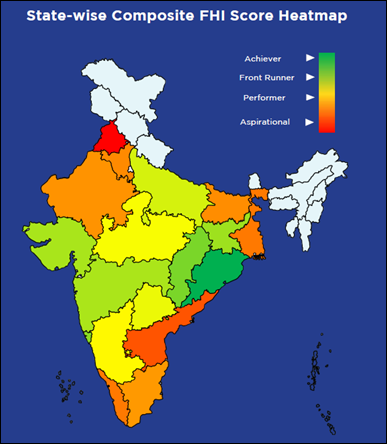
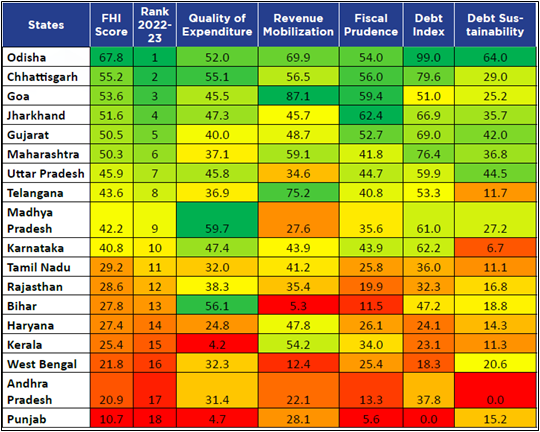
The Fiscal Health Index (FHI) 2025, launched by NITI Aayog, evaluates the fiscal health of Indian states, providing insights into their economic resilience and fiscal management practices. Odisha has emerged as the top-performing state in this inaugural assessment.
Key Facts and Figures
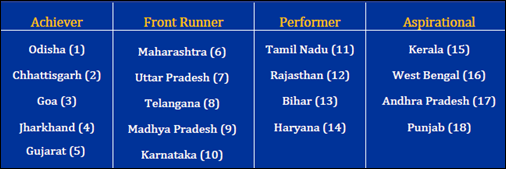
- Top Performers: Odisha secured the highest score of 67.8, followed by Chhattisgarh, Goa, Jharkhand, and Gujarat.
- Indicators Evaluated:
- Tax Buoyancy: Responsiveness of tax revenue to economic growth.
- Revenue Mobilization: Efficiency in generating own revenue.
- Debt-to-GSDP Ratio: Sustainability of debt relative to economic output.
- Expenditure Prioritization: Focus on developmental vs. routine spending.
- Fiscal Deficit Management: Adherence to statutory fiscal limits.
- Challenges: States like Punjab, West Bengal, Andhra Pradesh, and Kerala face significant fiscal challenges, including high deficits and low capital expenditure.
Contributing Factors
- Odisha's Success: Strong debt sustainability measures, high capital outlay-to-GSDP ratio, and innovative revenue generation strategies, particularly from mining premiums.
- Disparities: The Index highlights significant differences in fiscal management across states, with some struggling to balance developmental needs and fiscal discipline.
Challenges and Opportunities
Challenges:
- Fiscal Imbalances: States with high debt-to-GSDP ratios and low expenditure quality risk long-term financial instability.
- Policy Implementation: Ensuring uniform adoption of best practices across states.
Opportunities:
- Economic Growth: States prioritizing capital expenditure, like Odisha and Madhya Pradesh, are better positioned for sustainable growth.
- Policy Guidance: The Index serves as a roadmap for improving fiscal governance and resilience.
Indian Railways Revenue Milestone in FY 2023-24
Indian Railways has achieved a landmark revenue of ₹2.56 Lakh Crore in the fiscal year 2023-24, showcasing robust financial performance and operational excellence.

Key Facts and Figures:
- Total Revenue: ₹2.56 Lakh Crore generated in FY 2023-24.
- Growth Drivers: Significant contributions from both freight and passenger services.
- Operational Improvements: Enhanced efficiency through modernization projects and digital initiatives.
- Comparative Analysis: Notable year-on-year growth reflecting strategic investments and policy support.
Contributing Factors:
- Freight Revenue Boost: Increased freight traffic, improved logistics, and diversified cargo handling have been pivotal.
- Modernisation Initiatives: Investments in technology and infrastructure modernization have streamlined operations.
- Enhanced Service Quality: Upgrades in safety, punctuality, and customer service have contributed to revenue growth.
- Policy Support: Government schemes and policy reforms aimed at boosting the rail sector have provided a strong impetus.
Challenges and Opportunities:
Challenges:
- Infrastructure Constraints: Ongoing need for further expansion and modernization of rail infrastructure.
- Operational Costs: Managing high operational expenses while maintaining service quality.
- Investment Demands: Continuous requirement for capital infusion to sustain growth.
Opportunities:
- Revenue Diversification: Potential to further expand freight and passenger services.
- Technological Integration: Adoption of advanced digital solutions for enhanced operational efficiency.
- Strategic Partnerships: Collaborations with private players can open new avenues for growth.
- Economic Growth: A strong railway performance supports broader economic development and connectivity.
98.21% of ₹2000 Notes Returned: Legal Tender Status Upheld
RBI confirms that 98.21% of the ₹2000 banknotes have been returned to the banking system, reinforcing that these notes remain legal tender.
Key Facts and Figures:
- Return Rate: An impressive 98.21% of ₹2000 notes have been deposited back into the banking system.
- Legal Status: Despite the high return rate, the ₹2000 note continues to be recognized as legal tender by the Reserve Bank of India.
- Systemic Impact: This move reflects the successful absorption of high-denomination notes into the formal banking channel without disrupting daily financial transactions.
Contributing Factors:
- Policy Measures: Strategic initiatives by the RBI and government policies to manage currency circulation have facilitated the return of these notes.
- Digital Payment Push: Increased adoption of digital payments and cashless transactions has reduced the dependency on high-denomination currency.
- Public Awareness: Effective communication by authorities has encouraged the public to deposit excess notes back into the system.
India’s CAD to Remain in Safe Zone During 2025-26
India’s Current Account Deficit (CAD) is projected to remain within the safe zone during the fiscal year 2025-26, according to a recent report. This favourable outlook underscores India's robust external position amid global economic uncertainties.
Key Facts and Figures:
- CAD Projections: The CAD is expected to stay stable, providing a cushion against external shocks.
- GDP Ratio: The report indicates that the deficit will remain within a safe percentage of the GDP, ensuring sustainable external balances.
- Economic Context: This projection comes at a time when global trade dynamics and capital flows are experiencing significant volatility.

Contributing Factors:
- Strong Export Performance: A diversified export base and rising global demand for Indian goods and services have contributed positively.
- Managed Import Growth: Improved import controls and a focus on self-reliance have helped in moderating import bills.
- Capital Inflows: Robust foreign direct investment (FDI) and portfolio investment inflows have further supported the external balance.
- Policy Reforms: Ongoing government reforms aimed at strengthening export competitiveness and reducing import dependency have also played a key role.
Saturn's Moon Count Skyrockets: 128 New Moons Discovered

Astronomers have made a groundbreaking discovery with the identification of 128 new moons orbiting Saturn, nearly doubling the number of known satellites around the ringed planet.
Key Facts and Figures:
- Total New Moons: 128 newly discovered moons add significantly to Saturn’s satellite count.
- Impact on Saturn’s Realm: The discovery nearly doubles the known moons, highlighting the complexity of Saturn’s gravitational domain.
- Discovery Method: Advanced telescopic observations and sophisticated data analysis techniques were pivotal in detecting these faint objects.
April 2025
Archive
October 2026
- 27 October 2026
- 26 October 2026
- 24 October 2026
- 23 October 2026
- 22 October 2026
- 21 October 2026
- 20 October 2026
- 19 October 2026
- 17 October 2026
- 16 October 2026
- 15 October 2026
- 14 October 2026
- 13 October 2026
- 12 October 2026
- 10 October 2026
- 09 October 2026
- 08 October 2026
- 07 October 2026
- 06 October 2026
- 05 October 2026
- 03 October 2026
- 02 October 2026
- 01 October 2026
September 2026
- 30 September 2026
- 29 September 2026
- 28 September 2026
- 26 September 2026
- 25 September 2026
- 24 September 2026
- 23 September 2026
- 22 September 2026
- 21 September 2026
- 19 September 2026
- 18 September 2026
- 17 September 2026
- 16 September 2026
- 15 September 2026
- 12 September 2026
- 11 September 2026
- 10 September 2026
- 09 September 2026
- 08 September 2026
- 07 September 2026
- 05 September 2026
- 04 September 2026
- 03 September 2026
- 02 September 2026
- 01 September 2026
August 2026
- 31 August 2026
- 29 August 2026
- 27 August 2026
- 26 August 2026
- 25 August 2026
- 24 August 2026
- 22 August 2026
- 21 August 2026
- 20 August 2026
- 19 August 2026
- 18 August 2026
- 17 August 2026
- 14 August 2026
- 13 August 2026
- 12 August 2026
- 11 August 2026
- 10 August 2026
- 08 August 2026
- 07 August 2026
- 06 August 2026
- 05 August 2026
- 04 August 2026
- 03 August 2026
- 01 August 2026
July 2026
- 31 July 2026
- 30 July 2026
- 29 July 2026
- 28 July 2026
- 27 July 2026
- 25 July 2026
- 23 July 2026
- 22 July 2026
- 21 July 2026
- 20 July 2026
- 18 July 2026
- 17 July 2026
- 15 July 2026
- 14 July 2026
- 13 July 2026
- 11 July 2026
- 10 July 2026
- 09 July 2026
- 08 July 2026
- 07 July 2026
- 06 July 2026
- 04 July 2026
- 03 July 2026
- 02 July 2026
- 01 July 2026
June 2026
May 2026
April 2026
March 2026
- 31 March 2026
- 30 March 2026
- 28 March 2026
- 27 March 2026
- 26 March 2026
- 25 March 2026
- 24 March 2026
- 23 March 2026
- 21 March 2026
- 20 March 2026
- 19 March 2026
- 18 March 2026
- 17 March 2026
- 16 March 2026
- 14 March 2026
- 13 March 2026
- 12 March 2026
- 11 March 2026
- 10 March 2026
- 09 March 2026
- 07 March 2026
- 06 March 2026
- 05 March 2026
- 03 March 2026
- 02 March 2026
February 2026
- 28 February 2026
- 27 February 2026
- 26 February 2026
- 25 February 2026
- 24 February 2026
- 23 February 2026
- 21 February 2026
- 20 February 2026
- 19 February 2026
- 18 February 2026
- 17 February 2026
- 16 February 2026
- 13 February 2026
- 12 February 2026
- 11 February 2026
- 10 February 2026
- 09 February 2026
- 07 February 2026
- 06 February 2026
- 05 February 2026
- 04 February 2026
- 03 February 2026
- 02 February 2026
January 2026
- 31 January 2026
- 30 January 2026
- 29 January 2026
- 28 January 2026
- 27 January 2026
- 26 January 2026
- 24 January 2026
- 23 January 2026
- 22 January 2026
- 21 January 2026
- 20 January 2026
- 19 January 2026
- 16 January 2026
- 15 January 2026
- 14 January 2026
- 13 January 2026
- 12 January 2026
- 10 January 2026
- 09 January 2026
- 08 January 2026
- 07 January 2026
- 06 January 2026
- 05 January 2026
- 03 January 2026
- 02 January 2026
- 01 January 2026
December 2025
- 31 December 2025
- 30 December 2025
- 29 December 2025
- 27 December 2025
- 26 December 2025
- 24 December 2025
- 23 December 2025
- 22 December 2025
- 20 December 2025
- 19 December 2025
- 18 December 2025
- 17 December 2025
- 16 December 2025
- 15 December 2025
- 13 December 2025
- 12 December 2025
- 11 December 2025
- 10 December 2025
- 09 December 2025
- 08 December 2025
- 05 December 2025
- 04 December 2025
- 03 December 2025
- 02 December 2025
November 2025
- 29 November 2025
- 28 November 2025
- 27 November 2025
- 26 November 2025
- 25 November 2025
- 24 November 2025
- 22 November 2025
- 21 November 2025
- 20 November 2025
- 19 November 2025
- 18 November 2025
- 17 November 2025
- 15 November 2025
- 14 November 2025
- 13 November 2025
- 12 November 2025
- 11 November 2025
- 10 November 2025
- 08 November 2025
- 07 November 2025
- 06 November 2025
- 05 November 2025
- 04 November 2025
- 03 November 2025
- 01 November 2025
October 2025
- 31 October 2025
- 30 October 2025
- 29 October 2025
- 28 October 2025
- 27 October 2025
- 25 October 2025
- 24 October 2025
- 23 October 2025
- 22 October 2025
- 21 October 2025
- 20 October 2025
- 18 October 2025
- 17 October 2025
- 16 October 2025
- 15 October 2025
- 14 October 2025
- 13 October 2025
- 11 October 2025
- 10 October 2025
- 09 October 2025
- 08 October 2025
- 07 October 2025
- 06 October 2025
- 04 October 2025
- 03 October 2025
- 02 October 2025
- 01 October 2025
September 2025
- 30 September 2025
- 29 September 2025
- 27 September 2025
- 26 September 2025
- 25 September 2025
- 24 September 2025
- 23 September 2025
- 22 September 2025
- 20 September 2025
- 19 September 2025
- 18 September 2025
- 17 September 2025
- 16 September 2025
- 15 September 2025
- 13 September 2025
- 12 September 2025
- 11 September 2025
- 10 September 2025
- 09 September 2025
- 08 September 2025
- 06 September 2025
- 05 September 2025
- 04 September 2025
- 03 September 2025
- 02 September 2025
- 01 September 2025
August 2025
- 30 August 2025
- 29 August 2025
- 28 August 2025
- 27 August 2025
- 26 August 2025
- 25 August 2025
- 23 August 2025
- 22 August 2025
- 21 August 2025
- 20 August 2025
- 19 August 2025
- 18 August 2025
- 16 August 2025
- 14 August 2025
- 13 August 2025
- 12 August 2025
- 11 August 2025
- 08 August 2025
- 07 August 2025
- 06 August 2025
- 05 August 2025
- 04 August 2025
- 02 August 2025
- 01 August 2025
July 2025
- 31 July 2025
- 30 July 2025
- 29 July 2025
- 28 July 2025
- 26 July 2025
- 25 July 2025
- 24 July 2025
- 23 July 2025
- 22 July 2025
- 21 July 2025
- 19 July 2025
- 18 July 2025
- 17 July 2025
- 16 July 2025
- 15 July 2025
- 12 July 2025
- 11 July 2025
- 10 July 2025
- 09 July 2025
- 07 July 2025
- 05 July 2025
- 04 July 2025
- 03 July 2025
- 02 July 2025
- 01 July 2025
June 2025
- 30 June 2025
- 28 June 2025
- 27 June 2025
- 26 June 2025
- 25 June 2025
- 24 June 2025
- 23 June 2025
- 21 June 2025
- 20 June 2025
- 19 June 2025
- 18 June 2025
- 17 June 2025
- 16 June 2025
- 14 June 2025
- 13 June 2025
- 12 June 2025
- 11 June 2025
- 10 June 2025
- 09 June 2025
- 07 June 2025
- 06 June 2025
- 05 June 2025
- 04 June 2025
- 03 June 2025
- 02 June 2025
May 2025
April 2025
- 30 April 2025
- 29 April 2025
- 28 April 2025
- 26 April 2025
- 25 April 2025
- 24 April 2025
- 23 April 2025
- 22 April 2025
- 21 April 2025
- 19 April 2025
- 18 April 2025
- 17 April 2025
- 16 April 2025
- 15 April 2025
- 14 April 2025
- 12 April 2025
- 11 April 2025
- 10 April 2025
- 09 April 2025
- 08 April 2025
- 07 April 2025
- 05 April 2025
- 04 April 2025
- 03 April 2025
- 02 April 2025
- 01 April 2025
March 2025
- 31 March 2025
- 29 March 2025
- 28 March 2025
- 27 March 2025
- 26 March 2025
- 25 March 2025
- 24 March 2025
- 22 March 2025
- 21 March 2025
- 20 March 2025
- 19 March 2025
- 18 March 2025
- 17 March 2025
- 15 March 2025
- 13 March 2025
- 12 March 2025
- 11 March 2025
- 10 March 2025
- 08 March 2025
- 07 March 2025
- 06 March 2025
- 05 March 2025
- 04 March 2025
- 03 March 2025
- 01 March 2025
February 2025
- 28 February 2025
- 27 February 2025
- 26 February 2025
- 25 February 2025
- 24 February 2025
- 22 February 2025
- 21 February 2025
- 20 February 2025
- 19 February 2025
- 18 February 2025
- 17 February 2025
- 15 February 2025
- 14 February 2025
- 13 February 2025
- 12 February 2025
- 11 February 2025
- 10 February 2025
- 08 February 2025
- 07 February 2025
- 06 February 2025
- 05 February 2025
- 04 February 2025
- 03 February 2025
- 01 February 2025
January 2025
- 31 January 2025
- 30 January 2025
- 29 January 2025
- 28 January 2025
- 27 January 2025
- 25 January 2025
- 24 January 2025
- 23 January 2025
- 22 January 2025
- 21 January 2025
- 20 January 2025
- 18 January 2025
- 17 January 2025
- 16 January 2025
- 15 January 2025
- 14 January 2025
- 13 January 2025
- 11 January 2025
- 10 January 2025
- 09 January 2025
- 08 January 2025
- 07 January 2025
- 06 January 2025
- 04 January 2025
- 03 January 2025
- 02 January 2025
- 01 January 2025