
Current Affairs
Stay updated with the latest national and international events.
02 October 2025
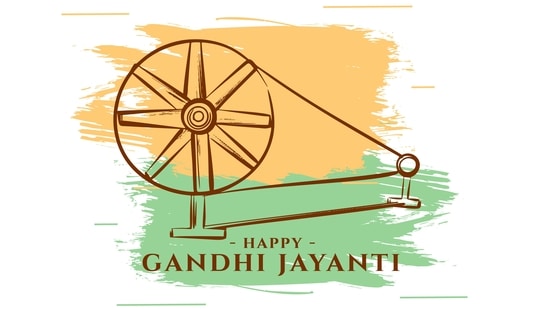
Gandhi Jayanti 2025: Honoring the Legacy of Mahatma Gandhi
What’s the News?
- Gandhi Jayanti was observed on October 2, 2025, marking the 156th birth anniversary of Mahatma Gandhi, the Father of the Nation.
- The day is a national gazetted holiday and was commemorated across India with tributes from the President, Prime Minister, and other dignitaries at Raj Ghat, New Delhi.
- The observance reaffirmed national commitment to Gandhi’s core principles of truth (Satya), non-violence (Ahimsa), and social justice, which remain central to India’s constitutional ethos and global identity.
Significance of Gandhi Jayanti
- National Observance:
- Celebrated annually on October 2, irrespective of the day of the week.
- Recognized globally as the International Day of Non-Violence by the United Nations General Assembly (since 2007).
- Core Values Emphasized:
- Ahimsa (Non-violence): Cornerstone of India’s freedom struggle and foreign policy.
- Sarvodaya: Welfare of all, especially the marginalized.
- Swachhata (Cleanliness): Integral to Gandhi’s vision; linked to the Swachh Bharat Mission.
- Official Ceremonies:
- Wreath-laying at Raj Ghat, New Delhi, by the President, Prime Minister, and service chiefs.
- Prayer meetings, readings from Gandhi’s writings, and singing of his favorite bhajan, “Raghupati Raghava Raja Ram.”
Additional Info
- Constitutional & Policy Linkages:
- Article 51A (Fundamental Duties): Mandates citizens to “renounce practices derogatory to the dignity of women” and promote harmony—values deeply rooted in Gandhian thought.
- Directive Principles of State Policy (Part IV): Reflect Gandhi’s vision of village self-governance (Gram Swaraj) and equitable development.
- Key Government Initiatives Inspired by Gandhi:
- Swachh Bharat Mission (SBM):
- Launched on October 2, 2014, to fulfill Gandhi’s dream of a clean India.
- Achieved Open Defecation Free (ODF) status in all rural areas by 2019.
- Khadi and Village Industries Commission (KVIC):
- Promotes Khadi as a symbol of self-reliance and sustainable livelihoods.
- Employs over 35 lakh artisans (as of 2024).
- Swachh Bharat Mission (SBM):
- International Recognition:
- UNESCO includes Gandhi’s writings in its Memory of the World Register.
- Over 50 countries observe October 2 as a day of peace or non-violence.
Sources
Swachh Bharat Diwas 2025: Reinforcing Gandhi’s Vision of Cleanliness

What’s the News?
- Swachh Bharat Diwas was observed on October 2, 2025, coinciding with Gandhi Jayanti, the birth anniversary of Mahatma Gandhi, who championed cleanliness as integral to personal and national dignity.
- The Department of Drinking Water and Sanitation (DDWS), under the Ministry of Jal Shakti, led a collective shramdaan (voluntary service) at the CGO Complex in New Delhi, involving all senior officials.
- This event marked the culmination of the Swachhata Hi Seva (SHS) 2025 campaign, which mobilized over 16 crore citizens nationwide, cleaned nearly 14 lakh Cleanliness Target Units (CTUs) and 5 lakh public spaces, and organized over 1.50 lakh Safai Mitra Suraksha Shivirs.
Significance of Swachh Bharat Diwas
- Historical Linkage:
- October 2 is observed as Swachh Bharat Diwas to honor Mahatma Gandhi’s lifelong emphasis on sanitation and hygiene as pillars of public health and self-respect.
- The day also commemorates the birth anniversary of former Prime Minister Lal Bahadur Shastri, reinforcing national values of simplicity and service.
- Campaign Framework:
- Swachhata Hi Seva 2025 ran from September 17 to October 2, jointly coordinated by the Ministry of Housing and Urban Affairs (MoHUA) and Ministry of Jal Shakti.
- Focused on transforming difficult and dirty spots into clean public spaces through Jan Andolan (people’s movement).
- Citizen Participation Metrics:
- 16 crore+ citizens participated voluntarily.
- 14 lakh CTUs and 5 lakh public spaces cleaned.
- 1.50 lakh+ Safai Mitra Suraksha Shivirs (safety camps for sanitation workers) conducted.
Additional Info
- Swachh Bharat Mission (SBM):
- Launched on October 2, 2014, to fulfill Gandhi’s vision of a clean India.
- Phase I (2014–2019): Achieved Open Defecation Free (ODF) status in all rural areas.
- Phase II (2020–2025): Focuses on ODF+ and ODF++, emphasizing solid and liquid waste management (SLWM) in all villages.
- Constitutional & Policy Anchors:
- Article 47 (Directive Principles): Mandates the State to raise nutrition and public health standards.
- Article 51A(g) (Fundamental Duty): Obliges citizens to protect the environment and show compassion for living creatures—aligned with sanitation ethics.
- Institutional Mechanisms:
- Safai Mitra Suraksha Shivir: Ensures safety, dignity, and health of sanitation workers; promotes mechanized cleaning.
- Swachhata Hi Seva Portal (
https://swachhatahiseva.gov.in/): Real-time monitoring of citizen participation and CTU cleaning.
Sources
Cabinet Approves MSP Hike for All Rabi Crops for 2026–27 Season

What’s the News?
- The Union Cabinet Committee on Economic Affairs (CCEA), chaired by Prime Minister Narendra Modi, has approved a hike in the Minimum Support Prices (MSP) for all six mandated Rabi crops for the 2026–27 marketing season.
- The move aims to ensure remunerative returns to farmers and promote crop diversification, aligning with the government’s commitment to fix MSP at at least 1.5 times the all-India weighted average cost of production.
- The sharpest increase was for safflower (₹600/quintal), followed by lentil (masur) (₹300/quintal), rapeseed & mustard (₹250), gram (₹225), barley (₹170), and wheat (₹160).
Revised MSPs and Expected Returns
- New MSPs (₹/quintal):
- Wheat: ₹2,585
- Gram: ₹5,650
- Lentil (Masur): ₹6,700
- Rapeseed & Mustard: ₹5,950
- Barley: ₹2,150
- Safflower: ₹5,940
- Expected Return Over Cost of Production:
- Wheat: 109%
- Rapeseed & Mustard: 93%
- Lentil: 89%
- Gram: 59%
- Barley: 58%
- Safflower: 50%
Additional Info
- Policy Framework:
- The MSP hike follows recommendations from the Commission for Agricultural Costs and Prices (CACP).
- It fulfills the Union Budget 2018–19 assurance to set MSP at ≥1.5× production cost.
- Associated Initiatives:
- Mission for Aatmanirbharta in Pulses:
- Approved with a ₹11,440 crore outlay for 2025–26 to 2030–31.
- Targets 350 lakh tonnes of pulses production by 2030–31.
- Will benefit 2 crore farmers through improved seeds, post-harvest infrastructure, and assured procurement.
- Mission for Aatmanirbharta in Pulses:
- Procurement & Crop Cycle:
- Wheat, the primary Rabi crop, is sown in October–November and harvested from March.
- Bulk procurement for the 2026–27 marketing year (starting April) is expected to conclude by June.
- The government has set a record wheat production target of 119 million tonnes for 2025–26, up from 117.5 million tonnes in 2024–25.
Sources
Tribal Village Vision 2030: Grassroots Empowerment in 1 Lakh Tribal Villages

What’s the News?
- On October 2, 2025, a Special Gram Sabha was convened across 1 lakh tribal-dominated villages and Tolas to formally adopt the Tribal Village Vision 2030 Declaration.
- This initiative is part of the Adi Karmayogi Abhiyan, launched by the Ministry of Tribal Affairs, marking the world’s largest tribal grassroots leadership programme, covering 11 crore citizens across 30 States and Union Territories.
- The event coincided with Gandhi Jayanti, reinforcing the Gandhian ideals of Gram Swaraj (village self-governance) and participatory democracy.
Tribal Village Vision 2030: Objectives and Framework
- Core Vision: To enable tribal communities to collectively shape their socio-economic and cultural future through local ownership, responsive governance, and sustainable development by 2030.
- Key Components:
- Adoption of a village-specific development declaration through democratic Gram Sabha processes.
- Establishment of Adi Sewa Kendras in each village to deliver public services and facilitate convergence of central schemes.
- Promotion of voluntary community service (shramdaan) and youth leadership under Adi Sewa Parv.
- Digital Enablement:
- Use of the AI-based Adi Vaani App for multilingual communication (supports 50+ tribal languages) to ensure inclusive participation.
Additional Info
- Adi Karmayogi Abhiyan:
- A flagship programme under the Ministry of Tribal Affairs to build a cadre of community change-makers.
- Over 20 lakh officials, women, and youth trained as Adi Karmayogis to drive last-mile delivery of welfare schemes.
- Linked Flagship Schemes:
- PM JANMAN (Pradhan Mantri Janjatiya Awas Mission): Focuses on housing, infrastructure, and livelihoods for Particularly Vulnerable Tribal Groups (PVTGs).
- Dharti Aaba Abhiyan 2.0: Aims at land rights, forest rights (under FRA, 2006), and ecological sustainability in tribal areas.
- Janjatiya Gaurav Varsh:
- The Government declared November 15, 2024, to November 15, 2025, as Janjatiya Gaurav Varsh to commemorate tribal contributions to India’s freedom struggle and development.
- Constitutional Anchors:
- Fifth Schedule: Empowers Governors to direct tribal welfare and restrict land alienation.
- Panchayats (Extension to Scheduled Areas) Act, 1996 (PESA): Mandates Gram Sabha consent for land acquisition, resource management, and development planning in Scheduled Areas.
Sources
India and China to Resume Direct Air Services by Late October 2025

What’s the News?
- India and China have agreed to resume direct air services between designated cities by late October 2025, marking a significant step in the gradual normalization of bilateral relations following years of strained ties after the Galwan Valley clash in 2020.
- The decision follows technical-level talks between civil aviation authorities of both countries and aligns with the winter flight schedule. Services are subject to commercial decisions by designated airlines and fulfillment of operational criteria.
- IndiGo has confirmed it will restart daily non-stop flights from Kolkata to Guangzhou starting October 26, 2025, with Delhi–Guangzhou flights to follow shortly. Air India is also expected to resume services to China by year-end.
Significance of Resumed Air Connectivity
- Diplomatic Context:
- Part of broader confidence-building measures, including disengagement at Depsang and Demchok (late 2024) and high-level military-diplomatic dialogues.
- Follows Chinese Foreign Minister Wang Yi’s visit to New Delhi in September 2025, which paved the way for restoring people-to-people ties.
- Operational & Economic Impact:
- Expected to boost tourism, business travel, and cross-border trade.
- Facilitates easier movement for students, professionals, and diaspora communities.
- Supports India’s “Neighbourhood First” and “Act East” policy objectives by re-engaging key regional partners.
Additional Info
- Historical Timeline:
- Direct flights were suspended after the Doklam standoff (2017) and fully halted during the pandemic (2020).
- Pre-suspension, Air India operated flights to Beijing, Shanghai, and Guangzhou; IndiGo had launched Kolkata–Guangzhou in 2019.
- Air Services Agreement (ASA):
- India and China are also negotiating a revised ASA to increase flight frequencies and destination options beyond the current limited scope.
- Strategic Implications:
- Resumption reflects de-escalation along the Line of Actual Control (LAC) and mutual interest in stabilizing economic and cultural ties.
- Does not signify full normalization—border talks and trade restrictions on certain Chinese goods remain ongoing issues.
Sources
October 2025
31 October 202530 October 202529 October 202528 October 202527 October 202525 October 202524 October 202523 October 202522 October 202521 October 202520 October 202518 October 202517 October 202516 October 202515 October 202514 October 202513 October 202511 October 202510 October 202509 October 202508 October 202507 October 202506 October 202504 October 202503 October 202502 October 202501 October 2025
Archive
October 2026
- 27 October 2026
- 26 October 2026
- 24 October 2026
- 23 October 2026
- 22 October 2026
- 21 October 2026
- 20 October 2026
- 19 October 2026
- 17 October 2026
- 16 October 2026
- 15 October 2026
- 14 October 2026
- 13 October 2026
- 12 October 2026
- 10 October 2026
- 09 October 2026
- 08 October 2026
- 07 October 2026
- 06 October 2026
- 05 October 2026
- 03 October 2026
- 02 October 2026
- 01 October 2026
September 2026
- 30 September 2026
- 29 September 2026
- 28 September 2026
- 26 September 2026
- 25 September 2026
- 24 September 2026
- 23 September 2026
- 22 September 2026
- 21 September 2026
- 19 September 2026
- 18 September 2026
- 17 September 2026
- 16 September 2026
- 15 September 2026
- 12 September 2026
- 11 September 2026
- 10 September 2026
- 09 September 2026
- 08 September 2026
- 07 September 2026
- 05 September 2026
- 04 September 2026
- 03 September 2026
- 02 September 2026
- 01 September 2026
August 2026
- 31 August 2026
- 29 August 2026
- 27 August 2026
- 26 August 2026
- 25 August 2026
- 24 August 2026
- 22 August 2026
- 21 August 2026
- 20 August 2026
- 19 August 2026
- 18 August 2026
- 17 August 2026
- 14 August 2026
- 13 August 2026
- 12 August 2026
- 11 August 2026
- 10 August 2026
- 08 August 2026
- 07 August 2026
- 06 August 2026
- 05 August 2026
- 04 August 2026
- 03 August 2026
- 01 August 2026
July 2026
- 31 July 2026
- 30 July 2026
- 29 July 2026
- 28 July 2026
- 27 July 2026
- 25 July 2026
- 23 July 2026
- 22 July 2026
- 21 July 2026
- 20 July 2026
- 18 July 2026
- 17 July 2026
- 15 July 2026
- 14 July 2026
- 13 July 2026
- 11 July 2026
- 10 July 2026
- 09 July 2026
- 08 July 2026
- 07 July 2026
- 06 July 2026
- 04 July 2026
- 03 July 2026
- 02 July 2026
- 01 July 2026
June 2026
May 2026
April 2026
March 2026
- 31 March 2026
- 30 March 2026
- 28 March 2026
- 27 March 2026
- 26 March 2026
- 25 March 2026
- 24 March 2026
- 23 March 2026
- 21 March 2026
- 20 March 2026
- 19 March 2026
- 18 March 2026
- 17 March 2026
- 16 March 2026
- 14 March 2026
- 13 March 2026
- 12 March 2026
- 11 March 2026
- 10 March 2026
- 09 March 2026
- 07 March 2026
- 06 March 2026
- 05 March 2026
- 03 March 2026
- 02 March 2026
February 2026
- 28 February 2026
- 27 February 2026
- 26 February 2026
- 25 February 2026
- 24 February 2026
- 23 February 2026
- 21 February 2026
- 20 February 2026
- 19 February 2026
- 18 February 2026
- 17 February 2026
- 16 February 2026
- 13 February 2026
- 12 February 2026
- 11 February 2026
- 10 February 2026
- 09 February 2026
- 07 February 2026
- 06 February 2026
- 05 February 2026
- 04 February 2026
- 03 February 2026
- 02 February 2026
January 2026
- 31 January 2026
- 30 January 2026
- 29 January 2026
- 28 January 2026
- 27 January 2026
- 26 January 2026
- 24 January 2026
- 23 January 2026
- 22 January 2026
- 21 January 2026
- 20 January 2026
- 19 January 2026
- 16 January 2026
- 15 January 2026
- 14 January 2026
- 13 January 2026
- 12 January 2026
- 10 January 2026
- 09 January 2026
- 08 January 2026
- 07 January 2026
- 06 January 2026
- 05 January 2026
- 03 January 2026
- 02 January 2026
- 01 January 2026
December 2025
- 31 December 2025
- 30 December 2025
- 29 December 2025
- 27 December 2025
- 26 December 2025
- 24 December 2025
- 23 December 2025
- 22 December 2025
- 20 December 2025
- 19 December 2025
- 18 December 2025
- 17 December 2025
- 16 December 2025
- 15 December 2025
- 13 December 2025
- 12 December 2025
- 11 December 2025
- 10 December 2025
- 09 December 2025
- 08 December 2025
- 05 December 2025
- 04 December 2025
- 03 December 2025
- 02 December 2025
November 2025
- 29 November 2025
- 28 November 2025
- 27 November 2025
- 26 November 2025
- 25 November 2025
- 24 November 2025
- 22 November 2025
- 21 November 2025
- 20 November 2025
- 19 November 2025
- 18 November 2025
- 17 November 2025
- 15 November 2025
- 14 November 2025
- 13 November 2025
- 12 November 2025
- 11 November 2025
- 10 November 2025
- 08 November 2025
- 07 November 2025
- 06 November 2025
- 05 November 2025
- 04 November 2025
- 03 November 2025
- 01 November 2025
October 2025
- 31 October 2025
- 30 October 2025
- 29 October 2025
- 28 October 2025
- 27 October 2025
- 25 October 2025
- 24 October 2025
- 23 October 2025
- 22 October 2025
- 21 October 2025
- 20 October 2025
- 18 October 2025
- 17 October 2025
- 16 October 2025
- 15 October 2025
- 14 October 2025
- 13 October 2025
- 11 October 2025
- 10 October 2025
- 09 October 2025
- 08 October 2025
- 07 October 2025
- 06 October 2025
- 04 October 2025
- 03 October 2025
- 02 October 2025
- 01 October 2025
September 2025
- 30 September 2025
- 29 September 2025
- 27 September 2025
- 26 September 2025
- 25 September 2025
- 24 September 2025
- 23 September 2025
- 22 September 2025
- 20 September 2025
- 19 September 2025
- 18 September 2025
- 17 September 2025
- 16 September 2025
- 15 September 2025
- 13 September 2025
- 12 September 2025
- 11 September 2025
- 10 September 2025
- 09 September 2025
- 08 September 2025
- 06 September 2025
- 05 September 2025
- 04 September 2025
- 03 September 2025
- 02 September 2025
- 01 September 2025
August 2025
- 30 August 2025
- 29 August 2025
- 28 August 2025
- 27 August 2025
- 26 August 2025
- 25 August 2025
- 23 August 2025
- 22 August 2025
- 21 August 2025
- 20 August 2025
- 19 August 2025
- 18 August 2025
- 16 August 2025
- 14 August 2025
- 13 August 2025
- 12 August 2025
- 11 August 2025
- 08 August 2025
- 07 August 2025
- 06 August 2025
- 05 August 2025
- 04 August 2025
- 02 August 2025
- 01 August 2025
July 2025
- 31 July 2025
- 30 July 2025
- 29 July 2025
- 28 July 2025
- 26 July 2025
- 25 July 2025
- 24 July 2025
- 23 July 2025
- 22 July 2025
- 21 July 2025
- 19 July 2025
- 18 July 2025
- 17 July 2025
- 16 July 2025
- 15 July 2025
- 12 July 2025
- 11 July 2025
- 10 July 2025
- 09 July 2025
- 07 July 2025
- 05 July 2025
- 04 July 2025
- 03 July 2025
- 02 July 2025
- 01 July 2025
June 2025
- 30 June 2025
- 28 June 2025
- 27 June 2025
- 26 June 2025
- 25 June 2025
- 24 June 2025
- 23 June 2025
- 21 June 2025
- 20 June 2025
- 19 June 2025
- 18 June 2025
- 17 June 2025
- 16 June 2025
- 14 June 2025
- 13 June 2025
- 12 June 2025
- 11 June 2025
- 10 June 2025
- 09 June 2025
- 07 June 2025
- 06 June 2025
- 05 June 2025
- 04 June 2025
- 03 June 2025
- 02 June 2025
May 2025
April 2025
- 30 April 2025
- 29 April 2025
- 28 April 2025
- 26 April 2025
- 25 April 2025
- 24 April 2025
- 23 April 2025
- 22 April 2025
- 21 April 2025
- 19 April 2025
- 18 April 2025
- 17 April 2025
- 16 April 2025
- 15 April 2025
- 14 April 2025
- 12 April 2025
- 11 April 2025
- 10 April 2025
- 09 April 2025
- 08 April 2025
- 07 April 2025
- 05 April 2025
- 04 April 2025
- 03 April 2025
- 02 April 2025
- 01 April 2025
March 2025
- 31 March 2025
- 29 March 2025
- 28 March 2025
- 27 March 2025
- 26 March 2025
- 25 March 2025
- 24 March 2025
- 22 March 2025
- 21 March 2025
- 20 March 2025
- 19 March 2025
- 18 March 2025
- 17 March 2025
- 15 March 2025
- 13 March 2025
- 12 March 2025
- 11 March 2025
- 10 March 2025
- 08 March 2025
- 07 March 2025
- 06 March 2025
- 05 March 2025
- 04 March 2025
- 03 March 2025
- 01 March 2025
February 2025
- 28 February 2025
- 27 February 2025
- 26 February 2025
- 25 February 2025
- 24 February 2025
- 22 February 2025
- 21 February 2025
- 20 February 2025
- 19 February 2025
- 18 February 2025
- 17 February 2025
- 15 February 2025
- 14 February 2025
- 13 February 2025
- 12 February 2025
- 11 February 2025
- 10 February 2025
- 08 February 2025
- 07 February 2025
- 06 February 2025
- 05 February 2025
- 04 February 2025
- 03 February 2025
- 01 February 2025
January 2025
- 31 January 2025
- 30 January 2025
- 29 January 2025
- 28 January 2025
- 27 January 2025
- 25 January 2025
- 24 January 2025
- 23 January 2025
- 22 January 2025
- 21 January 2025
- 20 January 2025
- 18 January 2025
- 17 January 2025
- 16 January 2025
- 15 January 2025
- 14 January 2025
- 13 January 2025
- 11 January 2025
- 10 January 2025
- 09 January 2025
- 08 January 2025
- 07 January 2025
- 06 January 2025
- 04 January 2025
- 03 January 2025
- 02 January 2025
- 01 January 2025