
Current Affairs
Stay updated with the latest national and international events.
02 January 2026
Dynamic Ground Water Resource Assessment Report 2025
What’s the News?
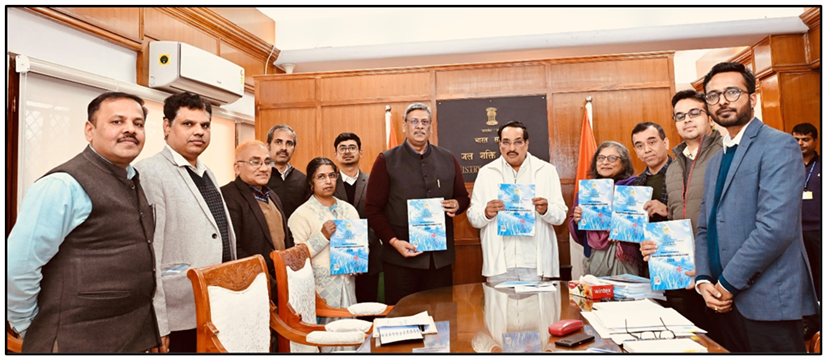
- The Ministry of Jal Shakti has released the Dynamic Ground Water Resource Assessment Report 2025, providing a detailed analysis of the country’s aquifer health and water usage.
- The report highlights a positive trend, showing an increase in the total annual ground water recharge and a gradual decline in the stage of extraction compared to previous years.
- This annual assessment is a collaborative effort between the Central Ground Water Board (CGWB) and various State Governments/Union Territories to guide sustainable water management policies.
Key Findings
- Recharge & Availability:
- Total annual groundwater recharge: 446.90 BCM.
- Annual extractable resource: 398.82 BCM.
- Net annual availability: 173.18 BCM (after deducting 245.64 BCM annual extraction).
- Stage of Groundwater Extraction (SOE):
- National average SOE: 60.47% (up from 59.21% in 2017).
- SOE >100% indicates over-extraction (draft exceeds recharge in that unit).
- Unit-wise Classification (out of 6,762 assessment units):
- Safe: 73.4% (up from 62.6% in 2017).
- Over-exploited: 11.13% (751 units; down from 17.24% in 2017).
- Critical: 4.45%
- Semi-critical: 6.62%
Regional Groundwater Stress
- High-concentration zones of over-exploited units:
- Northwest: Punjab, Haryana, Delhi, Western Uttar Pradesh.
- West & South: Rajasthan, Gujarat, Tamil Nadu.
- States like Punjab, Haryana, Rajasthan, Delhi, and Dadra & Nagar Haveli and Daman & Diu continue to report SOE >100%.
Additional Info
- Institutional & Legal Framework:
- Central Ground Water Board (CGWB): The national apex organization under the Ministry of Jal Shakti responsible for monitoring and managing ground water resources.
- Constitutional Position: While Water is a State Subject (Entry 17, List II), the Central Government provides policy frameworks and technical support under the Environment (Protection) Act, 1986.
- Article 21: The Supreme Court has repeatedly interpreted the Right to Life to include the right to access clean and sufficient water.
- Key Government Initiatives:
- Atal Bhujal Yojana (ABY): A ₹6,000 crore World Bank-funded central sector scheme focusing on community-led sustainable ground water management in water-stressed blocks.
- Jal Shakti Abhiyan (JSA): A campaign focused on rainwater harvesting, borewell recharge, and intensive afforestation.
- PM-KUSUM: Promotes solar irrigation pumps to reduce the use of diesel/electricity, indirectly helping regulate ground water extraction through better power management.
- Assessment Methodology: The report follows the GEC-2015 (Ground Water Estimation Methodology), which considers both rainfall and non-monsoon sources like canal seepage and return flow from irrigation.
Sources
Centre Launches Integrated E-Bill Platform for ₹2 Lakh Crore Fertiliser Subsidy Processing
What’s the News?
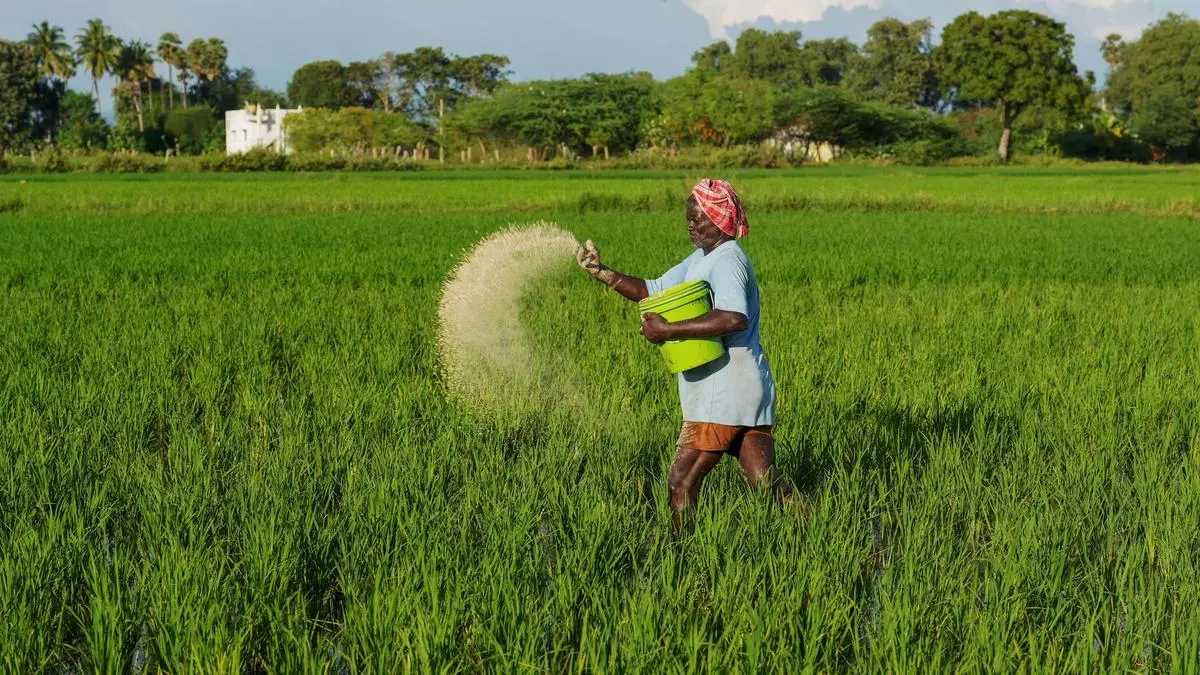
The Union Government has launched an integrated e-bill platform to fully digitise processing of fertiliser subsidies, valued at nearly ₹2 lakh crore annually. Inaugurated by Union Minister Jagat Prakash Nadda, the system replaces paper-based workflows with an end-to-end digital process for claim submission, verification, and disbursement.
Key Features of the E-Bill Platform
- End-to-End Digitisation:
- Eliminates physical bill movement and manual scrutiny.
- Enables online submission, approval, and real-time tracking of subsidy claims.
- System Integration:
- Built by integrating the Integrated Fertiliser Management System (iFMS) of the Department of Fertilisers and the Public Financial Management System (PFMS) of the Ministry of Finance.
- Operational Efficiency:
- Implements first-in-first-out (FIFO) claim processing.
- Supports weekly subsidy releases, cutting payment delays.
- Transparency & Accountability:
- Provides a tamper-proof digital audit trail.
- Features built-in validation checks to ensure compliance and reduce fraud risks.
Institutional Framework & Governance
- iFMS: A department-specific financial management system used by the Department of Fertilisers (Ministry of Chemicals & Fertilisers) for budgeting, accounting, and payment processing.
- PFMS: A central platform under the Controller General of Accounts, Ministry of Finance, designed for real-time fund tracking, monitoring, and reporting for all Central schemes.
- Oversight by key officials:
- Fertilisers Secretary Rajat Kumar Mishra (platform design & rollout).
- CGA Santosh Kumar (financial control & audit integrity).
Additional Info
- Public Financial Management System (PFMS):
- A web-based online software application developed and implemented by the Controller General of Accounts (CGA), Ministry of Finance.
- It facilitates direct payment to beneficiaries and real-time monitoring of government expenditure.
- Fertiliser Subsidy Framework:
- Urea Subsidy: Provided to farmers at a statutorily notified Maximum Retail Price (MRP); the difference between the cost of production/import and the MRP is paid to manufacturers/importers as a subsidy.
- Nutrient Based Subsidy (NBS): Applicable to Phosphatic and Potassic (P&K) fertilisers, where a fixed amount of subsidy is decided based on the nutrient content.
- Controller General of Accounts (CGA):
- The principal advisor on accounting matters to the Union Government and is responsible for establishing and maintaining a technically sound management accounting system.
Sources
BSNL Launches Nationwide Voice over WiFi (VoWiFi) Service
What’s the News?
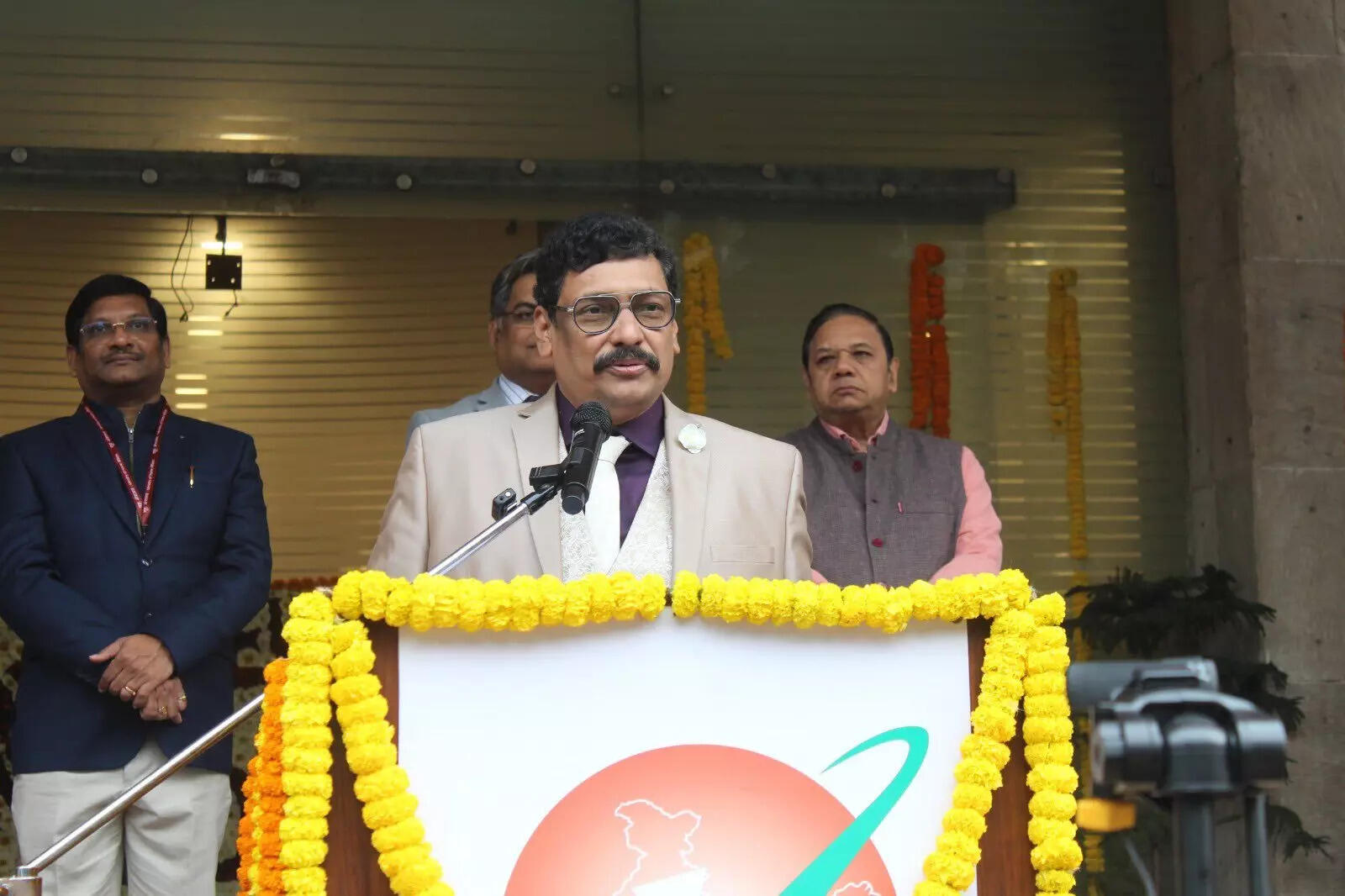
Bharat Sanchar Nigam Limited (BSNL) has launched Voice over WiFi (VoWiFi) services nationwide across all telecom circles as of 1 January 2026. The service allows users to make and receive voice calls and SMS using a Wi-Fi connection, especially beneficial in areas with weak or no mobile signal, such as basements, rural homes, offices, and remote locations.
Key Technical & Operational Features
- IMS-Based Architecture:
- Utilises IP Multimedia Subsystem (IMS) for secure, carrier-grade voice delivery.
- No third-party apps required—uses existing phone dialer and mobile number.
- Seamless Handover: Supports automatic switching between Wi-Fi and mobile networks without call drop.
- Authentication & Security: Secure login via SIM credentials ensures end-to-end encryption and user identity verification.
- Accessibility & Compatibility:
- Available to all BSNL 4G customers at no extra cost.
- Compatible with most modern smartphones (Android/iOS), with settings typically under “Wi-Fi Calling”.
Additional Info
- Regulatory & Policy Framework:
- VoWiFi falls under Telecom Regulatory Authority of India (TRAI) guidelines for converged services (2023 consultation paper on IP-based voice).
- Part of BSNL’s Network Modernisation Programme, backed by ₹61,000 crore revival package approved in 2022.
- Implementation Authority:
- Launched under direction of Department of Telecommunications (DoT), Ministry of Communications.
- CMD A. Robert J. Ravi announced the rollout as part of BSNL’s “New Year, New Connect” initiative.
- Comparison with Alternatives:
- Unlike OTT calling (e.g., WhatsApp), VoWiFi retains emergency dialling (112), lawful interception, and interconnection with PSTN, critical for public safety.
Sources
Government Rolls Out ₹4,531 Crore Market Access Support for Exporters

What’s the News?
- The Ministry of Commerce and Industry has launched a revamped Market Access Initiative (MAI) scheme with a financial outlay of ₹4,531 crore.
- The scheme is designed to provide sustained financial support to Indian exporters to enhance their presence in international markets and reach a target of $2 trillion in exports by 2030.
- The primary focus is on promoting "Brand India" through marketing activities, standardisation, and addressing technical barriers to trade.
Key Components of the Support Scheme
- Market Development Activities:
- Financial assistance for participating in international trade fairs, exhibitions, and Buyer-Seller Meets (BSMs).
- Support for conducting market surveys, branding campaigns, and product launches in overseas markets.
- Capacity Building & Compliance:
- Funding for the statutory compliance of products, including registration charges for pharmaceuticals, agrochemicals, and cosmetics.
- Support for the testing of export products to meet international standards and quality certifications.
- Targeted Sectors:
- Special emphasis on MSMEs, handlooms, handicrafts, and agricultural exports to help small-scale producers enter global value chains.
- Assistance for Export Promotion Councils (EPCs) and industry bodies to organize "India Pavilions" at major global events.
- Logistics & Digital Support:
- Development of digital marketing portals and e-commerce integration for exporters.
- Reimbursement of airfare for participants from marginalized sectors and startups under specific criteria.
Additional Info
- Market Access Initiative (MAI) Scheme:
- An Export Promotion Scheme acting as a catalyst to promote India's exports on a focus product-focus country basis.
- Administered by the Directorate General of Foreign Trade (DGFT) under the Ministry of Commerce.
- Foreign Trade Policy (FTP) 2023:
- Provides the overarching framework for these initiatives, moving from an incentive-based regime to a remission and entitlement-based regime.
- Constitutional Context:
- Trade and Commerce with foreign countries falls under the Union List (Entry 41, List I) of the Seventh Schedule.
- Article 282: Allows the Union to make grants for any public purpose, which includes financial support for economic development and trade.
Sources
Goa to Form Third District "Kushavati" with Quepem as Headquarters
What’s the News?
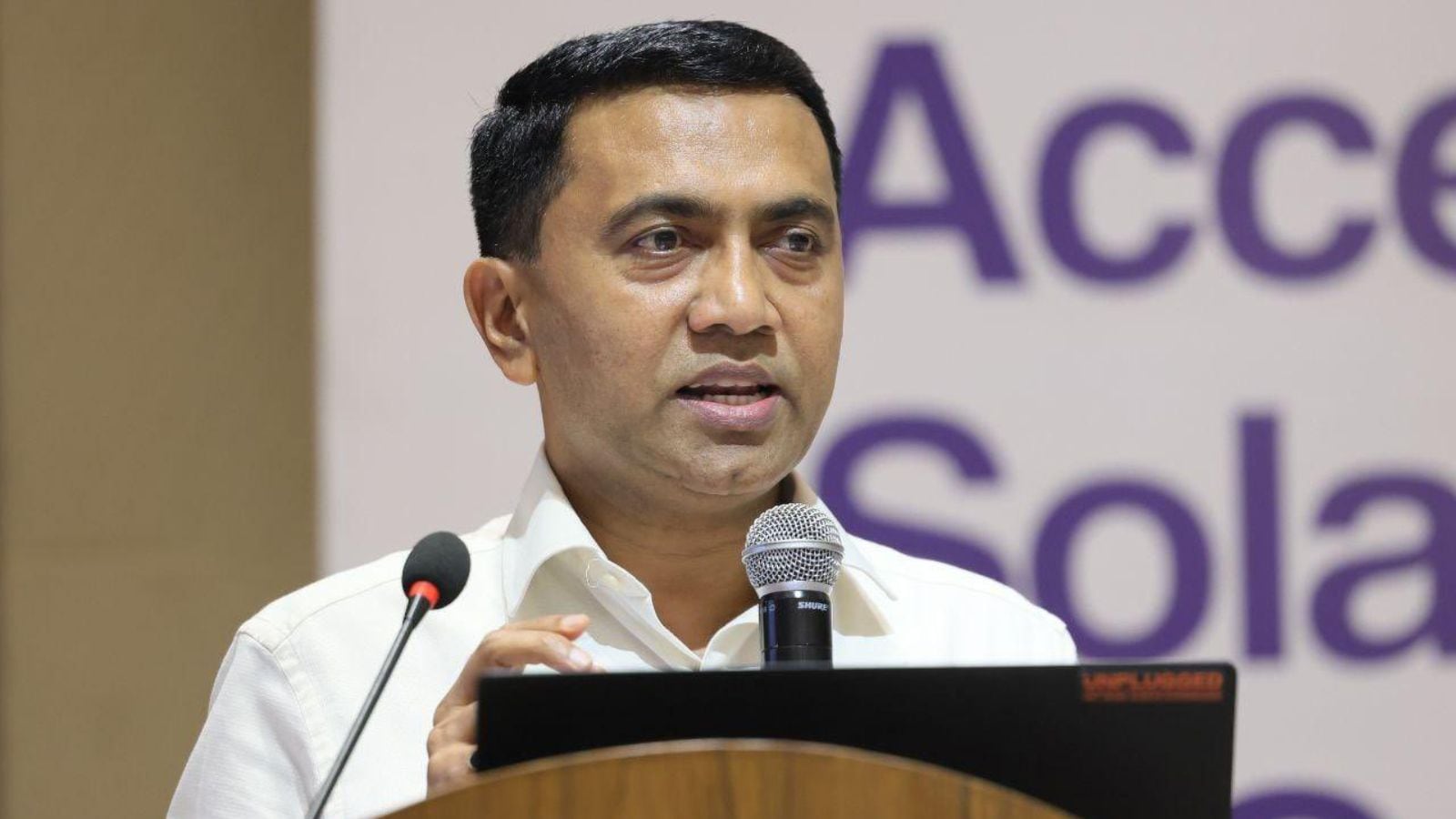
- Chief Minister Pramod Sawant announced that the Goa Government will officially form a third district in the state to improve administrative efficiency.
- The new district is set to be named Kushavati, after the Kushavati River, which holds significant historical and cultural importance in the region.
- Quepem has been designated as the headquarters for this new administrative unit.
The New District: Kushavati?
- Geographic Composition: The district will be carved out from existing areas, primarily incorporating the talukas of Quepem, Sanguem, Canacona, and potentially Dharbandora.
- Headquarters: Quepem was chosen due to its central location and existing administrative infrastructure, making it accessible for the residents of the southern and interior talukas.
- Etymology: The name Kushavati refers to the river known for the prehistoric rock carvings (petroglyphs) at Pansaimol, reflecting the state's ancient heritage.
- Administrative Goal: The creation of this district aims to bring government services closer to people living in remote and hilly areas who currently travel long distances to North or South Goa district offices.
Additional Info
- Constitutional and Legal Basis:
- Article 3: While Article 3 of the Constitution deals with the formation of new States, the power to create new districts within a state rests entirely with the State Government.
- This is typically done through an executive order or by passing a law in the State Legislative Assembly.
- Administrative Structure in India:
- District Collector/Magistrate: The head of the district administration, responsible for law and order, revenue collection, and implementation of government schemes.
- Taluka/Tehsil: The sub-division of a district; Goa currently has 12 talukas.
- Historical Context of Goa's Districts:
- Goa was a single district Union Territory after its liberation in 1961.
- It was divided into North Goa and South Goa districts in 1987, the same year it achieved full statehood.
Sources
Centre Launches Land Stack Glossary and Pilot to Modernize Land Governance
What’s the News?
- The Ministry of Rural Development has launched the Land Stack Glossary, a comprehensive document aimed at standardizing land-related terminology across India.
- Alongside the glossary, the Land Stack Pilot project was inaugurated in Chandigarh and Tamil Nadu by Minister of State Chandra Sekhar Pemmasani.
Land Stack: Key Features & Objectives
- Integrated GIS-Based Platform:
- Consolidates land records, ownership details, cadastral maps, mutation history, encumbrance certificates, and land-use classification across departments.
- Built on geo-spatial infrastructure for accurate land parcel identification and boundary mapping.
- Citizen & Administrative Benefits:
- Enables single-window access to land-related data, reducing duplication and error-prone manual searches.
- Reduces risk of fraudulent or non-compliant property transactions by improving data transparency.
- Supports inter-departmental coordination (e.g., revenue, urban development, forest, and disaster management departments).
- Scalability & Standards:
- Designed as a national framework—pilot outcomes will inform pan-India rollout.
- Aligns with international best practices from Singapore, UK, and Finland.
Glossary of Revenue Terms (GoRT)
- First-ever standardised national lexicon for over 1,200 land and revenue administration terms.
- Resolves regional terminological inconsistencies (e.g., patta, khasra, jamabandi, khatauni) to ensure uniform understanding across states and digital systems.
- Critical for effective implementation of DILRMP, e-Dharti, and future land reforms.
Additional Info
- Digital India Land Records Modernization Programme (DILRMP):
- The central sector scheme that forms the foundation for the Land Stack initiative.
- It aims to modernize management of land records, minimize scope of land/property disputes, and enhance transparency in the land records maintenance system.
- Bhu-Aadhar (ULPIN):
- The Unique Land Parcel Identification Number (ULPIN) is a 14-digit alphanumeric ID for every land parcel in India, often called "Aadhar for Land".
- Constitutional Context:
- Land is a State Subject under Entry 18 of the State List (List II) of the Seventh Schedule.
- However, the Central Government provides technical and financial assistance for modernization through initiatives like the Land Stack.
Sources
January 2026
Archive
October 2026
- 28 October 2026
- 27 October 2026
- 26 October 2026
- 24 October 2026
- 23 October 2026
- 22 October 2026
- 21 October 2026
- 20 October 2026
- 19 October 2026
- 17 October 2026
- 16 October 2026
- 15 October 2026
- 14 October 2026
- 13 October 2026
- 12 October 2026
- 10 October 2026
- 09 October 2026
- 08 October 2026
- 07 October 2026
- 06 October 2026
- 05 October 2026
- 03 October 2026
- 02 October 2026
- 01 October 2026
September 2026
- 30 September 2026
- 29 September 2026
- 28 September 2026
- 26 September 2026
- 25 September 2026
- 24 September 2026
- 23 September 2026
- 22 September 2026
- 21 September 2026
- 19 September 2026
- 18 September 2026
- 17 September 2026
- 16 September 2026
- 15 September 2026
- 12 September 2026
- 11 September 2026
- 10 September 2026
- 09 September 2026
- 08 September 2026
- 07 September 2026
- 05 September 2026
- 04 September 2026
- 03 September 2026
- 02 September 2026
- 01 September 2026
August 2026
- 31 August 2026
- 29 August 2026
- 27 August 2026
- 26 August 2026
- 25 August 2026
- 24 August 2026
- 22 August 2026
- 21 August 2026
- 20 August 2026
- 19 August 2026
- 18 August 2026
- 17 August 2026
- 14 August 2026
- 13 August 2026
- 12 August 2026
- 11 August 2026
- 10 August 2026
- 08 August 2026
- 07 August 2026
- 06 August 2026
- 05 August 2026
- 04 August 2026
- 03 August 2026
- 01 August 2026
July 2026
- 31 July 2026
- 30 July 2026
- 29 July 2026
- 28 July 2026
- 27 July 2026
- 25 July 2026
- 23 July 2026
- 22 July 2026
- 21 July 2026
- 20 July 2026
- 18 July 2026
- 17 July 2026
- 15 July 2026
- 14 July 2026
- 13 July 2026
- 11 July 2026
- 10 July 2026
- 09 July 2026
- 08 July 2026
- 07 July 2026
- 06 July 2026
- 04 July 2026
- 03 July 2026
- 02 July 2026
- 01 July 2026
June 2026
May 2026
April 2026
March 2026
- 31 March 2026
- 30 March 2026
- 28 March 2026
- 27 March 2026
- 26 March 2026
- 25 March 2026
- 24 March 2026
- 23 March 2026
- 21 March 2026
- 20 March 2026
- 19 March 2026
- 18 March 2026
- 17 March 2026
- 16 March 2026
- 14 March 2026
- 13 March 2026
- 12 March 2026
- 11 March 2026
- 10 March 2026
- 09 March 2026
- 07 March 2026
- 06 March 2026
- 05 March 2026
- 03 March 2026
- 02 March 2026
February 2026
- 28 February 2026
- 27 February 2026
- 26 February 2026
- 25 February 2026
- 24 February 2026
- 23 February 2026
- 21 February 2026
- 20 February 2026
- 19 February 2026
- 18 February 2026
- 17 February 2026
- 16 February 2026
- 13 February 2026
- 12 February 2026
- 11 February 2026
- 10 February 2026
- 09 February 2026
- 07 February 2026
- 06 February 2026
- 05 February 2026
- 04 February 2026
- 03 February 2026
- 02 February 2026
January 2026
- 31 January 2026
- 30 January 2026
- 29 January 2026
- 28 January 2026
- 27 January 2026
- 26 January 2026
- 24 January 2026
- 23 January 2026
- 22 January 2026
- 21 January 2026
- 20 January 2026
- 19 January 2026
- 16 January 2026
- 15 January 2026
- 14 January 2026
- 13 January 2026
- 12 January 2026
- 10 January 2026
- 09 January 2026
- 08 January 2026
- 07 January 2026
- 06 January 2026
- 05 January 2026
- 03 January 2026
- 02 January 2026
- 01 January 2026
December 2025
- 31 December 2025
- 30 December 2025
- 29 December 2025
- 27 December 2025
- 26 December 2025
- 24 December 2025
- 23 December 2025
- 22 December 2025
- 20 December 2025
- 19 December 2025
- 18 December 2025
- 17 December 2025
- 16 December 2025
- 15 December 2025
- 13 December 2025
- 12 December 2025
- 11 December 2025
- 10 December 2025
- 09 December 2025
- 08 December 2025
- 05 December 2025
- 04 December 2025
- 03 December 2025
- 02 December 2025
November 2025
- 29 November 2025
- 28 November 2025
- 27 November 2025
- 26 November 2025
- 25 November 2025
- 24 November 2025
- 22 November 2025
- 21 November 2025
- 20 November 2025
- 19 November 2025
- 18 November 2025
- 17 November 2025
- 15 November 2025
- 14 November 2025
- 13 November 2025
- 12 November 2025
- 11 November 2025
- 10 November 2025
- 08 November 2025
- 07 November 2025
- 06 November 2025
- 05 November 2025
- 04 November 2025
- 03 November 2025
- 01 November 2025
October 2025
- 31 October 2025
- 30 October 2025
- 29 October 2025
- 28 October 2025
- 27 October 2025
- 25 October 2025
- 24 October 2025
- 23 October 2025
- 22 October 2025
- 21 October 2025
- 20 October 2025
- 18 October 2025
- 17 October 2025
- 16 October 2025
- 15 October 2025
- 14 October 2025
- 13 October 2025
- 11 October 2025
- 10 October 2025
- 09 October 2025
- 08 October 2025
- 07 October 2025
- 06 October 2025
- 04 October 2025
- 03 October 2025
- 02 October 2025
- 01 October 2025
September 2025
- 30 September 2025
- 29 September 2025
- 27 September 2025
- 26 September 2025
- 25 September 2025
- 24 September 2025
- 23 September 2025
- 22 September 2025
- 20 September 2025
- 19 September 2025
- 18 September 2025
- 17 September 2025
- 16 September 2025
- 15 September 2025
- 13 September 2025
- 12 September 2025
- 11 September 2025
- 10 September 2025
- 09 September 2025
- 08 September 2025
- 06 September 2025
- 05 September 2025
- 04 September 2025
- 03 September 2025
- 02 September 2025
- 01 September 2025
August 2025
- 30 August 2025
- 29 August 2025
- 28 August 2025
- 27 August 2025
- 26 August 2025
- 25 August 2025
- 23 August 2025
- 22 August 2025
- 21 August 2025
- 20 August 2025
- 19 August 2025
- 18 August 2025
- 16 August 2025
- 14 August 2025
- 13 August 2025
- 12 August 2025
- 11 August 2025
- 08 August 2025
- 07 August 2025
- 06 August 2025
- 05 August 2025
- 04 August 2025
- 02 August 2025
- 01 August 2025
July 2025
- 31 July 2025
- 30 July 2025
- 29 July 2025
- 28 July 2025
- 26 July 2025
- 25 July 2025
- 24 July 2025
- 23 July 2025
- 22 July 2025
- 21 July 2025
- 19 July 2025
- 18 July 2025
- 17 July 2025
- 16 July 2025
- 15 July 2025
- 12 July 2025
- 11 July 2025
- 10 July 2025
- 09 July 2025
- 07 July 2025
- 05 July 2025
- 04 July 2025
- 03 July 2025
- 02 July 2025
- 01 July 2025
June 2025
- 30 June 2025
- 28 June 2025
- 27 June 2025
- 26 June 2025
- 25 June 2025
- 24 June 2025
- 23 June 2025
- 21 June 2025
- 20 June 2025
- 19 June 2025
- 18 June 2025
- 17 June 2025
- 16 June 2025
- 14 June 2025
- 13 June 2025
- 12 June 2025
- 11 June 2025
- 10 June 2025
- 09 June 2025
- 07 June 2025
- 06 June 2025
- 05 June 2025
- 04 June 2025
- 03 June 2025
- 02 June 2025
May 2025
April 2025
- 30 April 2025
- 29 April 2025
- 28 April 2025
- 26 April 2025
- 25 April 2025
- 24 April 2025
- 23 April 2025
- 22 April 2025
- 21 April 2025
- 19 April 2025
- 18 April 2025
- 17 April 2025
- 16 April 2025
- 15 April 2025
- 14 April 2025
- 12 April 2025
- 11 April 2025
- 10 April 2025
- 09 April 2025
- 08 April 2025
- 07 April 2025
- 05 April 2025
- 04 April 2025
- 03 April 2025
- 02 April 2025
- 01 April 2025
March 2025
- 31 March 2025
- 29 March 2025
- 28 March 2025
- 27 March 2025
- 26 March 2025
- 25 March 2025
- 24 March 2025
- 22 March 2025
- 21 March 2025
- 20 March 2025
- 19 March 2025
- 18 March 2025
- 17 March 2025
- 15 March 2025
- 13 March 2025
- 12 March 2025
- 11 March 2025
- 10 March 2025
- 08 March 2025
- 07 March 2025
- 06 March 2025
- 05 March 2025
- 04 March 2025
- 03 March 2025
- 01 March 2025
February 2025
- 28 February 2025
- 27 February 2025
- 26 February 2025
- 25 February 2025
- 24 February 2025
- 22 February 2025
- 21 February 2025
- 20 February 2025
- 19 February 2025
- 18 February 2025
- 17 February 2025
- 15 February 2025
- 14 February 2025
- 13 February 2025
- 12 February 2025
- 11 February 2025
- 10 February 2025
- 08 February 2025
- 07 February 2025
- 06 February 2025
- 05 February 2025
- 04 February 2025
- 03 February 2025
- 01 February 2025
January 2025
- 31 January 2025
- 30 January 2025
- 29 January 2025
- 28 January 2025
- 27 January 2025
- 25 January 2025
- 24 January 2025
- 23 January 2025
- 22 January 2025
- 21 January 2025
- 20 January 2025
- 18 January 2025
- 17 January 2025
- 16 January 2025
- 15 January 2025
- 14 January 2025
- 13 January 2025
- 11 January 2025
- 10 January 2025
- 09 January 2025
- 08 January 2025
- 07 January 2025
- 06 January 2025
- 04 January 2025
- 03 January 2025
- 02 January 2025
- 01 January 2025