
Current Affairs
Stay updated with the latest national and international events.
02 August 2025
India Marks 15th Organ Donation Day with Record Transplants and Pledges
What’s New?
- India has achieved a record of over 18,900 organ transplants in 2024, the highest in a single year, alongside more than 3.30 lakh people pledging their organs since the launch of the Aadhar-based NOTTO online pledge website in 2023.
- Union Health Minister JP Nadda stressed the importance of raising awareness and outlined government efforts to bolster organ transplantation, including financial aid for underprivileged patients.

Organ Donation in India
- Organ donation has gained significant momentum in India, with the country now ranking third globally in total organ transplants, trailing only the United States and China.
- The 15th Organ Donation Day highlights the critical role of public participation in bridging the gap between organ demand and supply.
- Key details:
- Over 18,900 transplants in 2024, including 13,476 kidney transplants.
- More than 3.30 lakh organ donation pledges since 2023.
- Financial assistance of up to ₹15 lakh provided under Rashtriya Arogya Nidhi for kidney, liver, heart, and lung transplants.
- Kidney transplant package integrated into Ayushman Bharat Pradhan Mantri Jan Arogya Yojana (AB PM-JAY).
Societal Significance
- The surge in organ transplants and pledges addresses a pressing healthcare need, with over 63,000 individuals awaiting kidney transplants and approximately 22,000 requiring liver transplants.
- A single donor can save up to eight lives, enhancing healthcare outcomes and offering a lifeline to patients in need.
Additional Info
In 2024, India conducted 13,476 kidney transplants, with Delhi at the forefront, followed by Tamil Nadu, Maharashtra, and Kerala. The nation also excels globally in hand transplants, reflecting advanced medical expertise. Key government initiatives include:
- Rashtriya Arogya Nidhi: Up to ₹15 lakh for transplantation and ₹10,000 monthly post-transplant support.
- Ayushman Bharat PM-JAY: Covers kidney transplant packages for broader accessibility.
- Angdaan – Jeevan Sanjeevani Abhiyan: A nationwide campaign to promote organ donation and tackle misconceptions.
Sources
FSSAI and Ministry of Ayush Release Definitive List of Ayurveda Aahara Products
What’s New?
- The Food Safety and Standards Authority of India (FSSAI), in collaboration with the Ministry of Ayush, has released a definitive list of Ayurveda Aahara products.
- This initiative aims to promote holistic nutrition by integrating traditional Ayurvedic principles with modern food safety standards.
- The list serves as a standardized reference for products rooted in ancient Indian wisdom, enhancing consumer trust and ensuring authenticity.
Ayurveda Aahara Products
- Ayurveda Aahara refers to food products prepared according to Ayurvedic principles, an ancient Indian system of medicine focused on balancing the body’s doshas (energies) to promote health and well-being.
- The list includes items such as herbal teas, dietary supplements, and functional foods, categorized by ingredients, preparation methods, and intended health benefits.
- It is designed to assist manufacturers, retailers, and consumers, fostering the growth of the Ayurveda Aahara market while ensuring product safety and quality.
Cultural and Health Significance
- This release bridges traditional knowledge and modern regulation, potentially boosting the Ayurveda industry and encouraging research in holistic health.
- It ensures access to safe, standardized products, supporting public health.
- The move aligns with the government’s emphasis on promoting traditional medicine systems and reflects global interest in natural wellness solutions.
Additional Information
- FSSAI regulates food safety in India, while the Ministry of Ayush oversees traditional medicine systems, including Ayurveda.
- Their collaboration underscores a commitment to blending heritage with contemporary standards.
- The list’s development likely involved consultations with experts in Ayurveda, food science, and regulation.
- It builds on initiatives like the establishment of the Ayush Ministry in 2014 and the National Ayush Mission, which seeks to enhance Ayush services and public health infrastructure.
Sources
Telangana Police Rescue Over 7,600 Children in Operation Muskaan XI

What’s New?
- The Telangana police, spearheaded by the Women Safety Wing, executed Operation Muskaan XI, rescuing 7,678 children from exploitation, including child labor and trafficking.
- The operation led to 1,713 cases being registered, 1,718 individuals arrested, and a Rs 47.76 lakh fine imposed on employers.
- Immediate impacts include the reunification of thousands of children with their families and enrollment of many in schools.
Operation Muskaan XI: Child Protection Initiative
- Overview:
- Operation Muskaan XI, a Ministry of Home Affairs initiative, aims to combat child exploitation by rescuing children from labor, trafficking, and begging, while ensuring their rehabilitation.
- Key details:
- Rescued children: 7,678 (7,149 boys, 529 girls)
- Origin: 3,787 from other states (e.g., Odisha, Bihar, Rajasthan) and Nepal
- Exploitation types: 6,718 child laborers, 357 street children, 42 beggars, 2 bonded laborers, 559 others
- Legal outcomes: 1,713 cases, 1,718 arrests, Rs 47.76 lakh fine
- Objective:
- To enforce child protection laws and dismantle exploitation networks through coordinated efforts with NGOs and government agencies.
Social and Policy Significance
- Reinforces India’s commitment to child rights under the Juvenile Justice Act, 2015 and Child Labour Act, 1986, addressing systemic issues like inter-state trafficking.
- Highlights the role of multi-agency collaboration in governance, setting a precedent for state-level child welfare interventions.
- Emphasizes rehabilitation and education as tools to break the cycle of poverty and exploitation, aligning with SDG 4 (Quality Education) and SDG 8 (Decent Work).
Additional Info
- Rehabilitation: 6,593 children reunited with families, 1,049 placed in rescue homes, and 2,600 enrolled in schools.
- Methodology: Involved 121 police teams with 786 officers, targeting high-risk areas like railway stations and construction sites.
- Scale: In Hyderabad, 1,247 children rescued and 55 FIRs filed; Rachakonda commissionerate rescued 2,479 children.
- Policy context: Builds on prior operations like Operation Smile, reflecting sustained efforts against child exploitation.
- Legal framework: Actions supported by the Minimum Wages Act and Bonded Labour System (Abolition) Act, 1976.
Sources
India Rejects UK Parliamentary Committee Report on Transnational Repression
What’s New?
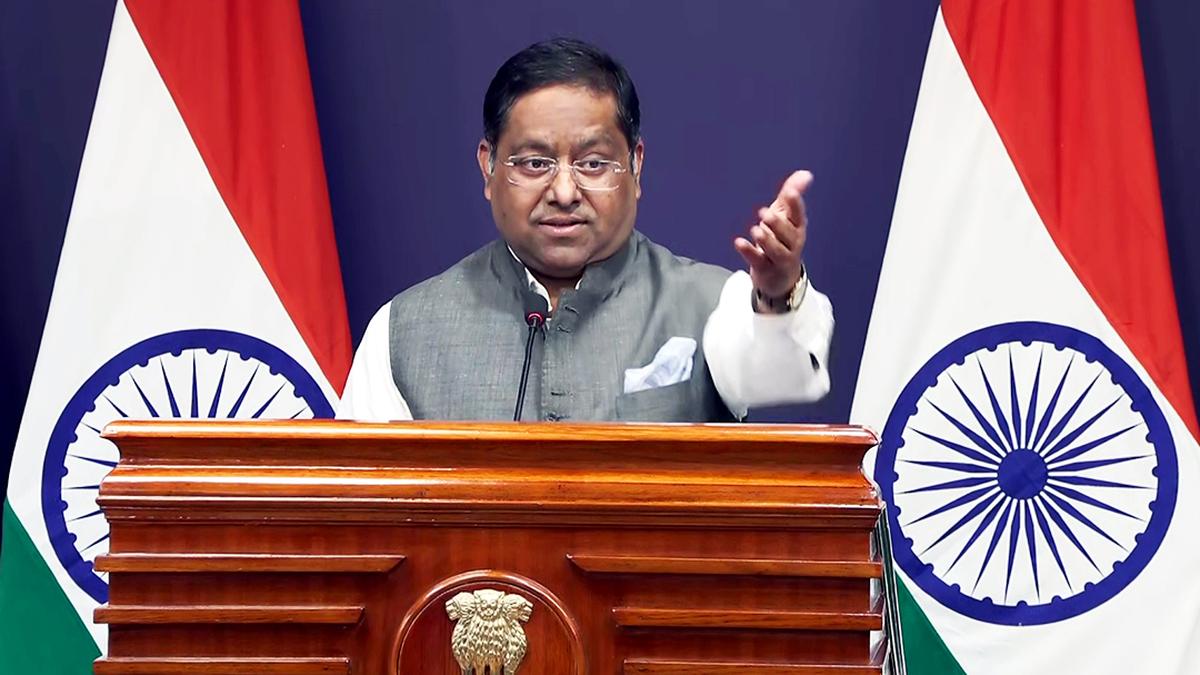
- India has outright rejected a UK parliamentary report accusing it of "transnational repression" on British soil.
- The Ministry of External Affairs (MEA) labeled the allegations "baseless," criticizing the report's reliance on "unverified" and "dubious sources."
- The UK report listed India among several nations allegedly intimidating or silencing individuals abroad.
Transnational Repression Report?
- Overview:
- The UK Parliament’s Joint Committee on Human Rights released a report claiming multiple countries, including India, engage in transnational repression in the UK.
- It relies on evidence like personal accounts and submissions from diaspora groups, though India contests its validity.
- Key Details:
- Countries Named: India, China, Russia, Iran, and others (total 12).
- Evidence Source: Includes groups like Sikhs for Justice, banned in India as a pro-Khalistan outfit.
- MEA Response: Spokesperson Randhir Jaiswal called the report’s sources unreliable and biased against India.
- Objective:
- The report seeks to expose state-sponsored suppression abroad, but India’s rebuttal challenges its credibility.
Diplomatic Significance
- India’s rejection reflects its strong commitment to sovereignty and resistance to external interference.
- It raises questions about the reliability of international reports, critical for diplomatic credibility.
- This could impact India-UK ties, especially amid ongoing trade and strategic discussions.
Additional Info
- Report Details:
- Released by the Joint Committee on Human Rights, it cites alleged misuse of Interpol by India, a claim India refutes.
- Based on submissions from diaspora and activist groups, including banned entities.
- India’s Position:
- The MEA asserts the allegations fit a pattern of anti-India narratives lacking evidence.
- Context:
- Transnational repression involves state actions to curb dissent overseas, a growing global concern.
Sources
India's Forex Reserves Rise by $2.7 Billion to $698.19 Billion

What’s New?
- India's foreign exchange reserves surged by $2.7 billion, reaching $698.19 billion as of July 25, 2025, according to the Reserve Bank of India (RBI).
- This increase follows a decline of $1.183 billion in the prior week, indicating a rebound in reserve levels.
Forex Reserves Update
- Overview: The rise in reserves is driven by gains in key components, reflecting robust foreign investment inflows and effective reserve management by the RBI.
- Key Details:
- Total Reserves: $698.19 billion, up $2.7 billion
- Foreign Currency Assets: $588.926 billion, up $1.316 billion
- Gold Reserves: $85.704 billion, up $1.206 billion
- Special Drawing Rights (SDRs): $18.809 billion, up $126 million
- Reserve Position in IMF: $4.753 billion, up $55 million
- The increase is linked to strong foreign direct investment (FDI) and foreign portfolio investment (FPI) inflows, with notable figures of $8.8 billion in FDI in April 2025 and $1.7 billion in FPI in May 2025.
- RBI’s Role: The RBI intervenes in the forex market to stabilize the rupee and curb excessive volatility, ensuring orderly market conditions.
Additional Info
- Historical Context: Reserves have trended upward recently, growing from $692.721 billion in late May 2025 to $698.19 billion by July 2025, after hitting a peak of $704.885 billion in September 2024.
- Global Standing: India ranks among the top nations with the largest forex reserves, a testament to its economic strength.
- Policy Framework: The RBI’s proactive management supports rupee stability and aligns with broader monetary policy goals.
Sources
India's GST Collections Rise by 7.5% in July 2025
What’s New?
- India's Gross Goods and Services Tax (GST) collections for July 2025 increased by 7.5% year-on-year, reaching Rs 1.96 lakh crore, as per government data.
- The growth was driven by higher revenue from domestic transactions and imports, though the pace was slower than in recent months.
- A notable 66.8% surge in refunds to Rs 27,147 crore impacted net revenue growth.
GST Collections Update
- Overview:
- The GST collections reflect steady economic activity and improved compliance, with July marking the seventh consecutive month of collections exceeding Rs 1.8 lakh crore.
- Key details:
- Gross collections: Rs 1.96 lakh crore (up 7.5% YoY)
- Domestic transactions: Rs 1.43 lakh crore (up 6.7% YoY)
- Imports: Rs 52,712 crore (up 9.5% YoY)
- Refunds: Rs 27,147 crore (up 66.8% YoY)
- Net revenue: Rs 1.69 lakh crore (up 1.7% YoY)
- Objective:
- To sustain fiscal health and support government expenditure through consistent tax revenue growth.
Additional Info
- Historical context:
- GST collections have shown consistent growth, with April 2025 recording an all-time high of Rs 2.37 lakh crore.
- Between April and July 2025, gross GST revenue rose by 10.7% to Rs 8.18 lakh crore compared to the same period in 2024.
- State-wise performance:
- Smaller states like Tripura (+41%), Meghalaya (+26%), and Sikkim (+23%) posted strong growth.
- Larger states such as Maharashtra (+6%), Karnataka (+7%), and Tamil Nadu (+8%) saw moderate increases, while Gujarat recorded a muted 3% rise.
- Policy framework:
- The GST Council continues to play a pivotal role in shaping tax policies, with recent reforms aimed at simplifying compliance and boosting revenue.
- Challenges:
- The sharp rise in refunds, particularly for domestic transactions, highlights ongoing issues like inverted duty structures, which may require further policy adjustments.
Sources
Toxic Heavy Metals in Himalayan Clouds Raise Health Concerns

What’s New?
- A study by the Bose Institute, Kolkata, under the Department of Science and Technology, revealed that clouds over the Eastern Himalayas and Western Ghats carry toxic heavy metals, posing carcinogenic and non-carcinogenic health risks, particularly to children.
- The research, led by Dr. Sanat Kumar Das, identified metals like cadmium, chromium, copper, and zinc in non-precipitating clouds, with the Eastern Himalayas showing 1.5 times higher pollution levels than the Western Ghats.
Heavy Metal Contamination in Clouds
- Overview:
- The study challenges the notion of "clean" mountain rain, highlighting how clouds transport toxic metals from polluted lowlands to high-altitude ecosystems, impacting human health and fragile environments.
- Key Details:
- Metals Detected: Cadmium (Cd), Chromium (Cr), Copper (Cu), Zinc (Zn)
- Health Risks: Inhalation of contaminated cloud water increases cancer risk (e.g., due to dissolved chromium) and developmental disorders, with children facing a 30% higher risk than adults.
- Pollution Sources: Vehicular emissions and industrial activities in foothill regions.
- Regional Variation: Eastern Himalayas more polluted due to higher industrial and vehicular activity compared to the Western Ghats.
- Objective:
- To assess health risks from heavy metal exposure via cloud water through inhalation, ingestion, and dermal absorption, using statistical models.
Environmental and Health Significance
- Public Health: The presence of carcinogenic metals in cloud water threatens high-altitude communities relying on precipitation, necessitating urgent monitoring and mitigation.
- Ecosystem Impact: Contamination risks disrupting fragile Himalayan ecosystems, affecting biodiversity and water quality.
- Policy Implications: Highlights the need for stricter emission controls and environmental regulations to curb industrial and vehicular pollution.
Additional Info
- Study Details:
- Published in Environmental Advances (DOI: 10.1016/j.envadv.2025.100647).
- Conducted during the monsoon onset, focusing on non-precipitating clouds.
- Compared to global peers, Indian clouds are less polluted than those in China, Pakistan, Italy, and the United States, but rising pollution levels remain a concern.
- Context:
- Heavy metals (atomic weight 63.5–200.6, density >4000 kg/m³) originate from natural (Earth’s crust) and anthropogenic sources (smelting, mining, industrial activities).
- Over 50 heavy metals exist, with 17 being highly toxic (e.g., arsenic, lead, cadmium).
- Challenges:
- Limited prior data on monsoon cloud contamination complicates risk assessment.
- Rapid urbanization and industrial growth in Himalayan foothills exacerbate pollution.
Sources
August 2025
30 August 202529 August 202528 August 202527 August 202526 August 202525 August 202523 August 202522 August 202521 August 202520 August 202519 August 202518 August 202516 August 202514 August 202513 August 202512 August 202511 August 202508 August 202507 August 202506 August 202505 August 202504 August 202502 August 202501 August 2025
Archive
October 2026
- 28 October 2026
- 27 October 2026
- 26 October 2026
- 24 October 2026
- 23 October 2026
- 22 October 2026
- 21 October 2026
- 20 October 2026
- 19 October 2026
- 17 October 2026
- 16 October 2026
- 15 October 2026
- 14 October 2026
- 13 October 2026
- 12 October 2026
- 10 October 2026
- 09 October 2026
- 08 October 2026
- 07 October 2026
- 06 October 2026
- 05 October 2026
- 03 October 2026
- 02 October 2026
- 01 October 2026
September 2026
- 30 September 2026
- 29 September 2026
- 28 September 2026
- 26 September 2026
- 25 September 2026
- 24 September 2026
- 23 September 2026
- 22 September 2026
- 21 September 2026
- 19 September 2026
- 18 September 2026
- 17 September 2026
- 16 September 2026
- 15 September 2026
- 12 September 2026
- 11 September 2026
- 10 September 2026
- 09 September 2026
- 08 September 2026
- 07 September 2026
- 05 September 2026
- 04 September 2026
- 03 September 2026
- 02 September 2026
- 01 September 2026
August 2026
- 31 August 2026
- 29 August 2026
- 27 August 2026
- 26 August 2026
- 25 August 2026
- 24 August 2026
- 22 August 2026
- 21 August 2026
- 20 August 2026
- 19 August 2026
- 18 August 2026
- 17 August 2026
- 14 August 2026
- 13 August 2026
- 12 August 2026
- 11 August 2026
- 10 August 2026
- 08 August 2026
- 07 August 2026
- 06 August 2026
- 05 August 2026
- 04 August 2026
- 03 August 2026
- 01 August 2026
July 2026
- 31 July 2026
- 30 July 2026
- 29 July 2026
- 28 July 2026
- 27 July 2026
- 25 July 2026
- 23 July 2026
- 22 July 2026
- 21 July 2026
- 20 July 2026
- 18 July 2026
- 17 July 2026
- 15 July 2026
- 14 July 2026
- 13 July 2026
- 11 July 2026
- 10 July 2026
- 09 July 2026
- 08 July 2026
- 07 July 2026
- 06 July 2026
- 04 July 2026
- 03 July 2026
- 02 July 2026
- 01 July 2026
June 2026
May 2026
April 2026
March 2026
- 31 March 2026
- 30 March 2026
- 28 March 2026
- 27 March 2026
- 26 March 2026
- 25 March 2026
- 24 March 2026
- 23 March 2026
- 21 March 2026
- 20 March 2026
- 19 March 2026
- 18 March 2026
- 17 March 2026
- 16 March 2026
- 14 March 2026
- 13 March 2026
- 12 March 2026
- 11 March 2026
- 10 March 2026
- 09 March 2026
- 07 March 2026
- 06 March 2026
- 05 March 2026
- 03 March 2026
- 02 March 2026
February 2026
- 28 February 2026
- 27 February 2026
- 26 February 2026
- 25 February 2026
- 24 February 2026
- 23 February 2026
- 21 February 2026
- 20 February 2026
- 19 February 2026
- 18 February 2026
- 17 February 2026
- 16 February 2026
- 13 February 2026
- 12 February 2026
- 11 February 2026
- 10 February 2026
- 09 February 2026
- 07 February 2026
- 06 February 2026
- 05 February 2026
- 04 February 2026
- 03 February 2026
- 02 February 2026
January 2026
- 31 January 2026
- 30 January 2026
- 29 January 2026
- 28 January 2026
- 27 January 2026
- 26 January 2026
- 24 January 2026
- 23 January 2026
- 22 January 2026
- 21 January 2026
- 20 January 2026
- 19 January 2026
- 16 January 2026
- 15 January 2026
- 14 January 2026
- 13 January 2026
- 12 January 2026
- 10 January 2026
- 09 January 2026
- 08 January 2026
- 07 January 2026
- 06 January 2026
- 05 January 2026
- 03 January 2026
- 02 January 2026
- 01 January 2026
December 2025
- 31 December 2025
- 30 December 2025
- 29 December 2025
- 27 December 2025
- 26 December 2025
- 24 December 2025
- 23 December 2025
- 22 December 2025
- 20 December 2025
- 19 December 2025
- 18 December 2025
- 17 December 2025
- 16 December 2025
- 15 December 2025
- 13 December 2025
- 12 December 2025
- 11 December 2025
- 10 December 2025
- 09 December 2025
- 08 December 2025
- 05 December 2025
- 04 December 2025
- 03 December 2025
- 02 December 2025
November 2025
- 29 November 2025
- 28 November 2025
- 27 November 2025
- 26 November 2025
- 25 November 2025
- 24 November 2025
- 22 November 2025
- 21 November 2025
- 20 November 2025
- 19 November 2025
- 18 November 2025
- 17 November 2025
- 15 November 2025
- 14 November 2025
- 13 November 2025
- 12 November 2025
- 11 November 2025
- 10 November 2025
- 08 November 2025
- 07 November 2025
- 06 November 2025
- 05 November 2025
- 04 November 2025
- 03 November 2025
- 01 November 2025
October 2025
- 31 October 2025
- 30 October 2025
- 29 October 2025
- 28 October 2025
- 27 October 2025
- 25 October 2025
- 24 October 2025
- 23 October 2025
- 22 October 2025
- 21 October 2025
- 20 October 2025
- 18 October 2025
- 17 October 2025
- 16 October 2025
- 15 October 2025
- 14 October 2025
- 13 October 2025
- 11 October 2025
- 10 October 2025
- 09 October 2025
- 08 October 2025
- 07 October 2025
- 06 October 2025
- 04 October 2025
- 03 October 2025
- 02 October 2025
- 01 October 2025
September 2025
- 30 September 2025
- 29 September 2025
- 27 September 2025
- 26 September 2025
- 25 September 2025
- 24 September 2025
- 23 September 2025
- 22 September 2025
- 20 September 2025
- 19 September 2025
- 18 September 2025
- 17 September 2025
- 16 September 2025
- 15 September 2025
- 13 September 2025
- 12 September 2025
- 11 September 2025
- 10 September 2025
- 09 September 2025
- 08 September 2025
- 06 September 2025
- 05 September 2025
- 04 September 2025
- 03 September 2025
- 02 September 2025
- 01 September 2025
August 2025
- 30 August 2025
- 29 August 2025
- 28 August 2025
- 27 August 2025
- 26 August 2025
- 25 August 2025
- 23 August 2025
- 22 August 2025
- 21 August 2025
- 20 August 2025
- 19 August 2025
- 18 August 2025
- 16 August 2025
- 14 August 2025
- 13 August 2025
- 12 August 2025
- 11 August 2025
- 08 August 2025
- 07 August 2025
- 06 August 2025
- 05 August 2025
- 04 August 2025
- 02 August 2025
- 01 August 2025
July 2025
- 31 July 2025
- 30 July 2025
- 29 July 2025
- 28 July 2025
- 26 July 2025
- 25 July 2025
- 24 July 2025
- 23 July 2025
- 22 July 2025
- 21 July 2025
- 19 July 2025
- 18 July 2025
- 17 July 2025
- 16 July 2025
- 15 July 2025
- 12 July 2025
- 11 July 2025
- 10 July 2025
- 09 July 2025
- 07 July 2025
- 05 July 2025
- 04 July 2025
- 03 July 2025
- 02 July 2025
- 01 July 2025
June 2025
- 30 June 2025
- 28 June 2025
- 27 June 2025
- 26 June 2025
- 25 June 2025
- 24 June 2025
- 23 June 2025
- 21 June 2025
- 20 June 2025
- 19 June 2025
- 18 June 2025
- 17 June 2025
- 16 June 2025
- 14 June 2025
- 13 June 2025
- 12 June 2025
- 11 June 2025
- 10 June 2025
- 09 June 2025
- 07 June 2025
- 06 June 2025
- 05 June 2025
- 04 June 2025
- 03 June 2025
- 02 June 2025
May 2025
April 2025
- 30 April 2025
- 29 April 2025
- 28 April 2025
- 26 April 2025
- 25 April 2025
- 24 April 2025
- 23 April 2025
- 22 April 2025
- 21 April 2025
- 19 April 2025
- 18 April 2025
- 17 April 2025
- 16 April 2025
- 15 April 2025
- 14 April 2025
- 12 April 2025
- 11 April 2025
- 10 April 2025
- 09 April 2025
- 08 April 2025
- 07 April 2025
- 05 April 2025
- 04 April 2025
- 03 April 2025
- 02 April 2025
- 01 April 2025
March 2025
- 31 March 2025
- 29 March 2025
- 28 March 2025
- 27 March 2025
- 26 March 2025
- 25 March 2025
- 24 March 2025
- 22 March 2025
- 21 March 2025
- 20 March 2025
- 19 March 2025
- 18 March 2025
- 17 March 2025
- 15 March 2025
- 13 March 2025
- 12 March 2025
- 11 March 2025
- 10 March 2025
- 08 March 2025
- 07 March 2025
- 06 March 2025
- 05 March 2025
- 04 March 2025
- 03 March 2025
- 01 March 2025
February 2025
- 28 February 2025
- 27 February 2025
- 26 February 2025
- 25 February 2025
- 24 February 2025
- 22 February 2025
- 21 February 2025
- 20 February 2025
- 19 February 2025
- 18 February 2025
- 17 February 2025
- 15 February 2025
- 14 February 2025
- 13 February 2025
- 12 February 2025
- 11 February 2025
- 10 February 2025
- 08 February 2025
- 07 February 2025
- 06 February 2025
- 05 February 2025
- 04 February 2025
- 03 February 2025
- 01 February 2025
January 2025
- 31 January 2025
- 30 January 2025
- 29 January 2025
- 28 January 2025
- 27 January 2025
- 25 January 2025
- 24 January 2025
- 23 January 2025
- 22 January 2025
- 21 January 2025
- 20 January 2025
- 18 January 2025
- 17 January 2025
- 16 January 2025
- 15 January 2025
- 14 January 2025
- 13 January 2025
- 11 January 2025
- 10 January 2025
- 09 January 2025
- 08 January 2025
- 07 January 2025
- 06 January 2025
- 04 January 2025
- 03 January 2025
- 02 January 2025
- 01 January 2025