
Current Affairs
Stay updated with the latest national and international events.
01 October 2026
ASEAN–India Maritime Exercise (AIME-2026) Begins at Subic Bay

What’s the News?
- The second edition of the ASEAN–India Maritime Exercise (AIME-2026) has commenced at Subic Bay, Philippines.
- The Indian Navy is represented by INS Sahyadri and INS Kulish, alongside maritime forces from ASEAN member states.
- The exercise is being conducted under the theme “Anchored in Trust, United at Sea.”
- It seeks to improve maritime cooperation, operational coordination, mutual understanding and interoperability between India and ASEAN maritime forces.
- The exercise supports India’s Act East Policy and its MAHASAGAR vision.
AIME-2026
- Nature: Multilateral maritime exercise between India and ASEAN countries.
- Edition: Second.
- Host: Philippines.
- Venue: Subic Bay, a strategically located natural harbour with access to the wider South China Sea region.
- Objective: Build trust and enable participating maritime forces to operate together more effectively through professional interaction and practical training.
Exercise Structure
AIME-2026 is organised in two phases:
- Harbour Phase
- Subject Matter Expert Exchanges.
- Operational synchronisation.
- Sporting and cultural activities.
- Community engagement.
- Pre-sail brief and professional interactions.
- Sea Phase
- Coordinated maritime exercises and operational serials.
- Practical maritime training.
- Focus on operational coordination and interoperability among participating forces.
Indian Naval Ships
- INS Sahyadri
- Shivalik-class guided-missile stealth frigate.
- Indigenously designed and built.
- Part of Project 17 series of multi-role stealth frigates.
- INS Kulish
- Kora-class missile corvette of the Indian Navy.
- Designed for surface warfare and missile-based maritime operations.
Their deployment also highlights India's growing indigenous warship-building capabilities.
Additional Info
- First AIME
- The inaugural ASEAN–India Maritime Exercise was held in 2023, with its harbour phase in Singapore and sea phase in the South China Sea.
- India participated with INS Delhi, INS Satpura and P-8I maritime patrol aircraft.
- Its sea phase involved around 1,400 personnel and nine ships.
- MAHASAGAR
- Stands for Mutual and Holistic Advancement for Security and Growth Across Regions.
- It provides a broader framework for India's maritime engagement, security cooperation and capacity-building partnerships.
- ASEAN
- Association of Southeast Asian Nations.
- Headquarters: Jakarta, Indonesia.
- It currently has 11 members, following Timor-Leste's admission as the 11th member in 2025.
- Members: Brunei, Cambodia, Indonesia, Laos, Malaysia, Myanmar, Philippines, Singapore, Thailand, Vietnam and Timor-Leste.
Sources
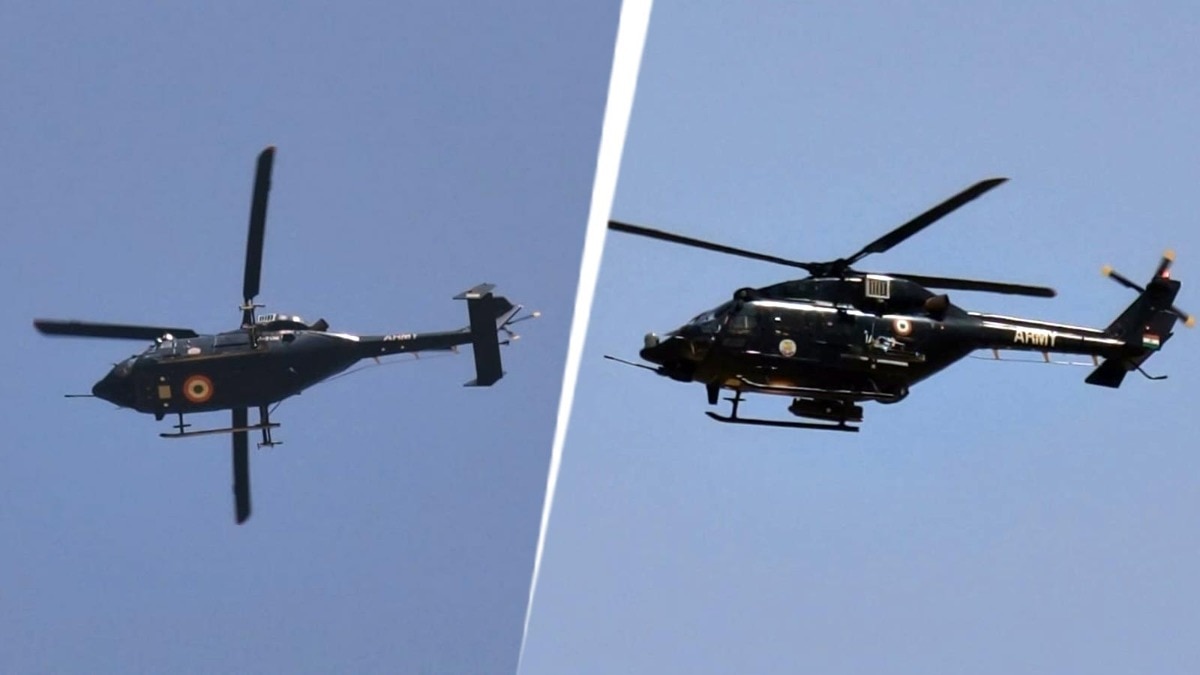
Exercise Jai Se Vijay: Indian Army Uses NH-911 as Temporary Military Runway
What’s the News?
- The Indian Army conducted Exercise Jai Se Vijay near Dantour in Rajasthan, close to the India–Pakistan International Border.
- A strategically important stretch of National Highway-911 (NH-911) was converted into a temporary operating surface for military helicopters.
- Rudra, Dhruv and Chetak helicopters of the Army Aviation Corps carried out precision landings and take-offs from the highway.
- Conducted by the Sapta Shakti Command, the exercise tested operational readiness, rapid mobility and the ability to use alternative aviation sites during contingencies.
- The exercise was held under the theme “Mission Ready, Future Ready.”
Exercise Jai Se Vijay
- Conducted by: Indian Army.
- Command: Sapta Shakti Command, also known as the South Western Command.
- Location: NH-911 near Dantour, Rajasthan.
- Key activity: Highway-based helicopter landing and take-off operations.
- Purpose:
- Validate operations from locations other than conventional airbases and helipads.
- Test coordination between aviation and ground elements.
- Improve rapid deployment and dispersal of aviation assets.
- Demonstrate the military utility of dual-use civilian infrastructure.
Helicopters Used
- Dhruv
- Indigenous Advanced Light Helicopter (ALH).
- Designed and developed by Hindustan Aeronautics Limited (HAL).
- Used for transport, reconnaissance, evacuation and other utility roles.
- Rudra
- Armed and weaponised version of the Dhruv ALH.
- Used for reconnaissance, escort and fire-support missions.
- Chetak
- Based on the French Aérospatiale Alouette III.
- Manufactured in India under licence by HAL.
- Used for light transport, reconnaissance and support operations.
Why Use Highways for Military Aviation?
- Highways can provide alternative operating locations if conventional airfields or helipads are unavailable, damaged or operationally unsuitable.
- Dispersing aircraft across multiple temporary locations reduces dependence on fixed military bases.
- Such infrastructure can assist in:
- Rapid movement of troops and equipment.
- Logistics and supply operations.
- Casualty evacuation.
- Reconnaissance and battlefield support.
- Rapid response during military contingencies.
Additional Info
- Sapta Shakti Command
- Officially the South Western Command of the Indian Army.
- It is one of the Army's operational commands and has responsibilities in India's western sector.
- Army Aviation Corps
- Provides aviation support to land forces.
- Major roles include reconnaissance, troop mobility, logistics, casualty evacuation and combat support.
- International Border vs Line of Control
- The India–Pakistan International Border passes through areas including Gujarat, Rajasthan and Punjab.
- It is distinct from the Line of Control (LoC) in Jammu and Kashmir.
- 2016 Surgical Strikes
- Exercise Jai Se Vijay coincided with the 10th anniversary of India's 2016 surgical strikes across the Line of Control.
- The strikes followed the terrorist attack on the Indian Army base at Uri.
Sources
Green Energy Corridor Phase-III Approved to Integrate 135 GW Renewable Energy
What’s the News?
- The Union Cabinet has approved Green Energy Corridor Phase-III (GEC-III) to strengthen India's Intra-State Transmission System (InSTS) for large-scale renewable energy integration.
- The scheme has a total project outlay of ₹1,86,405 crore and aims to create infrastructure capable of evacuating up to 135 GW of renewable energy.
- It also provides for deployment of 50 GWh of Battery Energy Storage Systems (BESS) to manage renewable-energy intermittency, grid congestion and non-solar-hour demand.
- The scheme is targeted for completion by FY 2032-33 and is linked to India's objective of reaching 900 GW of installed non-fossil capacity by 2035.
Green Energy Corridor Phase-III
- Nodal Ministry: Ministry of New and Renewable Energy (MNRE).
- Renewable-energy evacuation capacity: Up to 135 GW.
- Total outlay: ₹1,86,405 crore.
- Intra-State Transmission Systems: ₹1,36,378 crore.
- 50 GWh BESS: ₹50,000 crore.
- Central Financial Support: ₹54,082 crore.
- Completion target: FY 2032-33.
Battery Energy Storage Systems
- GEC-III provides for 50 GWh of BESS, which may be installed at renewable-energy generation sites or other locations important for grid flexibility.
- BESS can store excess renewable electricity and supply it when generation falls, particularly during non-solar hours.
- It will help address:
- Variability of solar and wind generation.
- Transmission congestion.
- Peak-hour renewable-energy curtailment.
- Grid balancing and frequency management.
- Around ₹6,000 crore of Central support has been earmarked as Viability Gap Funding (VGF) for battery-storage projects.
Implementation Model
- Greenfield InSTS projects: To be implemented through Tariff-Based Competitive Bidding (TBCB).
- Brownfield projects: Existing-network strengthening and upgrades will follow the Cost Plus Basis (CPB).
- State Transmission Utilities (STUs): Overall implementing agencies.
- Transmission Service Providers (TSPs): Will participate in competitively bid projects under the Build-Own-Operate-Maintain (BOOM) model.
Why is GEC-III Needed?
- Solar and wind generation is geographically concentrated and variable in nature, while electricity demand is spread across states and varies throughout the day.
- Transmission constraints can prevent available renewable power from reaching consumers, resulting in renewable-energy curtailment.
- Strengthening intra-state transmission networks is therefore necessary to carry electricity from renewable-energy projects to substations and load centres.
- Combining transmission infrastructure with battery storage enables greater utilisation of renewable generation and improves grid flexibility.
Additional Info
- Green Energy Corridor
- The programme originated from a POWERGRID study in 2012 that identified inadequate transmission infrastructure near major renewable-energy zones.
- Its objective is to build dedicated transmission infrastructure for integrating large-scale solar and wind power into India's electricity grid.
- Implementation of the first phase began in 2015.
- GW vs GWh
- GW (Gigawatt): Unit of power or generating/evacuation capacity.
- GWh (Gigawatt-hour): Unit of energy; in this context, it measures how much electricity battery systems can store.
- Thus, 135 GW refers to renewable-power evacuation capacity, while 50 GWh refers to battery-storage capacity.
- Intra-State Transmission System
- Carries electricity within a State, connecting generating stations and substations with the state's transmission network.
- It differs from the Inter-State Transmission System (ISTS), which transfers electricity across state boundaries.
- Earlier GEC Phases
- GEC Phase-I: Developed transmission infrastructure for renewable-rich states and targeted integration of about 24 GW of renewable capacity.
- GEC Phase-II: Expanded the programme and targeted integration of around 20 GW of renewable generation through intra-state networks.
- GEC-III substantially increases the scale to 135 GW and introduces a major battery-storage component alongside transmission development.
Sources
Flydubai FZ1073 Cockpit Attack Averted; Indian Captain Injured

What’s the News?
- Flydubai Flight FZ1073, operating from Dubai to Tel Aviv, was diverted to Tabuk, Saudi Arabia, after a serious altercation inside the cockpit.
- Indian Captain Smit Machchhar was seriously injured after allegedly being attacked by the co-pilot.
- Despite his injuries, Machchhar managed to open the cockpit door, enabling passengers and other crew members to intervene and restrain the alleged attacker.
- Other qualified pilots travelling on the aircraft subsequently took control and the Boeing 737 MAX 8 landed safely at Tabuk.
- The aircraft was carrying 174 passengers and 8 crew members — 182 people in total.
- Authorities are investigating the motive, including the possibility of terrorist links. The motive has not yet been conclusively established.
How the Crisis Unfolded
- The aircraft was cruising at about 34,000 feet when the cockpit incident occurred.
- Flight-tracking data showed the aircraft descending from around 34,000 feet to 16,600 feet in roughly 90 seconds during the crisis.
- Captain Machchhar, though injured, succeeded in opening the secured cockpit door.
- Passengers and crew entered the cockpit and restrained the alleged attacker.
- A reserve/off-duty pilot took control of the aircraft before its emergency diversion to Saudi Arabia.
Aviation Emergency Codes
During the incident, the aircraft transmitted internationally recognised transponder or “squawk” codes:
- 7500: Unlawful interference, including suspected hijacking.
- 7600: Radio communication failure.
- 7700: General emergency.
FZ1073 initially transmitted 7700, subsequently switched to 7500, and later returned to 7700 before landing.
Investigation
- Saudi Arabia: The aircraft landed at Tabuk, bringing Saudi authorities directly into the investigation.
- United Arab Emirates: The aircraft is UAE-registered, giving Emirati authorities jurisdiction under applicable aviation law.
- UAE authorities have constituted an investigation to determine:
- The circumstances behind the cockpit attack.
- Whether it involved prior planning.
- Whether any terrorist organisation or external actor was involved.
- A senior UAE official subsequently characterised the incident as a “terrorist act”, but the formal investigation into motive remains ongoing.
Captain Smit Machchhar
- Nationality: Indian.
- He suffered serious injuries during the cockpit attack but was later reported to be recovering in the UAE.
- Prime Minister Narendra Modi interacted with Machchhar through a video call and praised his courage and quick decision-making.
- Indian diplomatic missions in Saudi Arabia and the UAE assisted in monitoring his treatment and recovery.
Additional Info
- International Civil Aviation Organization (ICAO)
- Specialised agency of the United Nations.
- Established under the Chicago Convention, 1944.
- Headquarters: Montreal, Canada.
- Develops global standards and recommended practices for international civil aviation.
- Tokyo Convention, 1963
- Deals with offences and certain acts committed on board aircraft.
- Recognises the jurisdiction of the State of registration of the aircraft.
- Hague Convention, 1970
- Formally relates to the suppression of unlawful seizure of aircraft.
- Primarily addresses aircraft hijacking.
- Montreal Convention, 1971
- Deals with unlawful acts against the safety of civil aviation, including violence aboard aircraft and destruction or sabotage of aircraft.
- Aircraft Cockpit Security
- Modern commercial aircraft generally use reinforced and access-controlled cockpit doors to prevent unauthorised entry.
- These measures were significantly strengthened globally following the 9/11 terrorist attacks.
- Flydubai
- Dubai-based airline headquartered in the United Arab Emirates.
- Its main operating hub is Dubai International Airport.
Sources
Switzerland’s Aletsch Glacier Records Its Biggest-Ever Melt

What’s the News?
- Aletsch Glacier, the largest glacier in Switzerland and the Alps, recorded its greatest melt on record in 2026.
- Switzerland’s glaciers collectively lost about 5.5% of their total ice volume, making 2026 the second-worst year for overall glacier mass loss after 2022.
- The Rhône Glacier and Clariden Glacier also recorded their highest-ever annual melt.
- Nearly 20% of Switzerland’s glacier volume has disappeared in just five years, indicating an accelerating decline of Alpine ice.
Aletsch Glacier
- Located in the Bernese Alps of Switzerland.
- It is the largest glacier in the Alps, as well as Switzerland’s largest by area and ice volume.
- It forms part of the Swiss Alps Jungfrau-Aletsch region, a UNESCO World Heritage landscape.
- Its exceptional 2026 melt reflects the wider deterioration of the Alpine cryosphere.
2026 Glacier Loss
- Total Swiss glacier-volume loss: about 5.5%.
- Average reduction in glacier thickness: around 2.5–4 metres.
- Some glacier tongues lost as much as 10 metres of ice.
- Around 2.2 trillion litres of meltwater were released from Swiss glaciers between July and September—more than four times the annual drinking-water consumption of Swiss households.
- Smaller glaciers such as Bella Tola in Valais and Griessfirn in Glarus disappeared completely.
Why Was the Melt So Severe?
- Low winter snowfall: Winter snow accumulation was among the weakest recorded, leaving glaciers with limited protective snow cover.
- Extreme summer heat: Persistent hot and dry conditions accelerated melting between spring and autumn.
- For around 76 days, the freezing level rose above 4,000 metres, more than twice the normal frequency and a Swiss record.
- By September, snow had disappeared even from glacier surfaces at around 3,500 metres elevation.
- Reduced snow cover also lowers surface albedo, causing darker glacier ice to absorb more solar radiation and melt faster.
Why Glacier Loss Matters
- Water security: Alpine glaciers act as natural freshwater reservoirs, supplying meltwater during dry summer periods.
- River flows: Continued glacier shrinkage may initially increase runoff, but progressively reduces the long-term availability of glacier-fed water.
- Natural hazards: Retreating glaciers can destabilise mountain slopes and contribute to formation or expansion of glacial lakes.
- Ecosystems: Changes in water temperature and seasonal river flows affect freshwater and Alpine ecosystems.
- Sea-level rise: Mountain-glacier loss collectively contributes to global sea-level rise.
- Climate indicator: Glaciers respond rapidly to changes in temperature and precipitation, making them important indicators of climate change.
Additional Info
- Glacier Mass Balance
- Difference between the amount of snow and ice a glacier gains through accumulation and loses through melting, sublimation and other processes.
- A persistent negative mass balance results in glacier shrinkage.
- Cryosphere
- Refers to parts of Earth where water exists in frozen form.
- Includes glaciers, ice sheets, snow cover, sea ice and permafrost.
- Albedo Effect
- Fresh snow reflects a high proportion of incoming solar radiation.
- When snow disappears, darker underlying ice absorbs more heat, accelerating melting—a positive feedback mechanism.
- GLAMOS
- Glacier Monitoring in Switzerland is the national glacier-monitoring network.
- It monitors glacier mass balance, length and ice-volume changes using field measurements and remote-sensing data.
- Recent Trend
- Swiss glaciers have experienced several exceptionally severe melt years since 2022.
- The 2026 data reinforce the trend of increasingly frequent extreme glacier-loss years in the Alps.
Sources
October 2026
27 October 202626 October 202624 October 202623 October 202622 October 202621 October 202620 October 202619 October 202617 October 202616 October 202615 October 202614 October 202613 October 202612 October 202610 October 202609 October 202608 October 202607 October 202606 October 202605 October 202603 October 202602 October 202601 October 2026
Archive
October 2026
- 27 October 2026
- 26 October 2026
- 24 October 2026
- 23 October 2026
- 22 October 2026
- 21 October 2026
- 20 October 2026
- 19 October 2026
- 17 October 2026
- 16 October 2026
- 15 October 2026
- 14 October 2026
- 13 October 2026
- 12 October 2026
- 10 October 2026
- 09 October 2026
- 08 October 2026
- 07 October 2026
- 06 October 2026
- 05 October 2026
- 03 October 2026
- 02 October 2026
- 01 October 2026
September 2026
- 30 September 2026
- 29 September 2026
- 28 September 2026
- 26 September 2026
- 25 September 2026
- 24 September 2026
- 23 September 2026
- 22 September 2026
- 21 September 2026
- 19 September 2026
- 18 September 2026
- 17 September 2026
- 16 September 2026
- 15 September 2026
- 12 September 2026
- 11 September 2026
- 10 September 2026
- 09 September 2026
- 08 September 2026
- 07 September 2026
- 05 September 2026
- 04 September 2026
- 03 September 2026
- 02 September 2026
- 01 September 2026
August 2026
- 31 August 2026
- 29 August 2026
- 27 August 2026
- 26 August 2026
- 25 August 2026
- 24 August 2026
- 22 August 2026
- 21 August 2026
- 20 August 2026
- 19 August 2026
- 18 August 2026
- 17 August 2026
- 14 August 2026
- 13 August 2026
- 12 August 2026
- 11 August 2026
- 10 August 2026
- 08 August 2026
- 07 August 2026
- 06 August 2026
- 05 August 2026
- 04 August 2026
- 03 August 2026
- 01 August 2026
July 2026
- 31 July 2026
- 30 July 2026
- 29 July 2026
- 28 July 2026
- 27 July 2026
- 25 July 2026
- 23 July 2026
- 22 July 2026
- 21 July 2026
- 20 July 2026
- 18 July 2026
- 17 July 2026
- 15 July 2026
- 14 July 2026
- 13 July 2026
- 11 July 2026
- 10 July 2026
- 09 July 2026
- 08 July 2026
- 07 July 2026
- 06 July 2026
- 04 July 2026
- 03 July 2026
- 02 July 2026
- 01 July 2026
June 2026
May 2026
April 2026
March 2026
- 31 March 2026
- 30 March 2026
- 28 March 2026
- 27 March 2026
- 26 March 2026
- 25 March 2026
- 24 March 2026
- 23 March 2026
- 21 March 2026
- 20 March 2026
- 19 March 2026
- 18 March 2026
- 17 March 2026
- 16 March 2026
- 14 March 2026
- 13 March 2026
- 12 March 2026
- 11 March 2026
- 10 March 2026
- 09 March 2026
- 07 March 2026
- 06 March 2026
- 05 March 2026
- 03 March 2026
- 02 March 2026
February 2026
- 28 February 2026
- 27 February 2026
- 26 February 2026
- 25 February 2026
- 24 February 2026
- 23 February 2026
- 21 February 2026
- 20 February 2026
- 19 February 2026
- 18 February 2026
- 17 February 2026
- 16 February 2026
- 13 February 2026
- 12 February 2026
- 11 February 2026
- 10 February 2026
- 09 February 2026
- 07 February 2026
- 06 February 2026
- 05 February 2026
- 04 February 2026
- 03 February 2026
- 02 February 2026
January 2026
- 31 January 2026
- 30 January 2026
- 29 January 2026
- 28 January 2026
- 27 January 2026
- 26 January 2026
- 24 January 2026
- 23 January 2026
- 22 January 2026
- 21 January 2026
- 20 January 2026
- 19 January 2026
- 16 January 2026
- 15 January 2026
- 14 January 2026
- 13 January 2026
- 12 January 2026
- 10 January 2026
- 09 January 2026
- 08 January 2026
- 07 January 2026
- 06 January 2026
- 05 January 2026
- 03 January 2026
- 02 January 2026
- 01 January 2026
December 2025
- 31 December 2025
- 30 December 2025
- 29 December 2025
- 27 December 2025
- 26 December 2025
- 24 December 2025
- 23 December 2025
- 22 December 2025
- 20 December 2025
- 19 December 2025
- 18 December 2025
- 17 December 2025
- 16 December 2025
- 15 December 2025
- 13 December 2025
- 12 December 2025
- 11 December 2025
- 10 December 2025
- 09 December 2025
- 08 December 2025
- 05 December 2025
- 04 December 2025
- 03 December 2025
- 02 December 2025
November 2025
- 29 November 2025
- 28 November 2025
- 27 November 2025
- 26 November 2025
- 25 November 2025
- 24 November 2025
- 22 November 2025
- 21 November 2025
- 20 November 2025
- 19 November 2025
- 18 November 2025
- 17 November 2025
- 15 November 2025
- 14 November 2025
- 13 November 2025
- 12 November 2025
- 11 November 2025
- 10 November 2025
- 08 November 2025
- 07 November 2025
- 06 November 2025
- 05 November 2025
- 04 November 2025
- 03 November 2025
- 01 November 2025
October 2025
- 31 October 2025
- 30 October 2025
- 29 October 2025
- 28 October 2025
- 27 October 2025
- 25 October 2025
- 24 October 2025
- 23 October 2025
- 22 October 2025
- 21 October 2025
- 20 October 2025
- 18 October 2025
- 17 October 2025
- 16 October 2025
- 15 October 2025
- 14 October 2025
- 13 October 2025
- 11 October 2025
- 10 October 2025
- 09 October 2025
- 08 October 2025
- 07 October 2025
- 06 October 2025
- 04 October 2025
- 03 October 2025
- 02 October 2025
- 01 October 2025
September 2025
- 30 September 2025
- 29 September 2025
- 27 September 2025
- 26 September 2025
- 25 September 2025
- 24 September 2025
- 23 September 2025
- 22 September 2025
- 20 September 2025
- 19 September 2025
- 18 September 2025
- 17 September 2025
- 16 September 2025
- 15 September 2025
- 13 September 2025
- 12 September 2025
- 11 September 2025
- 10 September 2025
- 09 September 2025
- 08 September 2025
- 06 September 2025
- 05 September 2025
- 04 September 2025
- 03 September 2025
- 02 September 2025
- 01 September 2025
August 2025
- 30 August 2025
- 29 August 2025
- 28 August 2025
- 27 August 2025
- 26 August 2025
- 25 August 2025
- 23 August 2025
- 22 August 2025
- 21 August 2025
- 20 August 2025
- 19 August 2025
- 18 August 2025
- 16 August 2025
- 14 August 2025
- 13 August 2025
- 12 August 2025
- 11 August 2025
- 08 August 2025
- 07 August 2025
- 06 August 2025
- 05 August 2025
- 04 August 2025
- 02 August 2025
- 01 August 2025
July 2025
- 31 July 2025
- 30 July 2025
- 29 July 2025
- 28 July 2025
- 26 July 2025
- 25 July 2025
- 24 July 2025
- 23 July 2025
- 22 July 2025
- 21 July 2025
- 19 July 2025
- 18 July 2025
- 17 July 2025
- 16 July 2025
- 15 July 2025
- 12 July 2025
- 11 July 2025
- 10 July 2025
- 09 July 2025
- 07 July 2025
- 05 July 2025
- 04 July 2025
- 03 July 2025
- 02 July 2025
- 01 July 2025
June 2025
- 30 June 2025
- 28 June 2025
- 27 June 2025
- 26 June 2025
- 25 June 2025
- 24 June 2025
- 23 June 2025
- 21 June 2025
- 20 June 2025
- 19 June 2025
- 18 June 2025
- 17 June 2025
- 16 June 2025
- 14 June 2025
- 13 June 2025
- 12 June 2025
- 11 June 2025
- 10 June 2025
- 09 June 2025
- 07 June 2025
- 06 June 2025
- 05 June 2025
- 04 June 2025
- 03 June 2025
- 02 June 2025
May 2025
April 2025
- 30 April 2025
- 29 April 2025
- 28 April 2025
- 26 April 2025
- 25 April 2025
- 24 April 2025
- 23 April 2025
- 22 April 2025
- 21 April 2025
- 19 April 2025
- 18 April 2025
- 17 April 2025
- 16 April 2025
- 15 April 2025
- 14 April 2025
- 12 April 2025
- 11 April 2025
- 10 April 2025
- 09 April 2025
- 08 April 2025
- 07 April 2025
- 05 April 2025
- 04 April 2025
- 03 April 2025
- 02 April 2025
- 01 April 2025
March 2025
- 31 March 2025
- 29 March 2025
- 28 March 2025
- 27 March 2025
- 26 March 2025
- 25 March 2025
- 24 March 2025
- 22 March 2025
- 21 March 2025
- 20 March 2025
- 19 March 2025
- 18 March 2025
- 17 March 2025
- 15 March 2025
- 13 March 2025
- 12 March 2025
- 11 March 2025
- 10 March 2025
- 08 March 2025
- 07 March 2025
- 06 March 2025
- 05 March 2025
- 04 March 2025
- 03 March 2025
- 01 March 2025
February 2025
- 28 February 2025
- 27 February 2025
- 26 February 2025
- 25 February 2025
- 24 February 2025
- 22 February 2025
- 21 February 2025
- 20 February 2025
- 19 February 2025
- 18 February 2025
- 17 February 2025
- 15 February 2025
- 14 February 2025
- 13 February 2025
- 12 February 2025
- 11 February 2025
- 10 February 2025
- 08 February 2025
- 07 February 2025
- 06 February 2025
- 05 February 2025
- 04 February 2025
- 03 February 2025
- 01 February 2025
January 2025
- 31 January 2025
- 30 January 2025
- 29 January 2025
- 28 January 2025
- 27 January 2025
- 25 January 2025
- 24 January 2025
- 23 January 2025
- 22 January 2025
- 21 January 2025
- 20 January 2025
- 18 January 2025
- 17 January 2025
- 16 January 2025
- 15 January 2025
- 14 January 2025
- 13 January 2025
- 11 January 2025
- 10 January 2025
- 09 January 2025
- 08 January 2025
- 07 January 2025
- 06 January 2025
- 04 January 2025
- 03 January 2025
- 02 January 2025
- 01 January 2025