
Current Affairs
Stay updated with the latest national and international events.
01 June 2026
Northwest Indian Dust Storms: Why Are They Intensifying?
What’s the News?
- A severe dust storm recently engulfed parts of Rajasthan, particularly Churu, causing near-zero visibility and disrupting normal life.
- Experts have linked the increasing frequency and intensity of dust storms in northwestern India to:
- Land degradation and desertification.
- Rising temperatures and prolonged dry spells.
- Weakening ecological protection provided by the Aravalli Range.
- The phenomenon has raised concerns regarding climate resilience, air quality, agriculture, and public health.
Northwest Indian Dust Storms
- Dust storms are common pre-monsoon weather events across:
- Rajasthan
- Haryana
- Punjab
- Delhi-NCR
- Western Uttar Pradesh
How Do Dust Storms Form?
- Strong surface winds lift loose soil and sand particles into the atmosphere.
- Conditions that favour dust storms include:
- High temperatures
- Dry soil conditions
- Sparse vegetation cover
- Thunderstorm-generated gust fronts
Major Dust Sources
- Thar Desert in India.
- Arid regions of Pakistan and Southwest Asia.
- Degraded agricultural and grazing lands in northwestern India.
Role of the Aravalli Range
- The Aravalli Range is one of the world's oldest fold mountain systems.
- It extends from Delhi through Haryana, Rajasthan, and into Gujarat.
- Acts as a natural barrier against:
- Desert expansion.
- Eastward movement of dust from the Thar Desert.
Why is the Protective Shield Weakening?
- Large-scale mining activities.
- Deforestation and loss of vegetation.
- Urban expansion and infrastructure development.
- Fragmentation of hill ranges creating gaps for dust transport.
Impact
- Greater penetration of dust storms into densely populated regions.
- Increased particulate pollution in northern India.
- Reduced agricultural productivity due to soil erosion.
Climate Change Connection
- Rising temperatures increase soil dryness and evaporation.
- Heatwaves create stronger pressure gradients, generating high-speed winds.
- Erratic rainfall reduces soil moisture and vegetation cover.
- Scientific studies indicate that climate variability is making extreme dust events more frequent and intense.
Impacts of Dust Storms
Environmental Impacts
- Soil erosion and loss of fertile topsoil.
- Damage to crops and vegetation.
- Reduced visibility affecting ecosystems and wildlife.
Economic Impacts
- Agricultural losses.
- Disruptions to road, rail, and air transport.
- Damage to infrastructure and power networks.
Health Impacts
- Rise in respiratory illnesses.
- Aggravation of asthma and bronchitis.
- Increased exposure to fine particulate matter (PM10 and PM2.5).
Government Initiatives
National Action Plan on Climate Change (NAPCC)
- Framework for climate adaptation and mitigation.
- Supports sustainable land and water management.
National Mission for Green India
- Focuses on afforestation and ecosystem restoration.
- Enhances carbon sinks and land resilience.
Desertification and Land Degradation Atlas
- Prepared by Indian Space Research Organisation (ISRO).
- Monitors land degradation trends across India.
National Afforestation Programme
- Promotes restoration of degraded forests and wastelands.
Additional Info
Aravalli Range: Key Facts
- One of the oldest geological formations in the world.
- Highest peak: Guru Shikhar (Rajasthan).
- Serves as a crucial ecological barrier against desertification.
- Supports biodiversity, groundwater recharge, and climate regulation.
Desertification in India
- India is a signatory to the United Nations Convention to Combat Desertification (UNCCD).
- India has committed to achieving Land Degradation Neutrality (LDN).
- Land degradation is driven by:
- Water erosion
- Wind erosion
- Mining
- Deforestation
- Unsustainable agricultural practices
Relevant International Framework
- UNCCD
- Global treaty focused on combating desertification and drought.
- Promotes sustainable land management and ecosystem restoration.
Sources
ECLGS 5.0: ₹35,194 Crore Sanctioned for Firms Affected by West Asia Crisis
What’s the News?
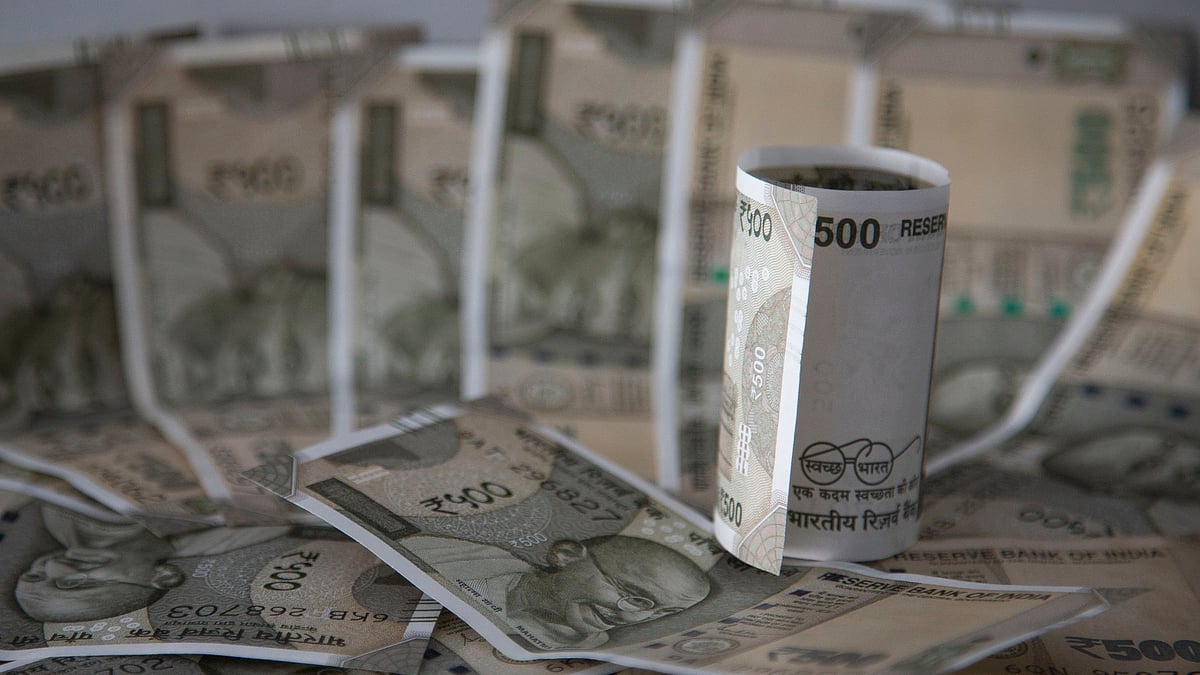
- Banks have sanctioned over ₹35,194 crore under Emergency Credit Line Guarantee Scheme (ECLGS) 5.0.
- The scheme aims to provide additional credit support to MSMEs, airlines, logistics firms, exporters, and other businesses impacted by disruptions arising from the West Asia conflict.
- The initiative seeks to ensure liquidity availability, protect employment, and support economic activity in sectors facing supply-chain and cost pressures.
ECLGS 5.0
- ECLGS 5.0 is a targeted credit guarantee scheme of the Government of India.
- It provides additional working capital and term loans to eligible businesses affected by external economic shocks.
- Loans sanctioned under the scheme are backed by a government guarantee, reducing the lending risk for banks and financial institutions.
Features
- Provides 100% guarantee coverage through the National Credit Guarantee Trustee Company Ltd. (NCGTC).
- Enables faster access to institutional credit without additional collateral requirements.
- Targets sectors adversely affected by disruptions in trade, logistics, fuel prices, and global supply chains.
- Supports business continuity and operational stability.
Why Was ECLGS 5.0 Introduced?
- The West Asia crisis led to:
- Higher transportation and logistics costs.
- Supply-chain disruptions.
- Increased fuel and commodity price volatility.
- Reduced business cash flows in vulnerable sectors.
- The scheme was introduced to:
- Prevent liquidity stress from turning into solvency stress.
- Maintain employment levels.
- Ensure uninterrupted economic activity.
- Strengthen the resilience of MSMEs and service-sector enterprises.
Significance for MSMEs
- MSMEs contribute significantly to:
- Employment generation.
- Exports.
- Manufacturing output.
- Regional economic development.
Expected Benefits
- Improved access to formal credit.
- Reduced risk of business closures.
- Enhanced capacity to manage short-term financial stress.
- Preservation of jobs and productive capacity.
National Credit Guarantee Trustee Company Ltd. (NCGTC)
- A wholly owned company of the Department of Financial Services, Ministry of Finance.
- Acts as the trustee for various credit guarantee schemes of the Government.
- Facilitates credit flow to priority and vulnerable sectors by providing guarantee support to lenders.
Additional Info
Emergency Credit Line Guarantee Scheme (ECLGS)
- Initially launched during the COVID-19 pandemic under the Aatmanirbhar Bharat Package.
- Designed to provide guaranteed emergency credit to businesses facing financial stress.
- Implemented through:
- Scheduled Commercial Banks
- Financial Institutions
- Non-Banking Financial Companies (NBFCs)
Importance of Credit Guarantee Schemes
- Encourage lending to risk-prone sectors.
- Reduce collateral-related barriers.
- Improve financial inclusion of small enterprises.
- Support economic recovery during crises.
Sources
Divyastra Mk-1: Indigenous Loitering Munition Successfully Demonstrated by Indian Army
What’s the News?
- The Indian Army successfully conducted an operational demonstration of Divyastra Mk-1, an indigenous tactical loitering munition developed by Hoverit, a defence technology startup based in Lucknow.
- The trials validated the system's capabilities in Intelligence, Surveillance and Reconnaissance (ISR) missions, precision strikes, rapid deployment, and autonomous operations under harsh field conditions.
- The development marks a significant step towards Aatmanirbhar Bharat and indigenous defence manufacturing.
Divyastra Mk-1
- Divyastra Mk-1 is an AI-enabled tactical loitering munition designed for:
- Intelligence, Surveillance and Reconnaissance (ISR).
- Precision strike missions.
- Target tracking.
- Decoy and swarm operations.
- It combines the capabilities of a drone and a precision-guided weapon by locating, tracking, and striking targets autonomously.
Features
- Operational Range: Up to 500 km.
- Endurance: Up to 5–5.5 hours.
- Attack Speed: Around 300–400 km/h.
- Payload Capacity: Up to 15 kg.
- Indigenous Content: Approximately 95%.
- Launch Platform: Vehicle-mounted mobile launcher.
- Operational Capability: Desert operations in temperatures exceeding 50°C.
What is a Loitering Munition?
- A Loitering Munition (LM) is an unmanned weapon system that:
- Flies over a designated area ("loiters").
- Searches for targets using onboard sensors.
- Strikes the target once identified.
- It combines the functions of:
- Surveillance drones.
- Precision-guided missiles.
Advantages
- Real-time target acquisition.
- High strike accuracy.
- Reduced collateral damage.
- Lower operational cost compared to conventional missiles.
- Capability to engage time-sensitive targets.
AI and Swarm Capabilities
- Equipped with advanced AI-based systems for:
- Autonomous navigation.
- Target recognition.
- Mission planning.
- Coordinated swarm operations.
- Swarm capability enables multiple drones to:
- Share battlefield information.
- Saturate enemy air defences.
- Conduct coordinated attacks.
Significance for India
Defence Modernisation
- Enhances long-range precision strike capability.
- Strengthens tactical battlefield intelligence gathering.
- Supports network-centric warfare concepts.
Aatmanirbhar Bharat in Defence
- Reduces dependence on imported loitering munitions.
- Promotes indigenous defence startups and innovation.
- Expected to be significantly cheaper than comparable foreign systems.
Strategic Importance
- Useful in contested border regions.
- Enhances deep-strike capabilities without risking pilots.
- Improves rapid-response options against high-value targets.
Additional Info
Intelligence, Surveillance and Reconnaissance (ISR)
- Refers to integrated military activities used to:
- Collect information.
- Monitor adversary movements.
- Support operational decision-making.
- ISR assets include:
- Satellites.
- Drones.
- Radar systems.
- Electronic intelligence platforms.
Defence Innovation Initiatives
Innovations for Defence Excellence (iDEX)
- Flagship initiative of the Ministry of Defence.
- Supports startups, MSMEs, innovators, and academia in developing indigenous defence technologies.
Aatmanirbhar Bharat in Defence
-
Focuses on:
- Indigenous design and manufacturing.
- Defence exports.
- Reduction of import dependence.
- Technology self-reliance.
Hoverit
- Indian defence technology startup specializing in:
- Unmanned aerial systems.
- Tactical drones.
- Loitering munitions.
- Autonomous warfare platforms.
Sources
China Achieves First Combined Pig Liver and Kidney Transplant in Human
What’s the News?
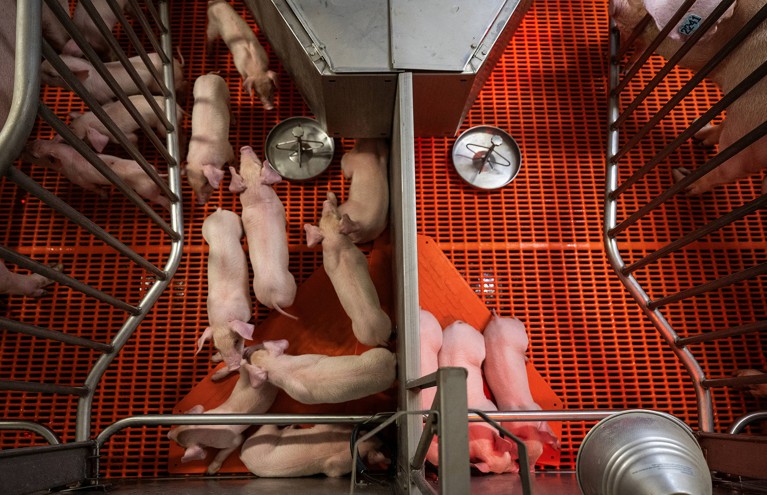
- Chinese surgeons successfully performed the world's first simultaneous transplantation of a pig liver and two pig kidneys into a human recipient.
- The organs were sourced from a genetically modified pig designed to reduce immune rejection.
- The procedure represents a major breakthrough in xenotransplantation and could help address the global shortage of donor organs.
Xenotransplantation
- Xenotransplantation refers to the transplantation of living cells, tissues, or organs from one species to another.
- Pigs are considered the most suitable donor animals because:
- Their organs are similar in size and physiology to human organs.
- They reproduce quickly.
- Genetic modifications can improve compatibility with humans.
Why Are Genetically Modified Pigs Used?
- Pig organs naturally trigger strong immune rejection in humans.
- Scientists use gene-editing technologies such as CRISPR-Cas9 to:
- Remove genes responsible for immune rejection.
- Introduce human-compatible genes.
- Reduce blood clotting complications after transplantation.
- The latest transplant used a six-gene-edited pig with modifications aimed at improving organ acceptance.
Significance of the Breakthrough
Addressing Organ Shortage
- Demand for donor organs far exceeds supply worldwide.
- Thousands of patients die annually while waiting for organ transplants.
- Xenotransplantation could provide a sustainable alternative source of organs.
Multi-Organ Transplant Milestone
- Previous pig-to-human experiments largely involved:
- Hearts
- Kidneys
- Partial liver grafts
- Lungs
- This is the first reported simultaneous transplant of multiple major pig organs into a human recipient, demonstrating the feasibility of multi-organ xenotransplantation.
Challenges in Xenotransplantation
Immune Rejection
- Human immune systems recognize animal organs as foreign.
- Rejection remains the biggest obstacle to long-term transplant success.
Risk of Infections
- Potential transmission of animal pathogens to humans requires strict monitoring.
Ethical Concerns
- Animal welfare considerations.
- Long-term safety and regulatory oversight.
- Public acceptance of animal-to-human organ transplantation.
Long-Term Organ Function
- Scientists are still studying:
- Organ durability.
- Physiological compatibility.
- Long-term survival outcomes.
Recent Advances in Pig-to-Human Transplantation
- Gene-edited pig kidneys have been transplanted into human recipients in both China and the United States.
- China previously demonstrated:
- Pig liver transplantation in a brain-dead recipient.
- Pig liver support in a living patient for an extended period.
- Experimental pig lung transplantation.
- These developments indicate rapid progress in clinical xenotransplantation research.
Additional Info
CRISPR-Cas9
- A genome-editing technology used to:
- Add, remove, or modify specific DNA sequences.
- Create disease-resistant or human-compatible animal organs.
- Widely used in biomedical and genetic research.
Why the Liver Is Difficult to Transplant
- The liver performs over 500 vital functions, including:
- Metabolism.
- Detoxification.
- Protein synthesis.
- Bile production.
- Replicating these functions through xenotransplantation is more challenging than kidney transplantation.
Sources
June 2026
Archive
October 2026
- 28 October 2026
- 27 October 2026
- 26 October 2026
- 24 October 2026
- 23 October 2026
- 22 October 2026
- 21 October 2026
- 20 October 2026
- 19 October 2026
- 17 October 2026
- 16 October 2026
- 15 October 2026
- 14 October 2026
- 13 October 2026
- 12 October 2026
- 10 October 2026
- 09 October 2026
- 08 October 2026
- 07 October 2026
- 06 October 2026
- 05 October 2026
- 03 October 2026
- 02 October 2026
- 01 October 2026
September 2026
- 30 September 2026
- 29 September 2026
- 28 September 2026
- 26 September 2026
- 25 September 2026
- 24 September 2026
- 23 September 2026
- 22 September 2026
- 21 September 2026
- 19 September 2026
- 18 September 2026
- 17 September 2026
- 16 September 2026
- 15 September 2026
- 12 September 2026
- 11 September 2026
- 10 September 2026
- 09 September 2026
- 08 September 2026
- 07 September 2026
- 05 September 2026
- 04 September 2026
- 03 September 2026
- 02 September 2026
- 01 September 2026
August 2026
- 31 August 2026
- 29 August 2026
- 27 August 2026
- 26 August 2026
- 25 August 2026
- 24 August 2026
- 22 August 2026
- 21 August 2026
- 20 August 2026
- 19 August 2026
- 18 August 2026
- 17 August 2026
- 14 August 2026
- 13 August 2026
- 12 August 2026
- 11 August 2026
- 10 August 2026
- 08 August 2026
- 07 August 2026
- 06 August 2026
- 05 August 2026
- 04 August 2026
- 03 August 2026
- 01 August 2026
July 2026
- 31 July 2026
- 30 July 2026
- 29 July 2026
- 28 July 2026
- 27 July 2026
- 25 July 2026
- 23 July 2026
- 22 July 2026
- 21 July 2026
- 20 July 2026
- 18 July 2026
- 17 July 2026
- 15 July 2026
- 14 July 2026
- 13 July 2026
- 11 July 2026
- 10 July 2026
- 09 July 2026
- 08 July 2026
- 07 July 2026
- 06 July 2026
- 04 July 2026
- 03 July 2026
- 02 July 2026
- 01 July 2026
June 2026
May 2026
April 2026
March 2026
- 31 March 2026
- 30 March 2026
- 28 March 2026
- 27 March 2026
- 26 March 2026
- 25 March 2026
- 24 March 2026
- 23 March 2026
- 21 March 2026
- 20 March 2026
- 19 March 2026
- 18 March 2026
- 17 March 2026
- 16 March 2026
- 14 March 2026
- 13 March 2026
- 12 March 2026
- 11 March 2026
- 10 March 2026
- 09 March 2026
- 07 March 2026
- 06 March 2026
- 05 March 2026
- 03 March 2026
- 02 March 2026
February 2026
- 28 February 2026
- 27 February 2026
- 26 February 2026
- 25 February 2026
- 24 February 2026
- 23 February 2026
- 21 February 2026
- 20 February 2026
- 19 February 2026
- 18 February 2026
- 17 February 2026
- 16 February 2026
- 13 February 2026
- 12 February 2026
- 11 February 2026
- 10 February 2026
- 09 February 2026
- 07 February 2026
- 06 February 2026
- 05 February 2026
- 04 February 2026
- 03 February 2026
- 02 February 2026
January 2026
- 31 January 2026
- 30 January 2026
- 29 January 2026
- 28 January 2026
- 27 January 2026
- 26 January 2026
- 24 January 2026
- 23 January 2026
- 22 January 2026
- 21 January 2026
- 20 January 2026
- 19 January 2026
- 16 January 2026
- 15 January 2026
- 14 January 2026
- 13 January 2026
- 12 January 2026
- 10 January 2026
- 09 January 2026
- 08 January 2026
- 07 January 2026
- 06 January 2026
- 05 January 2026
- 03 January 2026
- 02 January 2026
- 01 January 2026
December 2025
- 31 December 2025
- 30 December 2025
- 29 December 2025
- 27 December 2025
- 26 December 2025
- 24 December 2025
- 23 December 2025
- 22 December 2025
- 20 December 2025
- 19 December 2025
- 18 December 2025
- 17 December 2025
- 16 December 2025
- 15 December 2025
- 13 December 2025
- 12 December 2025
- 11 December 2025
- 10 December 2025
- 09 December 2025
- 08 December 2025
- 05 December 2025
- 04 December 2025
- 03 December 2025
- 02 December 2025
November 2025
- 29 November 2025
- 28 November 2025
- 27 November 2025
- 26 November 2025
- 25 November 2025
- 24 November 2025
- 22 November 2025
- 21 November 2025
- 20 November 2025
- 19 November 2025
- 18 November 2025
- 17 November 2025
- 15 November 2025
- 14 November 2025
- 13 November 2025
- 12 November 2025
- 11 November 2025
- 10 November 2025
- 08 November 2025
- 07 November 2025
- 06 November 2025
- 05 November 2025
- 04 November 2025
- 03 November 2025
- 01 November 2025
October 2025
- 31 October 2025
- 30 October 2025
- 29 October 2025
- 28 October 2025
- 27 October 2025
- 25 October 2025
- 24 October 2025
- 23 October 2025
- 22 October 2025
- 21 October 2025
- 20 October 2025
- 18 October 2025
- 17 October 2025
- 16 October 2025
- 15 October 2025
- 14 October 2025
- 13 October 2025
- 11 October 2025
- 10 October 2025
- 09 October 2025
- 08 October 2025
- 07 October 2025
- 06 October 2025
- 04 October 2025
- 03 October 2025
- 02 October 2025
- 01 October 2025
September 2025
- 30 September 2025
- 29 September 2025
- 27 September 2025
- 26 September 2025
- 25 September 2025
- 24 September 2025
- 23 September 2025
- 22 September 2025
- 20 September 2025
- 19 September 2025
- 18 September 2025
- 17 September 2025
- 16 September 2025
- 15 September 2025
- 13 September 2025
- 12 September 2025
- 11 September 2025
- 10 September 2025
- 09 September 2025
- 08 September 2025
- 06 September 2025
- 05 September 2025
- 04 September 2025
- 03 September 2025
- 02 September 2025
- 01 September 2025
August 2025
- 30 August 2025
- 29 August 2025
- 28 August 2025
- 27 August 2025
- 26 August 2025
- 25 August 2025
- 23 August 2025
- 22 August 2025
- 21 August 2025
- 20 August 2025
- 19 August 2025
- 18 August 2025
- 16 August 2025
- 14 August 2025
- 13 August 2025
- 12 August 2025
- 11 August 2025
- 08 August 2025
- 07 August 2025
- 06 August 2025
- 05 August 2025
- 04 August 2025
- 02 August 2025
- 01 August 2025
July 2025
- 31 July 2025
- 30 July 2025
- 29 July 2025
- 28 July 2025
- 26 July 2025
- 25 July 2025
- 24 July 2025
- 23 July 2025
- 22 July 2025
- 21 July 2025
- 19 July 2025
- 18 July 2025
- 17 July 2025
- 16 July 2025
- 15 July 2025
- 12 July 2025
- 11 July 2025
- 10 July 2025
- 09 July 2025
- 07 July 2025
- 05 July 2025
- 04 July 2025
- 03 July 2025
- 02 July 2025
- 01 July 2025
June 2025
- 30 June 2025
- 28 June 2025
- 27 June 2025
- 26 June 2025
- 25 June 2025
- 24 June 2025
- 23 June 2025
- 21 June 2025
- 20 June 2025
- 19 June 2025
- 18 June 2025
- 17 June 2025
- 16 June 2025
- 14 June 2025
- 13 June 2025
- 12 June 2025
- 11 June 2025
- 10 June 2025
- 09 June 2025
- 07 June 2025
- 06 June 2025
- 05 June 2025
- 04 June 2025
- 03 June 2025
- 02 June 2025
May 2025
April 2025
- 30 April 2025
- 29 April 2025
- 28 April 2025
- 26 April 2025
- 25 April 2025
- 24 April 2025
- 23 April 2025
- 22 April 2025
- 21 April 2025
- 19 April 2025
- 18 April 2025
- 17 April 2025
- 16 April 2025
- 15 April 2025
- 14 April 2025
- 12 April 2025
- 11 April 2025
- 10 April 2025
- 09 April 2025
- 08 April 2025
- 07 April 2025
- 05 April 2025
- 04 April 2025
- 03 April 2025
- 02 April 2025
- 01 April 2025
March 2025
- 31 March 2025
- 29 March 2025
- 28 March 2025
- 27 March 2025
- 26 March 2025
- 25 March 2025
- 24 March 2025
- 22 March 2025
- 21 March 2025
- 20 March 2025
- 19 March 2025
- 18 March 2025
- 17 March 2025
- 15 March 2025
- 13 March 2025
- 12 March 2025
- 11 March 2025
- 10 March 2025
- 08 March 2025
- 07 March 2025
- 06 March 2025
- 05 March 2025
- 04 March 2025
- 03 March 2025
- 01 March 2025
February 2025
- 28 February 2025
- 27 February 2025
- 26 February 2025
- 25 February 2025
- 24 February 2025
- 22 February 2025
- 21 February 2025
- 20 February 2025
- 19 February 2025
- 18 February 2025
- 17 February 2025
- 15 February 2025
- 14 February 2025
- 13 February 2025
- 12 February 2025
- 11 February 2025
- 10 February 2025
- 08 February 2025
- 07 February 2025
- 06 February 2025
- 05 February 2025
- 04 February 2025
- 03 February 2025
- 01 February 2025
January 2025
- 31 January 2025
- 30 January 2025
- 29 January 2025
- 28 January 2025
- 27 January 2025
- 25 January 2025
- 24 January 2025
- 23 January 2025
- 22 January 2025
- 21 January 2025
- 20 January 2025
- 18 January 2025
- 17 January 2025
- 16 January 2025
- 15 January 2025
- 14 January 2025
- 13 January 2025
- 11 January 2025
- 10 January 2025
- 09 January 2025
- 08 January 2025
- 07 January 2025
- 06 January 2025
- 04 January 2025
- 03 January 2025
- 02 January 2025
- 01 January 2025