
Study OAS ·
Two-Slab GST Reform Proposed
What’s the News?
- The Centre has proposed a two-tier Goods and Services Tax (GST) system, replacing the current four tax slabs (5%, 12%, 18%, 28%) with just two: a standard slab and a merit slab.
- A Group of Ministers (GoM) is reviewing this recommendation as part of “next-generation GST reforms” promised before Diwali 2025.
- Objectives include reducing complexity, giving tax relief to the common man, and boosting small businesses. Essential goods would fall under the lower “merit” slab to enhance affordability for women, farmers, students and lower-income groups.
- The proposal retains special rates for a few select items but aims to eliminate many inverted duty structures (cases where input tax > output tax) to encourage domestic manufacturing.
- Fiscal context: With the compensation cess ended, GST collections in 2024-25 reached a record ₹22.08 lakh crore (up 9.4%). Simplifying GST is expected to maintain revenue while supporting economic growth.
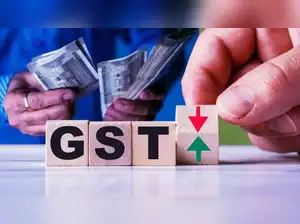
GST Reform Details
- Tax Slabs: Under the plan, the standard slab would cover most goods and services, while the merit slab applies to essentials and socially important items. This dual-slab approach seeks to eliminate most special rates and confusion over classification.
- Affordability & Demand: Lower taxes on everyday items aim to boost consumption and lower costs for households. The reform targets inclusivity by reducing the tax burden on essentials, which could stimulate demand and support sectors like agriculture and basic manufacturing.
- Inverted Duty Correction: By aligning input and output tax rates, the reform would reduce the buildup of input tax credits. Manufacturers currently burdened with excess input taxes would benefit, improving cash flow and encouraging ‘Make in India’ initiatives.
- Compliance and Tech: The plan envisions tech-driven GST processes – simplified registration, pre-filled returns, faster automated refunds (especially for exporters and those affected by inverted duties). Clear, stable rates and policies are expected to cut litigation and build business confidence.
- Long-Term Outlook: The government aims to provide stable, predictable tax rates and reduce frequent rate changes. This stability, along with the broader formal economy growth, should help sustain or even increase revenue post-simplification.
Economic Significance
- Simplifying GST to two slabs will likely make compliance easier for businesses and reduce tax disputes, addressing a long-standing demand of industry. Predictable rates enhance the ease of doing business.
- The shift towards a merit slab for essentials can lower the cost of living for many citizens, aiding those on lower incomes. This could have a stimulative effect on the economy.
- Eliminating inverted duty structures supports domestic manufacturing by reducing the tax burden on inputs. This aligns with India’s push for Atmanirbhar Bharat (self-reliant economy).
- Fiscal impact: With higher tax buoyancy from formalisation, the government can afford lower rates on essentials without major revenue loss. The reform may complement other fiscal policies to sustain growth.
Additional Info:
- GST in India was introduced in 2017 (Article 279A mandates a Council).
- The original four-slab structure was criticized for complexity. Frequent updates and exceptions have led to many cases of tax credits piling up.
- A two-slab system has been recommended by various committees and is a key reform promised in the 2024 Budget.
- The GoM includes Union and state finance ministers who must agree to change GST law and rates.