
Study OAS ·
RBI Microsite on Indian Banknotes
What’s the News?
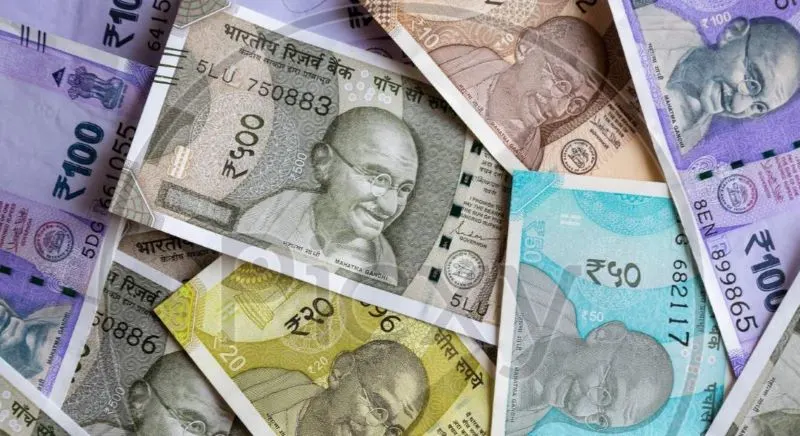
- The Reserve Bank of India (RBI) has launched a microsite dedicated to Indian banknotes. It provides information on design, security features, and exchange rules.
- The site includes a 360-degree view of banknotes, interactive tools, multimedia content, and a section on how to exchange old, damaged or withdrawn notes.
Microsite Features & Objectives
- Interactive Learning:
- 360-degree view for detailed examination of banknote design and security elements.
- Multimedia tools (videos, animations, audio) to explain security features like watermarks, security threads, and color-shifting inks.
- Games and quizzes to engage students and the public in learning about currency authenticity.
- Exchange Guidelines:
- Dedicated section on procedures for exchanging old, damaged, or withdrawn notes at banks and RBI counters.
- Accessibility:
- User-friendly navigation catering to all age groups, including students, educators, and businesses.
Additional Info
- Reserve Bank of India (RBI):
- Established on April 1, 1935, under the Reserve Bank of India Act, 1934.
- It is the central bank of India and is fully owned by the Government of India.
- Core Functions:
- Monetary Authority: Formulates, implements, and monitors the monetary policy.
- Issuer of Currency: Manages the issue and supply of currency in the country. This includes the issuance of new notes and the withdrawal of notes unfit for circulation.
- Banker to Government: Conducts merchant banking functions for both the Central and State Governments.
- Regulator and Supervisor: Regulates and supervises the financial system.
- Indian Banknotes:
- All banknotes in India, except the ₹1 note, are issued by the RBI. The ₹1 note is issued by the Government of India and bears the signature of the Finance Secretary.
- Indian banknotes feature the portrait of Mahatma Gandhi, part of the Mahatma Gandhi (New) Series which includes denominations from ₹10 to ₹2000. Each note in this series has a distinct motif on its reverse side, such as the Konark Sun Temple on the ₹10 note and Mangalyaan on the ₹2000 note.
- Counterfeiting and Legal Framework:
- The printing and possession of counterfeit currency are serious offenses under Section 489A-489E of the Indian Penal Code.
- RBI's Department of Currency Management (DCM) is responsible for administering the functions related to currency management and combating counterfeit currency.