
Study OAS ·
Parsi New Year (Navroz) Observed
What’s the News?
- The Parsi community celebrated Navroz (Parsi New Year) on August 15, 2025. In India, Navroz falls later than in Iran due to the Parsis’ use of the Shahenshahi calendar. This year’s observance coincided with Independence Day.
- The festival theme is the “Four Fs”: Fire, Fragrance, Food, and Friendship. These elements guide the day’s rituals and feasting.
- Traditions include cleaning and decorating homes, wearing traditional attire, and visiting the fire temple (Agiary) to offer milk, fruits and incense to the sacred fire. Prayers focus on good health, prosperity, and forgiveness of past wrongs.
- Parsis prepare special meals featuring dishes like patrani macchi, dhansak, sev, lagan nu custard, etc., emphasizing community and celebration. Families and communities also exchange gifts and visit each other in the spirit of camaraderie and renewal.
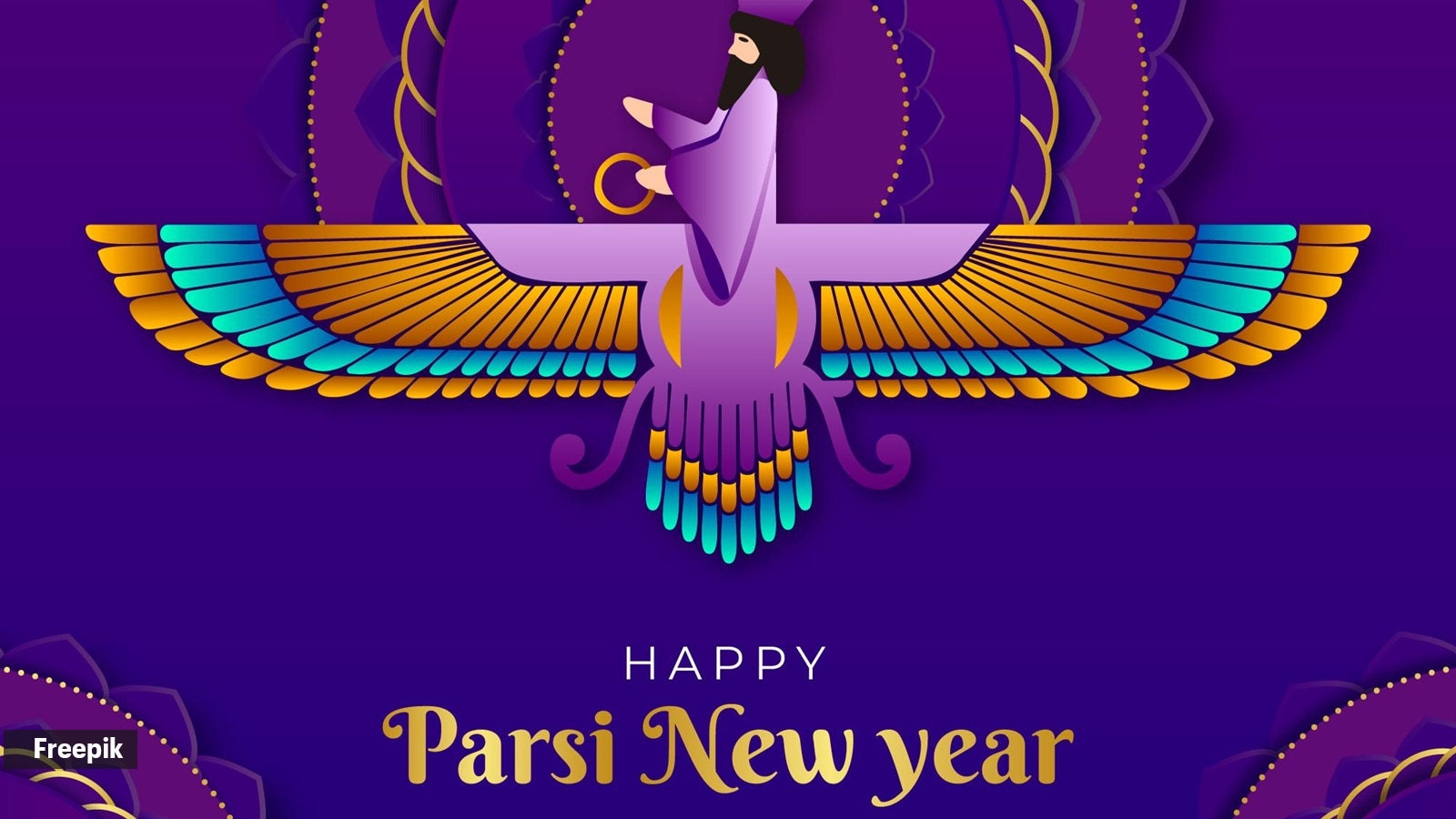
History and Cultural Significance
- Navroz (literally “new day” in Persian) has its roots in Zoroastrianism, one of the world’s oldest monotheistic religions founded by Prophet Zarathushtra over 3,500 years ago. It was the official calendar New Year in ancient Persia (until the 7th century).
- When Islamic invasions swept Persia, many Zoroastrians (now called Parsis) migrated to India, carrying the Navroz tradition with them. Because the Parsi Shahenshahi calendar ignores leap years, Navroz in India shifts each year by ~5 days; hence it fell in mid-August in 2025.
- Symbolically, fire (a sacred element in Zoroastrianism) plays a central role. Parsis believe tending to the fire temple cleanses evil. Chanting of ancient prayers and acts of charity on Navroz reinforce values of renewal and community service.
- Cultural Diversity: Navroz is a national marker of India’s pluralism. Though Parsis are a small minority (~57,000 as per 2011 Census), their distinct customs (Navroz, Navjote, etc.) and contributions to Indian society (industry, arts, philanthropy) are celebrated. Government and media occasionally acknowledge Navroz in cultural segments.
Additional Info:
- Parsi New Year is sometimes confused with Iranian Nowruz (celebrated on March 21 globally). However, due to calendar differences, Parsis in India celebrate it in August.
- The Indian Constitution recognizes minority rights (Article 30), under which Zoroastrians maintain their cultural practices.
- Navroz emphasizes themes of renewal, gratitude, and harmony—common to many harvest and new-year festivals worldwide.