
Study OAS ·
Kharif Sowing Area Rises Amid Favourable Monsoon
What’s the News?
- Total kharif season sowing area in India has expanded by about 26.9 lakh hectares, reaching 1,105.42 lakh hectares, up from 1,078.49 lakh hectares in the previous year.
- Growth observed across key crops: rice, pulses, coarse cereals, and sugarcane.
- Contributory factors: enhanced monsoon coverage in unirrigated regions and higher MSPs for 14 kharif crops.
Kharif Progress Overview
- Key Performers:
- Rice: Sown area rose by ~19.6 lakh ha to 438.28 lakh ha, from 418.66 lakh ha.
- Pulses (e.g., urad and moong): Increased to 116.40 lakh ha from 114.46 lakh ha.
- Coarse cereals/millets (jowar, bajra, ragi): Added ~12.09 lakh ha, totaling 191.71 lakh ha.
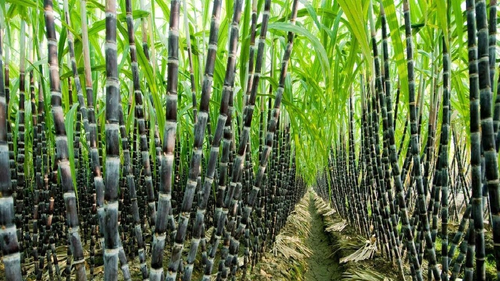
- Sugarcane: Expanded by ~1.64 lakh ha to 57.31 lakh ha.
- Declining Crops:
- Oilseeds: Overall 3% decline, with soybean acreage dropping by 4.77 lakh hectares due to shifts to maize.
- Cotton: Acreage fell by 3% (108.47 lakh hectares) due to high input costs and pest challenges.
- Regional Variations: Central and western India led the sowing surge, while eastern states lagged due to rainfall deficits.
Additional Info
- Kharif Season:
- The Kharif season is one of the three main cropping seasons in India, alongside Rabi and Zaid.
- Etymology: The word "Kharif" is Arabic for "autumn."
- Sowing: Occurs with the onset of the Southwest monsoon, typically from June to July.
- Harvesting: Takes place from September to October.
- Major Crops: Includes rice, maize, millet, ragi, pulses (like urad and moong), soybean, and cotton.
- Ministry of Agriculture and Farmers' Welfare:
- An apex body under the Government of India responsible for the formulation and administration of rules and regulations related to agriculture.
- It was established in 1947 and was renamed from the Ministry of Agriculture to the Ministry of Agriculture and Farmers' Welfare on August 15, 2015.
- Minimum Support Price (MSP):
- The Cabinet Committee on Economic Affairs (CCEA) approved an increase in the MSP for 14 Kharif crops for the marketing season 2025-26.
- The highest increase was recommended for Nigerseed, followed by Ragi and Cotton, to ensure remunerative prices for farmers and incentivize production.