
Study OAS ·
International Labour Day: History, Significance, and India
What is it?
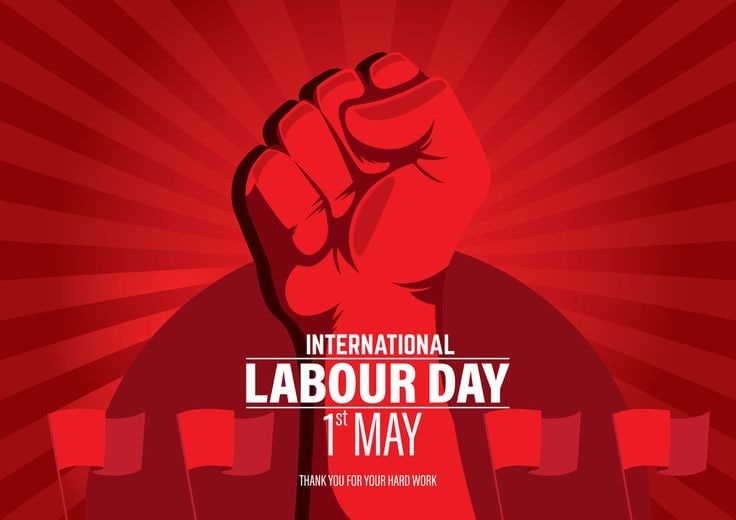
International Labour Day, also known as May Day or International Workers' Day, is celebrated globally on May 1st every year.
- Purpose: The day honours the contributions of the working class and promotes their rights. It serves as a reminder of the historical struggles workers faced to secure better working conditions, fair wages, and social justice.
- It's a platform to raise awareness about ongoing labour issues and advocate for workers' welfare.
Historical Background:
- Origins: The day traces its roots back to the 19th-century labour union movement in the United States. During industrialisation, workers often faced harsh conditions, including working up to 15 hours a day.
- The 8-Hour Day Movement: Workers began demanding an eight-hour workday. A major turning point was a nationwide strike that began on May 1, 1886, in the US.
- Haymarket Affair (Chicago, 1886): A peaceful rally in Chicago's Haymarket Square on May 4, 1886, held in support of the 8-hour day strike, turned violent when a bomb was thrown at the police. This tragic event, which led to deaths on both sides, became a powerful symbol of the workers' rights struggle.
- Formal Recognition: In 1889, the Second International, a global federation of socialist and labour parties, declared May 1st as International Workers' Day to commemorate the Haymarket Affair1 and support the struggle for workers' rights, particularly the eight-hour workday.
International Labour Day in India:
- First Celebration: India observed its first Labour Day (May Day) on May 1, 1923, in Chennai (then Madras).
- Key Organiser: The celebration was organised by Malayapuram Singaravelu Chettiar, a prominent communist and labour leader, under the banner of the Labour Kisan Party of Hindustan.
- First Use of Red Flag: This event also marked the first time the red flag, a symbol associated with the labour movement, was used in India.
- Holiday Status: May 1st is a public holiday in many Indian states and for various services like banks, government offices, and schools in those regions. It coincides with Maharashtra Day and Gujarat Day.
- Regional Names: In India, it's also known by various names like Kamgar Din (Hindi), Kamgar Divas (Marathi), Thozhilali Dinam (Malayalam), Uzhaipalar Dhinam (Tamil), and Shromik Dibosh (Bengali).
Key Facts:
- Date: May 1st
- Origin Event: Commemorates the Haymarket Affair (Chicago, 1886) and the struggle for an 8-hour workday.
- First Indian Celebration: May 1, 1923, in Chennai by the Labour Kisan Party of Hindustan led by M. Singaravelu Chettiar.
- Global Observance: Celebrated in over 80 countries (though the US and Canada observe Labour Day in September).
- Core Issues: Workers' rights, fair wages, safe conditions, social justice.