
Study OAS ·
Generic Semaglutide Boom
What's the News?
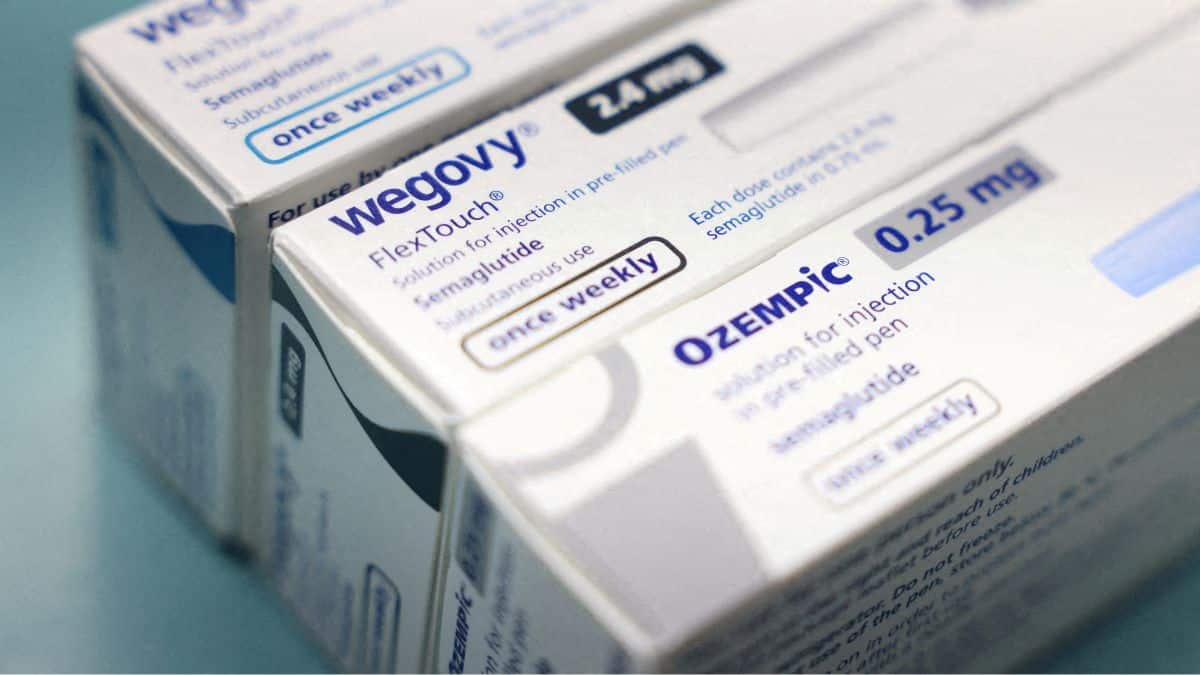
- Semaglutide patents held by Novo Nordisk have expired in India, enabling local pharmaceutical companies to launch generic versions of the popular weight-loss and diabetes drug Ozempic .
- Over 50 branded generic versions are expected to enter the Indian market, with prices dropping by up to 88% compared to the original brand .
- Generic semaglutide is now available at approximately ₹1,290–₹5,000 per month, down from ₹15,000–₹20,000 for the branded version .
- The Central Drugs Standard Control Organisation (CDSCO) has tightened surveillance amid concerns over misuse, unauthorized sales, and off-label consumption .
Patent Expiry & Market Impact
- Patent Expiry Date: Semaglutide composition and delivery patents expired in March 2026 in India .
- Price Reduction: Generic versions are priced 50–90% lower than Novo Nordisk's branded Ozempic .
- Market Size: The GLP-1 drug segment in India has crossed ₹1,000 crore, reflecting growing demand .
- Key Players: Over 40 Indian pharmaceutical companies including Dr. Reddy's, Natco Pharma are launching generic semaglutide .
Healthcare System Response?
-
Expanded care infrastructure: Major hospital chains like Apollo Hospitals and Fortis Healthcare are scaling up obesity management clinics with multidisciplinary teams (physicians, dietitians, fitness trainers).
-
Integrated service models: Healthcare providers are bundling drugs with diagnostics, dietary counselling, and follow-up care.
- Diagnostic platforms like Tata 1MG are rolling out discounted health check-up packages.
- Digital health platforms and online pharmacies are facilitating home delivery after e-consultations.
-
Patient support programs: Companies like Dr. Reddy’s are collaborating with hospitals to launch support programs alongside their generic launches, while Cipla is working with clinics in smaller towns for distribution.
Regulatory & Quality Concerns?
- Misuse and oversight risks: Experts warn that falling prices and multiple brands could lead to:
- Direct pharmacy purchases without valid prescriptions.
- Cosmetic or lifestyle use, especially in urban areas.
- Improper dosing and unmanaged side effects.
- Regulatory response: India’s drug regulator has banned advertising and promotional activities related to weight-loss programmes, including social media endorsements and corporate campaigns.
- Manufacturing complexities: Semaglutide is a complex peptide requiring:
- Precise manufacturing processes with stringent quality controls.
- Continuous cold-chain storage (2°C to 8°C) to maintain stability and efficacy.
- High standards for delivery devices like pre-filled injection pens.
Additional Info
- What are GLP-1 Drugs?
- Glucagon-Like Peptide-1 (GLP-1) receptor agonists mimic hormones that regulate blood sugar and appetite.
- Originally developed for Type-2 Diabetes, now widely used for obesity management.
- Works by slowing gastric emptying and reducing hunger signals to the brain.
- Relevant Regulatory Framework:
- Drugs and Cosmetics Act, 1940: Governs drug approval and prescription requirements in India.
- CDSCO: Central authority for drug approval, quality control, and pharmacovigilance.
- Pharmacovigilance Programme of India (PvPI): Monitors adverse drug reactions; currently lacks robust GLP-1 specific surveillance .
- Obesity Burden in India:
- India has one of the fastest-growing obesity rates globally, with significant urban-rural divide.
- Obesity linked to rising diabetes, cardiovascular diseases, and metabolic syndrome.
- Government initiatives like Fit India Movement and National Programme for Prevention and Control of Cancer, Diabetes, CVD and Stroke (NPCDCS) address lifestyle-related conditions.
This topic is crucial for UPSC, State PSC, SSC, State SSC and Banking exams under Health, Economy, and Governance sections. Focus on patent expiry implications, drug pricing policies, CDSCO regulations, and obesity-related public health challenges for mains answers and interview discussions.