
Study OAS ·
Energy Statistics India 2026
What's the News?
- The Ministry of Statistics and Programme Implementation (MoSPI) has released the 33rd Edition of Energy Statistics India 2026 .
- The report highlights a significant surge in renewable energy capacity while coal continues to dominate India's energy mix .
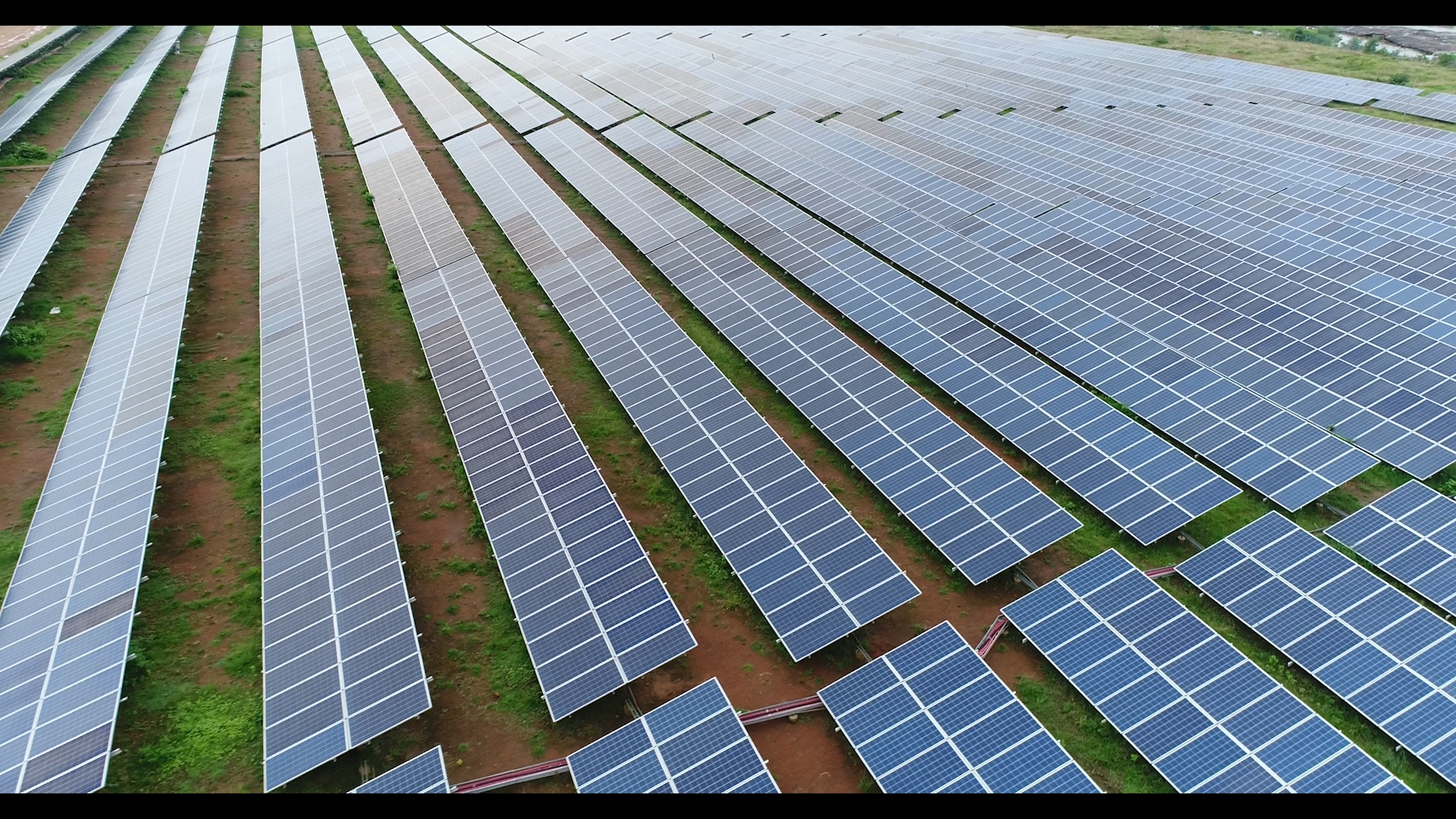
- Renewable energy potential reached 47,04,043 Megawatt as of March 2025, with solar accounting for nearly 71% share .
- Installed renewable capacity grew from 90,134 MW (2016) to 2,29,346 MW (2025), registering a CAGR of 10.93% .
- Despite renewable growth, coal supply increased from 3,87,761 KToe (FY 2015-16) to 5,52,315 KToe .
Renewable Energy: Rapid Expansion
- Total Renewable Potential: India’s total renewable energy (RE) potential reached 47,04,043 MW as of March 2025.
- Solar Energy holds the highest share at approximately 71%, with potential surging to 33,43,378 MW.
- Wind Energy follows with 11,63,856 MW.
- Geographical Concentration: Over 70% of RE potential is concentrated in six states: Rajasthan, Maharashtra, Gujarat, Andhra Pradesh, Karnataka, and Madhya Pradesh.
- Installed Capacity & Generation:
- Installed RE capacity grew from 90,134 MW (2016) to 2,29,346 MW (2025) , registering a CAGR of 10.93%.
- Gross electricity generation from renewables reached 4,16,823 GWh in FY 2024-25, more than doubling from 1,89,314 GWh in FY 2015-16.
Consumption & Efficiency Gains
- Rising Consumption: Per-capita energy consumption rose from 15,296 MJ in FY 2015-16 to 18,096 MJ in FY 2024-25.
- Improved Efficiency: Transmission and Distribution (T&D) losses were reduced from 22% in FY 2015-16 to 17% in FY 2024-25, indicating better grid management.
Fossil Fuel Dominance
- Despite renewable growth, coal remains the primary energy source, with its supply increasing to 5,52,315 KTOE in FY 2024-25.
- This persistent reliance on coal presents a significant challenge to India’s long-term net-zero transition goals.
Financial & Data Improvements
- Increased Investment: Credit flow to the energy sector increased over sixfold, rising from ₹1,688 crore in 2021 to ₹10,325 crore in 2025, signaling high investor confidence.
- Enhanced Data Scope: The 2026 edition includes new datasets such as credit flow analysis, industry-wise electricity consumption, and international marine bunkers data, enabling more accurate policy-making.
This topic is crucial for UPSC, State PSC, SSC, State SSC and Banking exams under Economy, Environment, Geography, and Current Affairs sections. Focus on energy security, renewable energy transition, coal dependency challenges, government initiatives for clean energy, and India's climate commitments for mains answers and interview discussions.