Study OAS ·
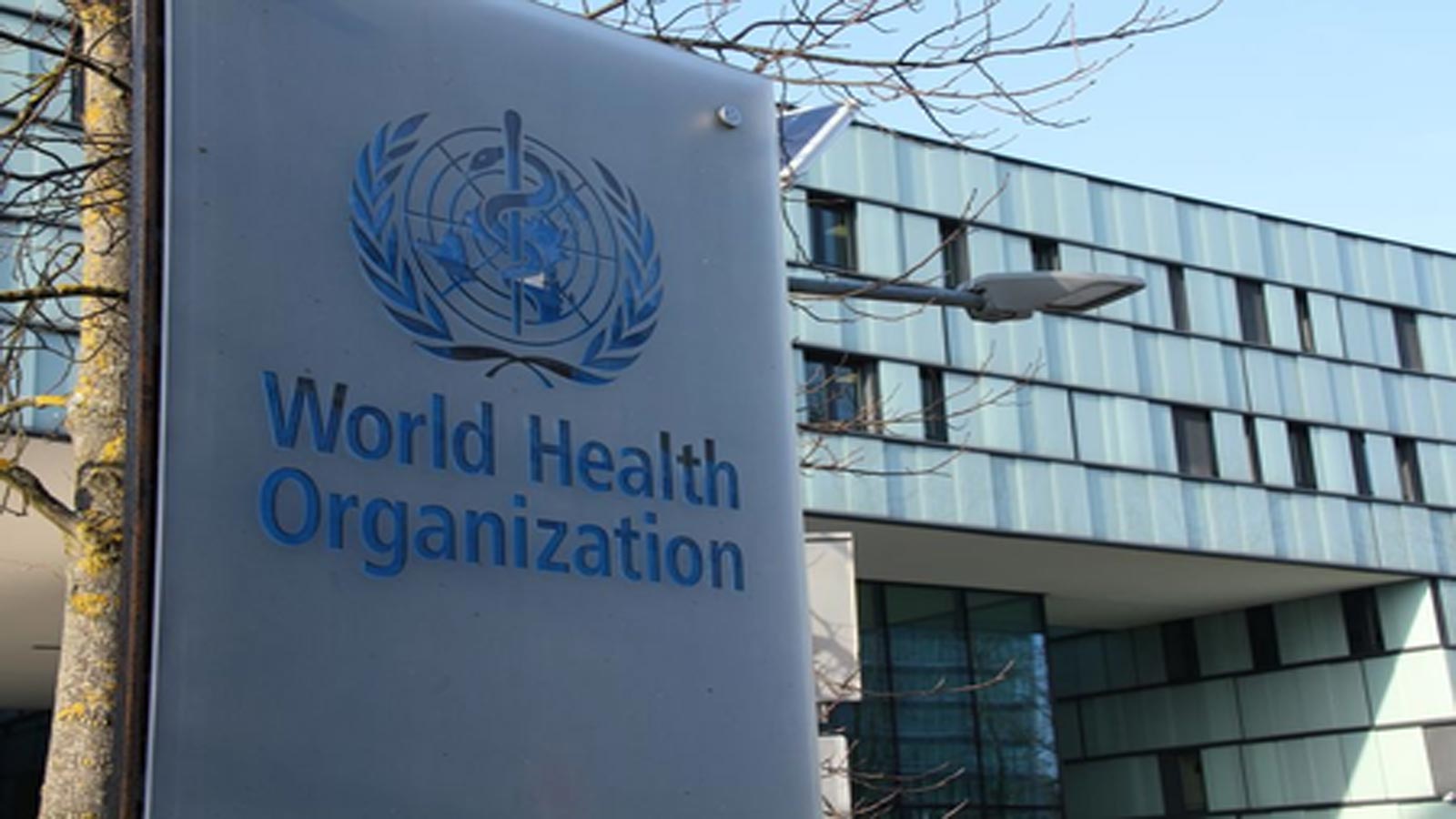
Argentina Formally Withdraws from World Health Organization
What’s the News?
The Government of Argentina has submitted a formal letter of withdrawal from the World Health Organization (WHO) , initiating a one-year notice period mandated by the WHO Constitution. This decision makes Argentina the first Latin American nation and one of the few G20 members to unilaterally sever institutional ties with the global health body since its inception in 1948.
Reasons Cited for Withdrawal
- Sovereignty and Bureaucracy: The Argentine administration, led by President Javier Milei, has framed the withdrawal as an assertion of national sovereignty. Officials argued that the WHO imposes "supranational mandates" that infringe upon domestic policy-making, particularly regarding sanitary lockdowns and travel restrictions.
- Critique of Pandemic Response: The primary grievance stems from the WHO's management of the COVID-19 pandemic. Argentina cited what it perceives as a "lack of independence" from the political influence of specific member states and a failure to ensure timely, transparent information sharing regarding the virus's origins and early transmission.
- Cost-Benefit Analysis: The government highlighted the disparity between mandatory membership dues (assessed contributions) and the actual utility derived. It stated that the financial resources would be redirected to domestic health infrastructure and direct procurement of medical supplies.
Implications for Argentina and Global Health Governance
- Impact on Vaccine Access and Procurement:
- Argentina will lose access to the Pan American Health Organization (PAHO) Revolving Fund, a collective procurement mechanism that allows Latin American nations to purchase vaccines at significantly reduced bulk rates.
- This could increase the fiscal burden on Argentina's national immunization program, which relies heavily on PAHO for pediatric vaccines and influenza shots.
- Loss of Technical and Surveillance Cooperation:
- Withdrawal severs access to the Global Outbreak Alert and Response Network (GOARN) , limiting Argentina's real-time intelligence on emerging pathogens in the region.
- It also halts participation in WHO's Prequalification Programme, which is critical for ensuring the quality of generic medicines and medical devices imported into the country.
- Geopolitical Ripple Effects:
- The move adds momentum to ongoing global debates regarding WHO reform and the Pandemic Accord negotiations.
- It follows a pattern set by the United States (which announced withdrawal in 2020 before rejoining in 2021), potentially encouraging other skeptical nations in the Global South to reconsider their treaty obligations.
Additional Info
- Legal Framework for Withdrawal:
- WHO Constitution (Article 7): A member state may withdraw by providing a formal notice to the Secretary-General of the United Nations and the WHO Director-General. The withdrawal takes effect one year after the notice is received.
- Condition: The member state must have fulfilled all financial obligations (outstanding dues) to the organization prior to the effective date of withdrawal.
- Role of PAHO:
- Pan American Health Organization (PAHO) serves as the Regional Office for the Americas of the WHO.
- It is an independent inter-American agency with a separate constitution. Argentina's withdrawal from WHO complicates but does not automatically terminate its relationship with PAHO, though legal and financial integration between the two bodies is extensive.
- India's Position:
- India is a founding member of WHO and the WHO South-East Asia Region (SEARO) .
- India has consistently advocated for equitable vaccine distribution (COVAX) and reformed global health architecture with a focus on traditional medicine (WHO Global Centre for Traditional Medicine in Jamnagar, Gujarat).