
Animal Farm – George Orwell
Book Summary

Detailed Description of the Book
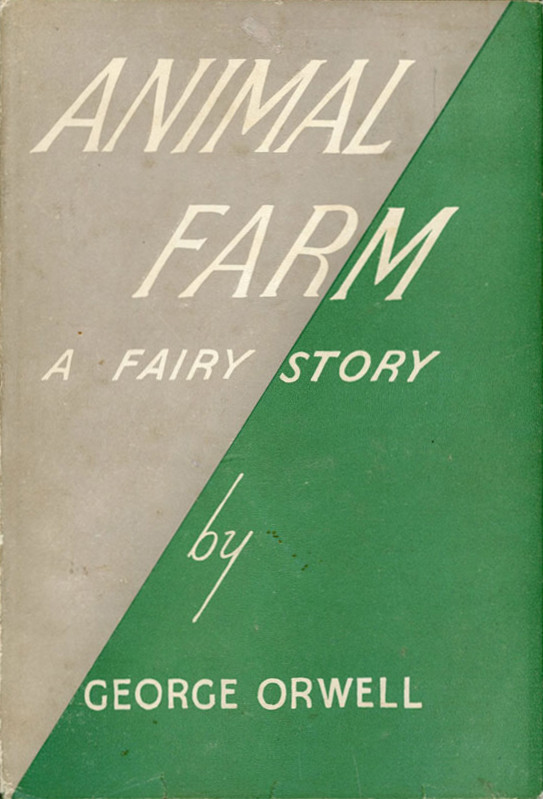
Animal Farm is a political allegorical novella that uses a simple story of animals overthrowing their human owner to expose how revolutions are betrayed, how power corrupts ideals, and how authoritarianism emerges in the name of equality. Though written as a satire on the Russian Revolution and Stalinism, Orwell deliberately keeps the narrative universal, making it applicable to any political system where power becomes concentrated and unchecked.
The book traces three clear phases:
-
Idealistic revolution driven by equality and justice
-
Consolidation of power by a small elite using fear, propaganda, and manipulation
-
Total degeneration, where rulers become indistinguishable from the oppressors they replaced
For OPSC (and UPSC), Animal Farm is exceptionally valuable because it helps explain:
-
How institutions decay when accountability is absent
-
How slogans replace substance
-
How propaganda reshapes truth
-
How citizens lose agency through ignorance and fear
-
Why constitutional safeguards, transparency, and vigilance are essential
The following extracts may be used in OPSC answer writing:
“All animals are equal, but some animals are more equal than others.”→ GS-2 Polity / Essay: Hypocrisy of power, erosion of equality, elite capture of institutions
“Power tends to corrupt, and absolute power corrupts absolutely.” (Idea reflected throughout the book)→ GS-4 Ethics: Need for checks and balances, institutional accountability
Book Summary PDF:
No PDF available
← Back to Book Summaries